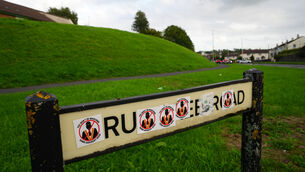
How much will you really save when buying booze across the border?
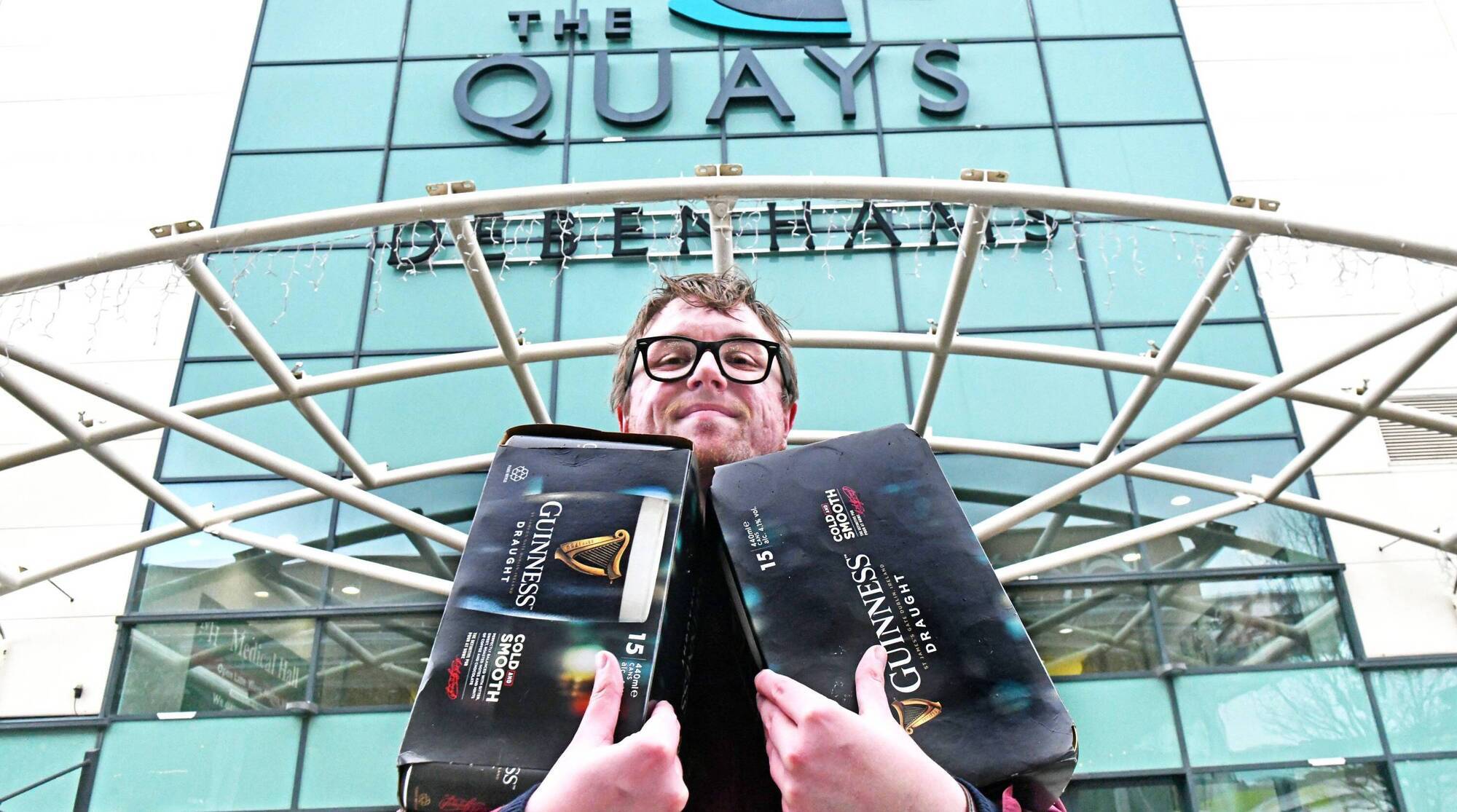
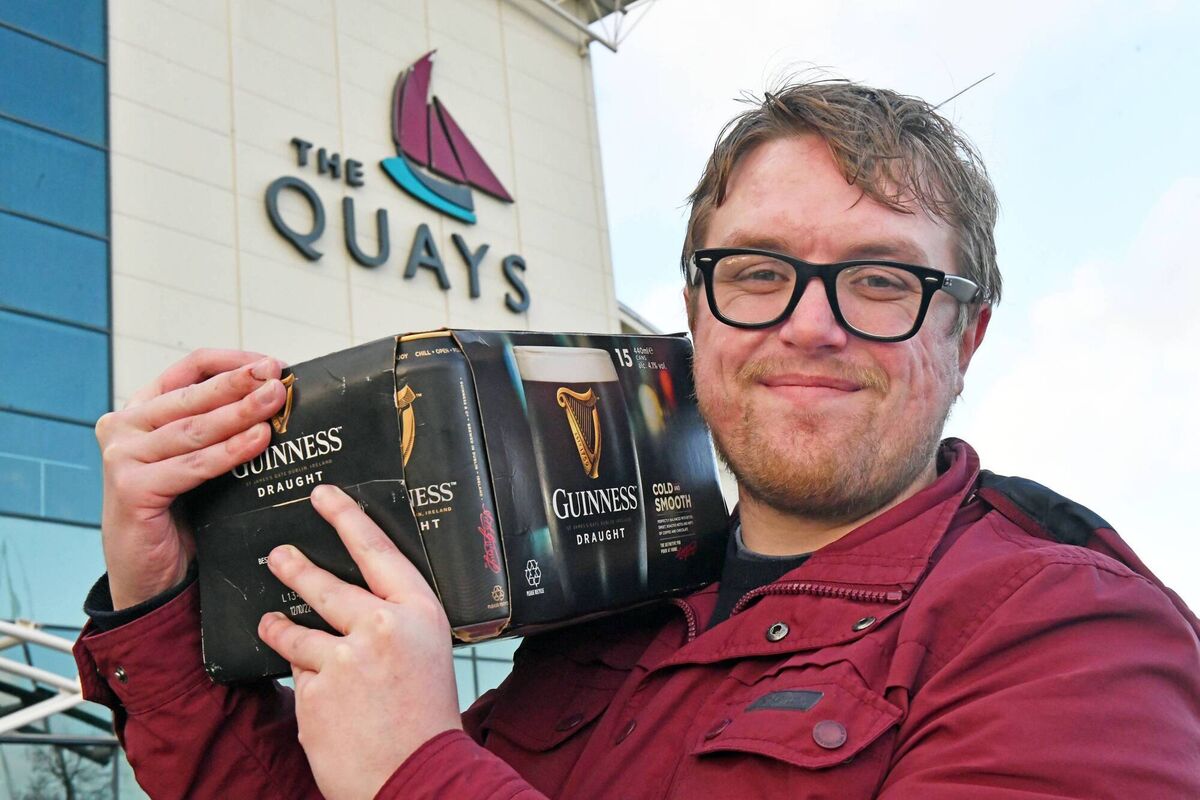
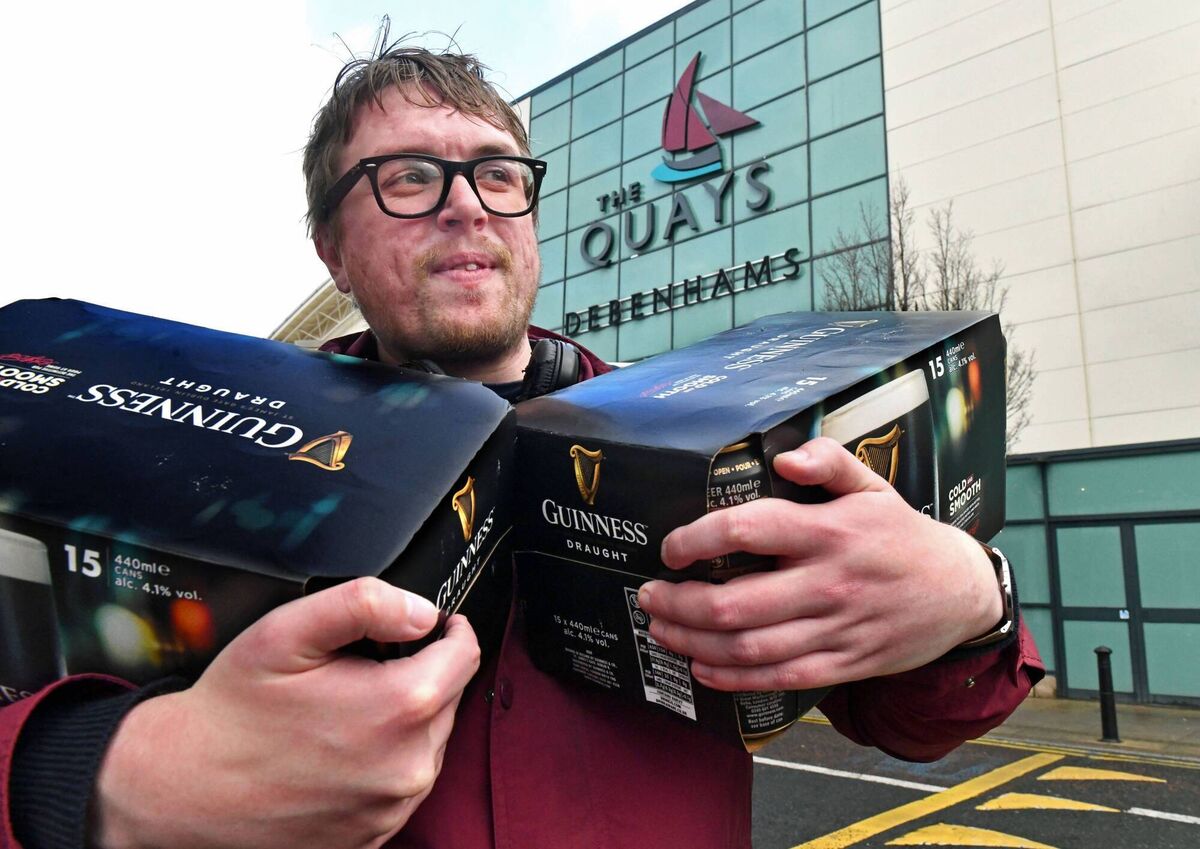
Irish Examiner reporter Sean Murray after his visit to Sainsbury’s in the Quays Shopping Centre in Newry where he got 15 440ml cans of Guinness for £16, around €19.15. Photo: Alan Lewis
The car park at the Quays is full enough at around midday on Thursday.
Less than 10km over the border, there are plenty of Irish reg cars outside the shopping centre in Newry, Co. Down. Mostly LH (Louth), but also a good few MH (Meath) and CN (Cavan). There’s even one KY (Kerry).
Cross-border shopping is nothing new. Several decades ago, the cost of washing powder and other products was much cheaper in the North and attracted plenty to make the journey.
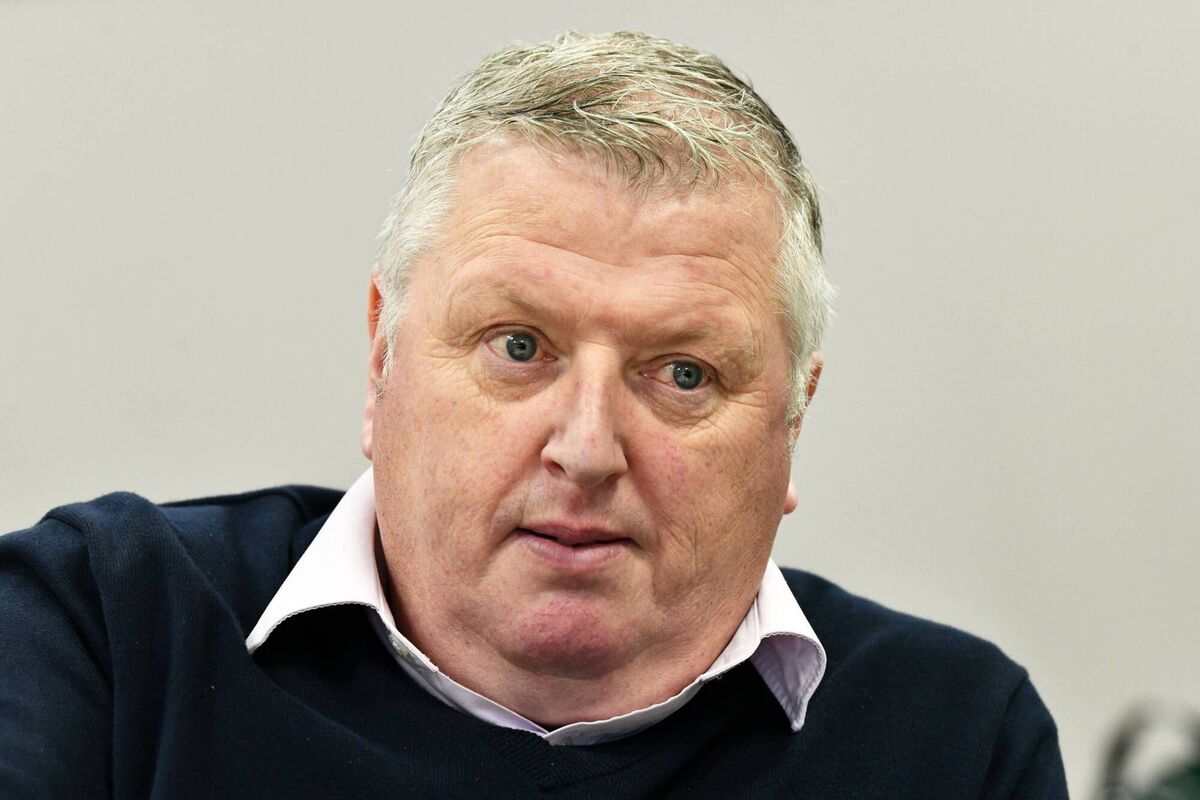
In the late 2000s, when the euro surged against the pound, trips up North to buy all kinds of groceries became very popular - and not just with shoppers from the border counties as many flocked from Dublin seeking bargains. Cathal Austin is the centre manager for the Quays in Newry.
He told the : “Cross border shopping has been going on since partition.
“People around the border areas do shop across the border. They go to where is convenient. And Newry is convenient to a large section of the population on that side of the border because we are the closest town.”
But focus has switched back to the topic of cross-border shopping with renewed vigour this week, after the Irish government in the South introduced minimum unit pricing on alcohol.
Ireland is one of a small number of countries in the world to have introduced the measure.
Scotland were the trailblazers back in 2018, and Wales followed suit in 2020 (studies in Scotland have found some evidence of cross-border shopping with England to avail of cheaper prices but little in the way of substantive cross-border activity). It’s also come into effect in parts of Australia and Canada.
It effectively sets a floor price under which alcohol products cannot be sold. And this floor price varies by product. The cost of some products, such as the more popular brands like Guinness, Heineken, Bulmers, Jameson, would stay largely unchanged under this system.
However, this only applies if you’re buying them in certain quantities (think a four or eight-pack of Guinness, or a 70cl bottle of Jameson). If you’re buying the bulkier quantities, here we’re talking about a slab of cans or a litre of strong spirits, then the price will have gone up and in some cases significantly.
On the other side of that coin, the cost of some of the cheaper brands, and drinks that have strong alcohol content, will also have to rise in price under minimum unit pricing. In December, an eight-pack of Druids cider would’ve set you back €10-12. Now it must cost at least €18.93.
Overnight, such as outlined in this example, the prices of some alcohol products had to change to at least a certain amount. Products already costing over that price didn’t have to change.
The powers to bring in minimum unit pricing became law with the Public Health (Alcohol) Bill in 2018. For years, successive governments said they wouldn’t bring in minimum unit pricing until the Northern Irish Executive did likewise.
The current government was supportive of this stance and expressed so in the Dáil as recently as September 2020.
Junior Health Minister Frank Feighan said that “if we proceed with the policy unilaterally, we risk undermining its effectiveness by continuing to provide consumers with the option to avoid minimum unit pricing by crossing the border to access cheaper alcohol”.
That stance has since changed, and the introduction of minimum pricing on January 4, 2022, was announced by the Government in May of last year. This week, Minister Feighan said he was “proud” that Ireland was among one of the first countries to introduce this measure.
“We are taking this action to ensure that cheap strong alcohol is not available to children and young people at 'pocket money' prices and to help those who drink to harmful levels to reduce their intake,” he said.
And that in a nutshell is the whole idea behind minimum unit pricing. It’s aimed at reducing the harms caused by those who abuse, or may go on to abuse, alcohol the most. Supporters say it’ll reduce the harm caused by alcohol, reduce hospitalisations due to alcohol over time, and save the Exchequer in the long run.
But there are fears of the consequences the new measure may have.
Which brings us back to Northern Ireland, and the potential for more shopping trips to the North as a result of minimum unit pricing, which has businesses near the border understandably worried.
Paddy Malone, from Dundalk Chamber, told the that the big fear is that cheaper booze across the border will also mean people do their shopping more in places like Newry. “The distortion of trade is what really concerns us,” he said.
“You’re not going to have someone go out and do their normal grocery shopping in the Dunnes in Dundalk and then drive up to the Sainsbury’s in Newry to buy alcohol. They’ll be doing the rest of their shopping there too. We’re all in favour of minimum pricing, no arguments whatsoever there.
"We believe it’s only right. What we have consistently said that if the North doesn’t move with us, we can’t move. It’s not just trade in that area, of alcohol.
"And branch out and do more of their shopping there.”
Mr Malone drew comparisons with shoppers who used to travel up North for the cut-price boxes of Aerial or Bold laundry detergent. “We saw it 20, 30 years ago,” he said.
“They’d sell those big 5kg packets in the North. The ones that would be up over your knee. They were going out like wildfire. People were saying they were going up to buy them and then doing the rest of their shopping there.
“That’s as I said the distortion of trade which is the problem. We’ve lived with it all our life. We’ve learned how to cope with it and be competitive. This is one we can’t be competitive with. That we can’t beat. Not with that big a differential.”
The member of Dundalk Chamber recalled conversations with local off-licence owners in the area who were actually happy with the introduction of minimum unit pricing, as it put would put them on a more even footing with local supermarkets which would regularly sell alcohol at or below cost price.
Indeed, minimum pricing had been supported by the National Off-Licence Association which called for the measure to be introduced before it came in in the North.
“But they’re not going to move from the supermarket to the off-licence if they can get it much cheaper up North,” Mr Malone said.
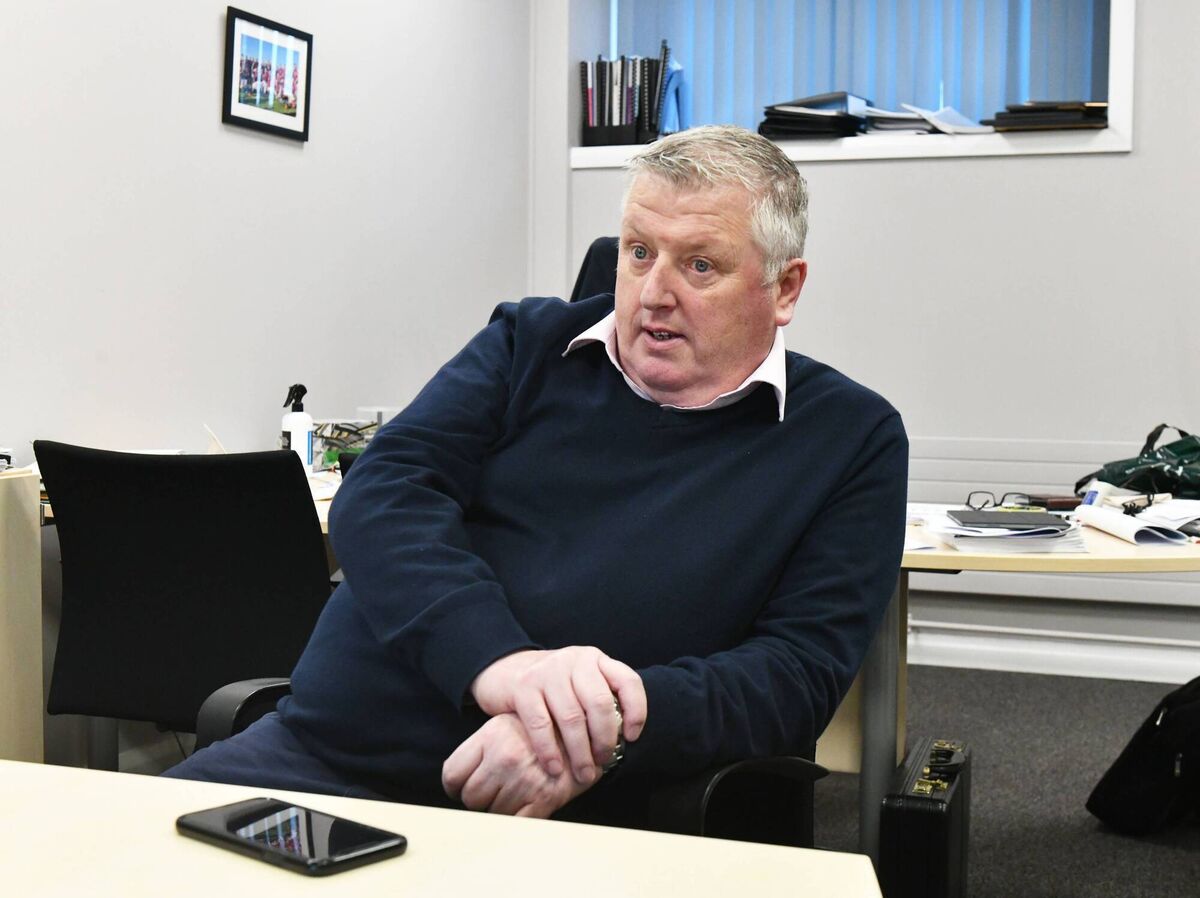
His fears were echoed by Vincent Jennings, CEO of the Convenience Stores and Newsagents Association. He said that minimum pricing was “potentially handing over a significant amount of revenue to Her Majesty’s Revenue and northern businesses”.
It’s all a bit of a call back to when then-Finance Minister Brian Lenihan referred to shoppers up north as “paying Her Majesty's taxes” back in 2008.
Cathal Austin, manager of the Quays, thinks that while minimum pricing could lead to an increase in some trade it won’t have a major impact in the short term at least.
“It probably will increase a bit, but I don’t imagine it will be hugely significant,” he said. “Whether or not somebody is going to drive from Dublin to save a couple of quid on a bottle of Powers or Jameson or Smirnoff, I'm not so sure.
“But if they can come to Newry, have a good day out and shop in two good shopping centres and make use of a good independent sector and at the same time bring home a dozen bottles of wine or two or three bottles of spirits, it adds to the day out.”
Some of the off-licences themselves aren’t expecting an avalanche of new consumers. But they are planning to capitalise on minimum pricing in the South if they can.
A short, and in some cases extremely short, distance over the border are offies where minimum pricing does not apply. One of them is the First and Last Off-Licence in Jonesborough, just across the border in Armagh.
Manager Seamus McNamee told the that it was way too early to gauge what difference minimum unit pricing would make for his business, but he planned to capitalise on it nonetheless.
“We’re going to be advertising, and be quite aggressive in our pricing,” he said. “I’m only off the phone to a [local Dublin paper] and we’re going to run an advert in that.” One factor that could diminish the impact on cross border shopping is the exchange rate, Mr McNamee said.
At present, the pound is around 0.84 to the euro. The pound weakened significantly against the Euro in the wake of the Brexit vote in 2016 but, at its current rate, it does diminish the potential for savings for cross-border shoppers.
“We’re not going to see anything change just yet,” Mr McNamee said. “For the simple reason that it’s the same every year in January, there’s no money about after Christmas.
“The minimum pricing could make a difference but it’ll depend on what people will be saving. The next few months will be tight but it’ll be Paddy’s Day and Easter is when you’ll see the big change.” And, as for minimum pricing in the North, they’re not holding their breath in Jonesborough at the moment.
“Minimum pricing is going to have to come in in Northern Ireland,” Mr McNamee added. “But the good people of Stormont can’t agree on it. But loads of places have been doing below-cost selling for so long.
“The places that have to sell slabs for €45 now? I have no sympathy for them, with the amount of below-cost selling they’ve been doing. They were saturating the market with drink that it’s forced the hands of those in charge.” The Drink Link is the first off licence you pass if you take the turn off the dual carriageway at Newry, coming from the south.
The worker there told the that it all depends on how the exchange rate goes, in terms of the impact on cross-border trade.
“If it went into the high 90s (of pence to the euro), you’ll get people,” he said. “But for others, by the time they’ve put diesel in the car, come up, exchanged your money, bought your alcohol, a bit of lunch. It may not be worth it.
“You’ll need to be buying a van load.”
It’s certainly not a van load we’re after today.
There’s a big Sainsbury’s in the Quays Shopping Centre, so we head there and go straight down to the end where the alcohol is. The first thing to note is that the quantities of beer and cider are often slightly smaller than in the Republic of Ireland.
Where you’d go into a supermarket or off-licence here and buy 500ml cans, most cans come in 440ml in the North. Small bottles are usually 330ml in both jurisdictions.
The first thing that catches the eye is £16 for 15 cans of Guinness. Under minimum unit pricing in Ireland now, those 15 cans would have to cost at least €21.87. Again, that’s if the cans were in 440ml quantity in Ireland. For 15 cans of Guinness as they’re sold at 500ml here, you’re talking a minimum price of about €24.85.
But the devil is in the detail or, in this case, the exchange rate. Buying those 15 cans for £16, that’s costing you around €19.15. That’s a saving on the minimum that it’ll cost.
A litre of Jameson, meanwhile, is £30. That’s just under €36.
On a number of different retailers sites we checked in the Republic, the cost of a litre varied from €39 to €45. Under minimum pricing, a litre of Jameson would have to cost at least €31.50.
The main big difference was to be found in the bulk quantities of beer.
There were 18 cans of Fosters beer for £13 (or €15.60). That same quantity would have to cost at least €24.99 under minimum pricing. Incidentally, the manager of one off-licence in Dublin said last month that they would no longer be stocking Fosters from January anymore given the amount it would have to increase in price.
£13 would also get you 20 bottles of Rockshore, which would have to cost at least €27 under minimum pricing.
The ranges of wines we looked at varied between minimal savings to savings of a few euro.
And it’s unlikely these sorts of prices will change in the North anytime soon. The Belfast Telegraph reported this week that the findings of a consultation into minimum pricing are set to be published early this year.
Beyond that, the Stormont Assembly would have to bring through the policy if the MLAs agree to it. That’s complicated by the Assembly election due to take place in May.
It would be foolish to think that once the dust settles on that election, that a new Executive would be formed any time soon. As it stands, it is likely to be 2023 at the earliest before the North follows the Republic in introducing minimum pricing.
Unequivocally, there are savings to be made here when buying alcohol in the North.
But when you factor in the exchange rate, the savings diminish somewhat. And then there’s the sheer effort and expense of getting there, filling the car etc, if you’re not from the immediate area.
The fears of businesses south of the border are undoubtedly valid, particularly of those in nearby towns.
But the actual impact minimum pricing has, not just in this area but also in the hoped-for improvements in health, will take some time to become apparent.

CONNECT WITH US TODAY



Be the first to know the latest news and updates