Aggressive seagulls attack people working on National Gull Survey
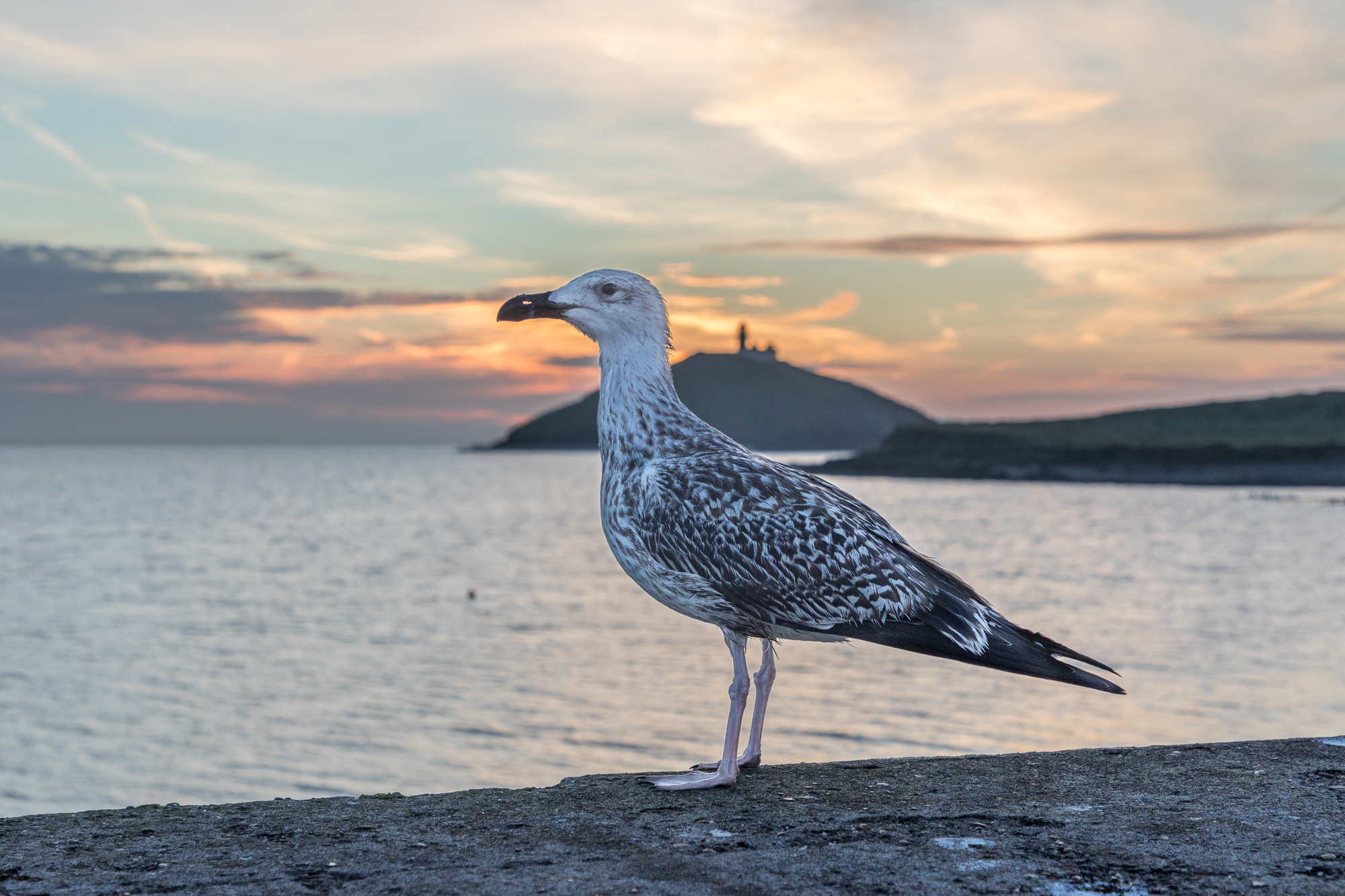
Surveyors commissioned to conduct research as part of the National Urban Gull Survey for 2021 were frequently swooped upon by the agitated seagulls, even when they were as far as 20 metres from a nest.
The report, published by the National Parks and Wildlife Service (NPWS), said that the regular presence of humans close to where the seagulls nest has likely “driven aggressive behaviour”.
The issue of aggressive gulls has been particularly acute in some parts of the country in recent years, including Dublin and southern counties.
This technical report is the first ever national survey for urban nesting gulls undertaken in Ireland, and was commissioned and funded by the NPWS.
The survey focused on mainly urban areas, such as Dublin, Cork, Waterford, Limerick and Galway.
It was done through mainly ground-based methods rather than using the likes of drones.
The latter was not chosen due to “various limitations, namely time constraints for deploying during fieldwork, length of time needed for analysis of images, available budget plus potential GDPR and access issues relating to privacy, private land, buildings and limitations on flying around areas of aviation activity”.
High densities of herring gulls were found in Dublin and the east coast generally, with a second, lower tier of densities found in Waterford and Cork. Surprisingly, few if any gulls were found to be present in coastal areas of Wicklow and Donegal.
The report found that a range of factors played into the presence or absence of urban nesting gulls in a given town or city in Ireland.
This included distance from the sea, proximity to a known breeding site, or to a river or water body, the age of housing estates and buildings as well as the extent of gull deterrents used or the scale of nest removal and control.
Deterrents were mostly found in areas where gulls were often considered to be problematic, and included bird spikes on roofs, razor wire and wire cages to prevent the building of nests at chimneys.
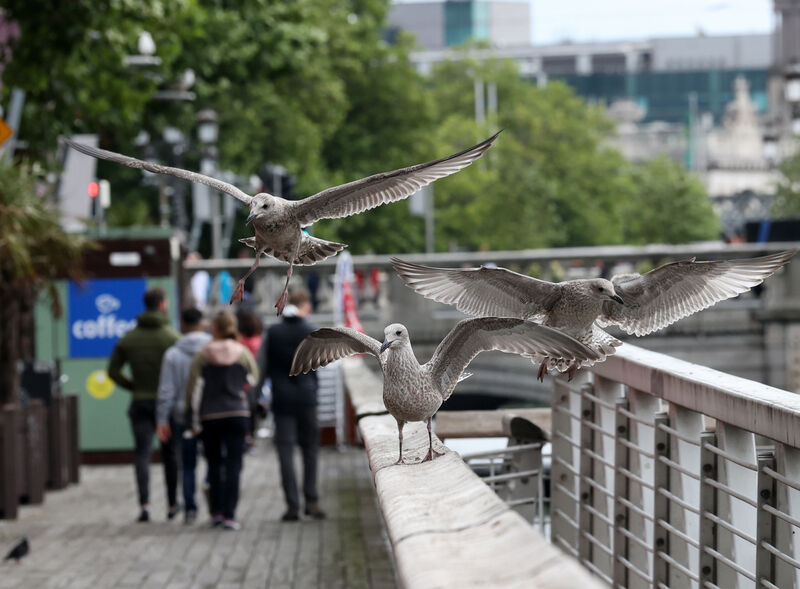
The report noted: “During survey work, several curious interactions between humans and gulls were noted, both objectively positive and negative.”
The abundance of food in urban centres was cited as a major contributing factor as to why gulls nest in towns and cities, as they scavenge on refuse sacks, bins and discarded food items.
Foraging gulls often also leave a trail of litter in their wake, which can attract pigeons, corvids and foxes, the report noted, and is one of the “many reasons why some people consider them a pest”.
The report said: “Negative interactions with roof nesting gulls were encountered by surveyors during the course of fieldwork, particularly at sites in north Co Dublin (Balbriggan, Howth and Skerries) where agitated adult gulls (usually with recently hatched chicks as opposed to a nest with eggs) would swoop at the surveyor (and nearby dogs) while they were walking nearby.”
In no instance was physical conduct made by the gull, it said.
Attitudes to seagulls in urban areas are “not entirely negative”, the report stated, with authors noting that people often feed wildfowl in urban parks or at amenity grasslands in housing estates.
CONNECT WITH US TODAY



Be the first to know the latest news and updates