Public services card cost soars to €98m
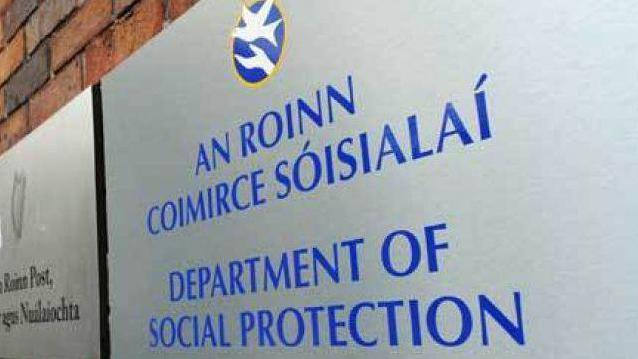
The Department of Social Protection (DSP) has said a €30m hike in the cost of the public services card framework is attributable to a number of factors.


The Department of Social Protection (DSP) has said a €30m hike in the cost of the public services card framework is attributable to a number of factors.

The Department of Social Protection (DSP) has said a €30m hike in the cost of the public services card framework is attributable to a number of factors, including the prior exclusion of Vat.

The card, which remains the subject of a court case involving the State and its own data protection regulator after the DPC declared the PSC to be illegal in 2019, was estimated as having cost €67.8m in its then-10 years of existence by DSP secretary general John McKeon in October 2019.

However, a recent cost-benefit analysis of the project compiled by the department stated that the overall cumulative cost of the card and its online equivalent, MyGovID, is actually €98.4m. 

The department has now said the difference in costs is attributable to several factors.

They include the inclusion of costs for the six months of 2019 not accounted for by Mr McKeon two years ago, and the “addition of Vat” on PSC and SAFE (Standard Authentication Framework Environment — the way in which DSP verifies welfare claimants’ identities) equipment, and IT costs.

It said that other costs include an “addition of 25% to all direct staff costs” per Ireland’s Public Spending Code, along with specific MyGovID costs, which were not included in Mr McKeon’s initial estimate.

The cost-benefit analysis, published by DSP on November 5, argues that the PSC project had paid for itself within five years.

It said the system now delivers direct annual savings of more than €20m.

The card was first introduced in 2009 as a means for social welfare claimants to access their benefits.

The project became a source of controversy when the Government announced plans to make having one a compulsory requirement in order to access multiple State services.

The DPC embarked on a two-year investigation of the card in October 2017 after expressing itself dissatisfied with assurances from the department that the card was fully in accordance with data protection legislation.

That investigation, when finalised in August 2019, concluded that the card is illegal when made compulsory for accessing non-welfare services, and that the department must destroy records it unlawfully held on3.2m cardholders in the State.

The next hearing in the State’s case against the DPC concerning that ruling is scheduled for December 7.

More in this section

Lunchtime News

Newsletter

Get a lunch briefing straight to your inbox at noon daily. Also be the first to know with our occasional Breaking News emails.

Cookie Policy Privacy Policy Brand Safety FAQ Help Contact Us Terms and Conditions

© Examiner Echo Group Limited