McEntee plans to make strangulation a standalone offence
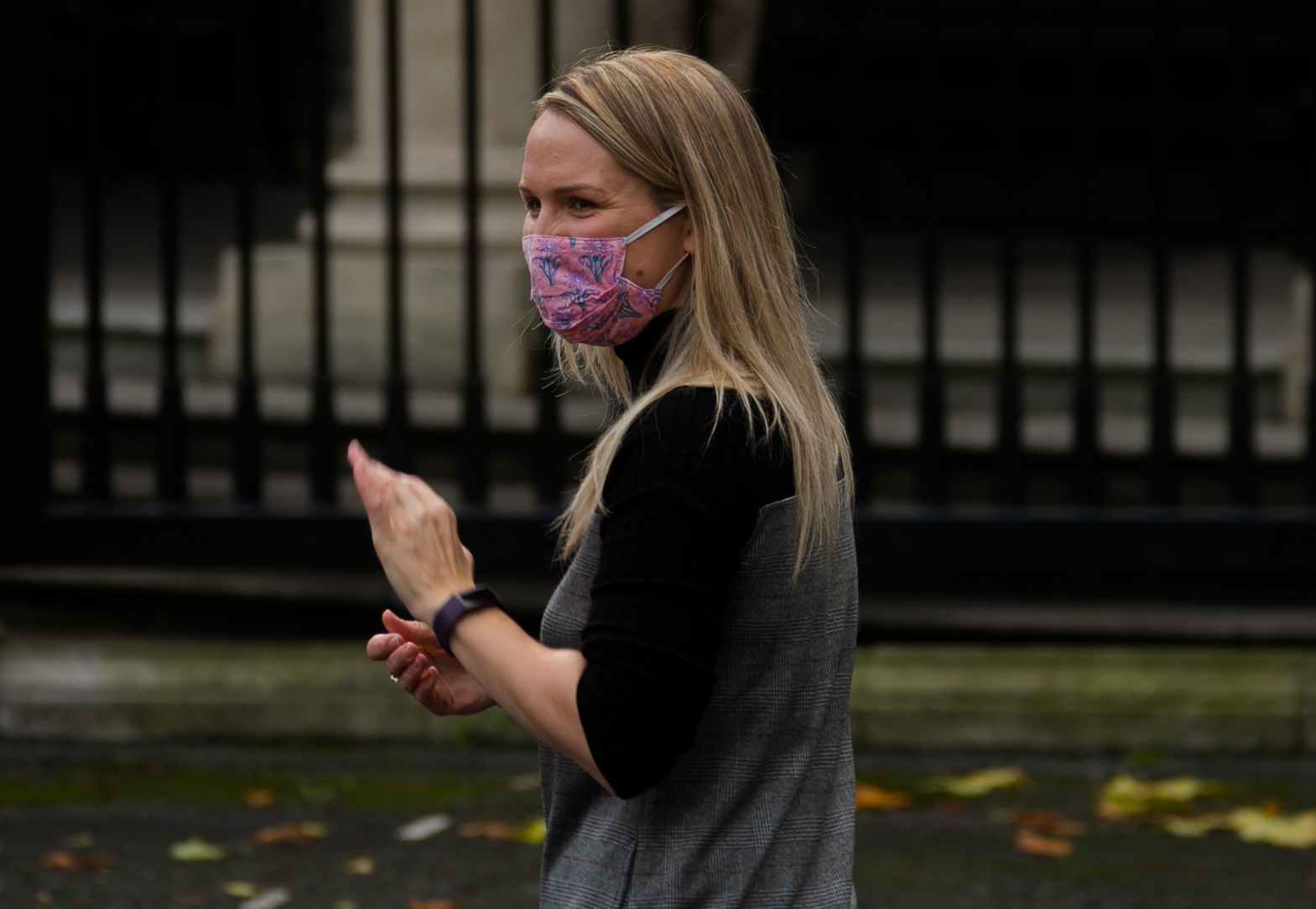
Minister for Justice Helen McEntee: Will tell gardaí that non-fatal strangulation and asphyxiation are common features of domestic abuse and are often an indication that victims are at further risk of potentially lethal violence. Picture: Gareth Chaney
The Justice Minister Helen McEntee is expected to signal her intention to make strangulation a standalone offence in a bid to tackle domestic abuse.
Ms McEntee will address the annual meeting of the Association of Garda Superintendents and Inspectors (AGSI) on Monday and tell delegates that she is considering the move.
She will tell gardaí that non-fatal strangulation and asphyxiation are common features of domestic abuse and are often an indication that victims are at further risk of potentially lethal violence.
While strangulation is currently prosecuted as a crime under the Non-Fatal Offences Against the Person Act, Ms McEntee and Garda Commissioner Drew Harris have discussed making it a standalone offence. The minister has now asked the Department of Justice to examine the implications of such a move.
Ms McEntee is understood to believe that making strangulation an offence in its own right could encourage victims to come forward and that the greater clarity would also assist the gardaí as it carries out investigations and prosecutions.
There have been numerous high-profile instances of choking in domestic violence cases including one last month where a then-serving garda was given a three-month jail sentence for attacking and trying to choke his former partner. Women's Aid's annual report also found that women reported being strangled by their partner.
Women's Aid CEO Sarah Benson said that the minister's proposal would be welcomed. She said that the UK's Domestic Violence Bill passed in April was a good example of how and why such a change could be made. Under that law, a person found guilty of non-fatal strangulation would face up to five years in prison.
We would be supportive of this and we look to the UK example," Ms Benson said.
"Strangulation as a form of assault is a particularly high risk of fatality and features in a lot of domestic abuse. Recognising the risk of death is something that needs to be supported.
"There have been cases in the UK where strangulation has been used during sex and there has been a campaign to ensure that this cannot be used as a defence in cases of murder and we would support that."
The organisation said its support workers received 24,893 disclosures of abuse against women and another 5,948 disclosures of child abuse in the context of domestic violence, resulting in 30,841 disclosures in total.
The abuse included women saying they had been strangled, had their teeth knocked out, as well as forms of coercive control.
Some 148 women were abused while pregnant and 28 women suffered a miscarriage because of the abuse.
CONNECT WITH US TODAY



Be the first to know the latest news and updates