More people will have to use public transport before fares can come down – Ryan
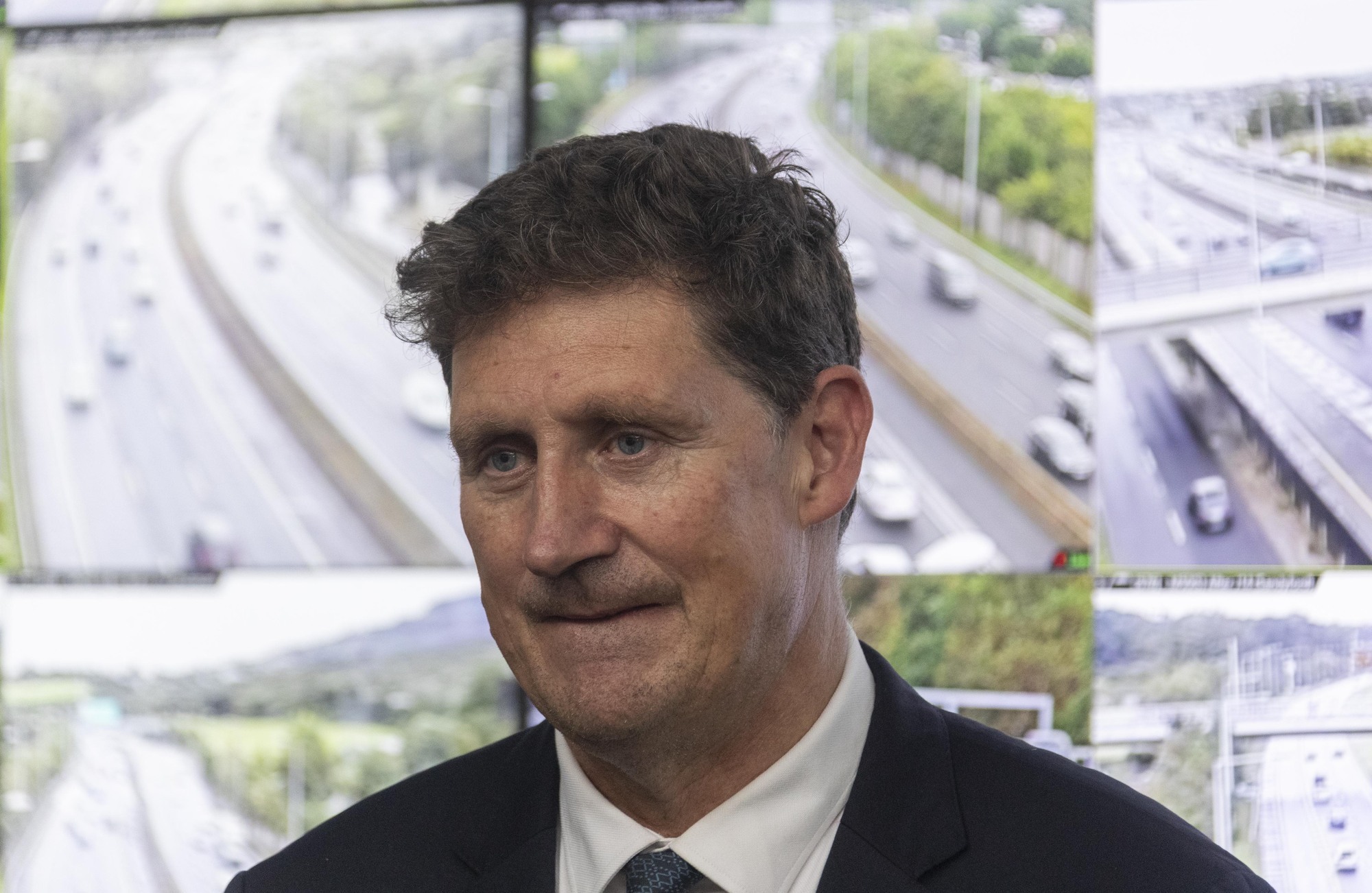
While the Government wishes to encourage people onto public transport and away from cars, Mr Ryan admitted there was little prospect of reducing fares in the short term. Picture: Colin Keegan, Collins Dublin
More people will have to start using pubic transport before fares can start coming down, the Transport Minister has said.
Eamon Ryan was speaking at the launch of the Government’s new National Development Plan, which has promised a two-to-one spend ratio between public transport and road infrastructure, as part of Ireland’s climate goals.
But while the Government wishes to encourage people onto public transport and away from cars, Mr Ryan admitted there was little prospect of reducing fares in the short term.
During lockdown, the Government invested heavily in public transport companies which were unable to operate to keep them afloat.
He said: “We had to fill that gap with a huge investment, to cover the PSO (public service obligation), to keep the companies going.
“Now as we come out we have a real problem, because we see car traffic coming back, but people are still slow on public transport.
“Our public transport revenues are not rising as fast as we would like and we’re going to be in a tight budget situation.”
A return journey from Dublin to Cork on Irish Rail costs over €80, and the Transport Minister accepted the price is prohibitive.
However, he said any reductions would have to be targeted measures, rather being introduced across the board.
The priority for the moment will be on improving public transport, and offering more frequent services.
“I would love to have to say here, I’m going to reduce every fare” he said.
“I think we’re going to have to target some of that.
“We’re going to have to think about how, in particular, certain categories or groups we really want to try encourage on to public transport.
“First and foremost, I can’t promise I’m going to half that train fare and so on.
“What I think we need to do is invest in the network, invest in new trains, give people more frequent service.
“Then as then, the numbers start coming back and the fair revenue increases, then we look at what we can reduce then.”
He added: “I’m very confident we will be able to lower them as we get the numbers on transport.”