Film 'lifts the lid on decades of unfairness' by EU towards Irish fishing communities
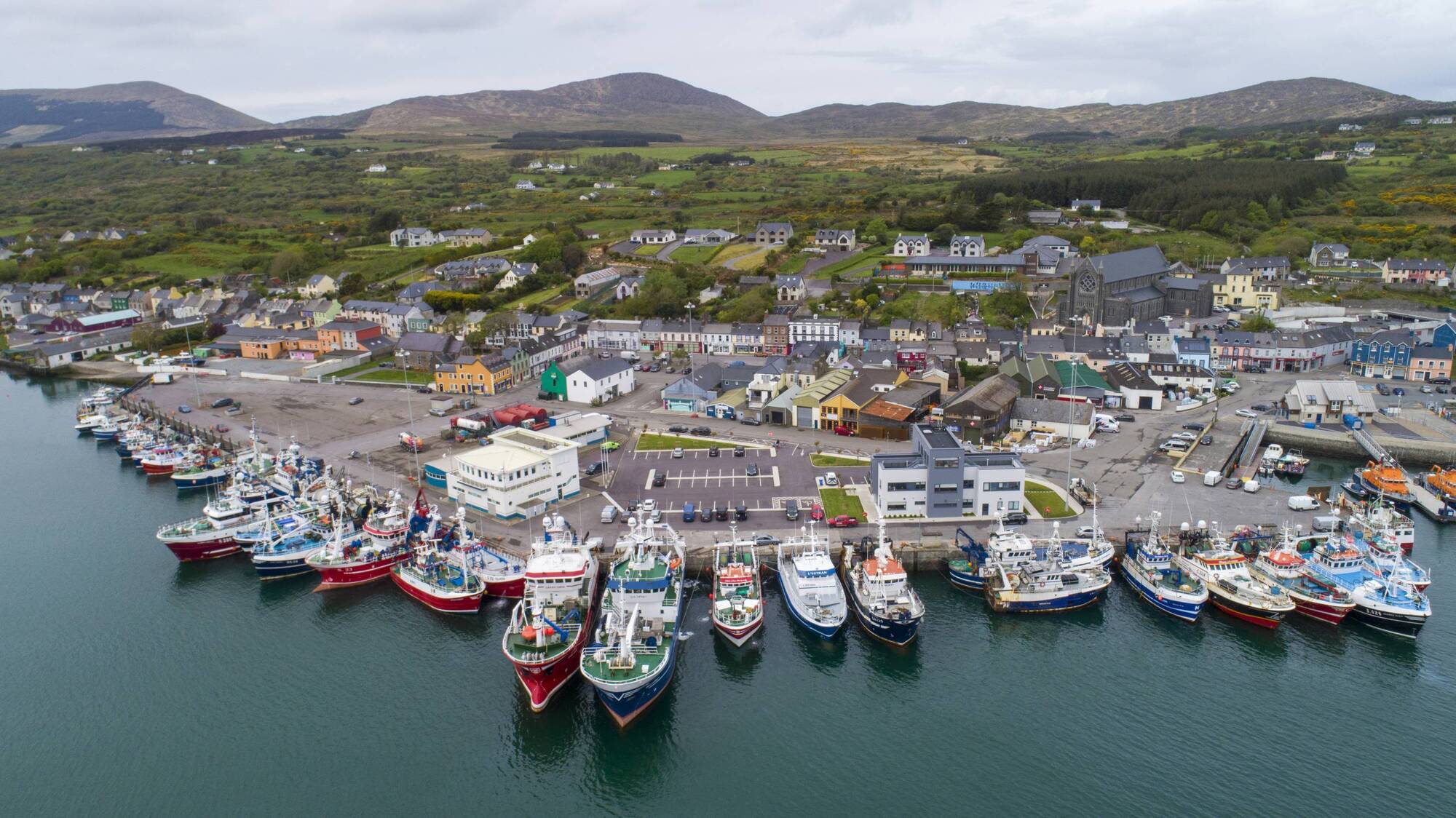
With up to 10 people working on each boat, he said they are to places like Castletownbere what pharma hubs like Pfizer are to urban areas, and that fact is not widely understood. Picture: Niall Duffy/West Cork
Irish fishing communities have commissioned their own documentary to highlight the crisis in coastal communities which they say has been caused by decades of unfair EU fishing policy.
They have invited politicians to its screening in Dublin today as a follow-on to their high-profile protest flotillas staged in Cork and Dublin ports earlier this year.

“From the Malin Head Peninsula in Donegal to the Beara Peninsula in West Cork, our fishing communities have been suffering in silence for too long. With this documentary they finally feel their story is being told,” said Niall Duffy, editor of The Skipper.
Amidst a growing crisis in the fishing industry, Irish fishermen enlisted the help of Sean Moroney, of Santander Media in Kilmore Quay, to highlight the unfair and disproportionate share of fish that Irish boats can catch in Irish waters.
With the support of Mr Duffy, Mr Moroney, who created The Fisher’s Voice social media initiative to garner support for the plight of Irish fishermen, travelled the country over five months to record the voices of Irish fishing communities.

It has led to the creation of a 26-minute documentary that fishermen say finally “lifts the lid on decades of unfairness” caused by the EU’s Common Fisheries Policy's (CFP) allocation of the lion’s share, some 85%, of the total allowable catch, or quota, to the mainland European countries, despite the majority of this fishing taking place in Irish waters.
The documentary shows while Ireland has 10% of EU fishing grounds, Belgium, with just 0.1%, has a greater quota for some prime species in Irish waters than local Irish fishermen.
“It’s incredible to think Ireland has the best fishing grounds in Europe and we have to go out of business to allow the others continue doing that business in our waters,” said Patrick Murphy, CEO of the Irish South and West Fish Producers Organisation.
Donegal-based Fr John Joe Duffy said: “What we fail to realise sometimes is that fish are our national asset, they are a national asset to this country and it’s quite bizarre that 85% of fish caught in Irish waters is caught by foreign vessels.”

Several fishermen and business owners, who rely on the fishing industry for their income, also speak out about how the continuing lack of access to the raw material, the fish in Irish waters, is causing a crisis in Ireland’s coastal communities - some of which depend on fishing for up to 90% of their local economy.
Ger O’Sullivan, the MD of Bere Island Boat Yard, is among those to underline the importance of the fishing industry to the economy of coastal communities.
“The fishing fleet accounts for about 90% of our business,” he said.
And with up to 10 people working on each boat, he said they are to places like Castletownbere what pharma hubs like Pfizer are to urban areas, and that fact is not widely understood.
“Without them, we wouldn’t be here. It’s crucial to what we’re doing and to communities as well. They are the mainstay here,” he said.

In 2009 there were 280 Irish vessels over 18m registered in Ireland’s polyvalent demersal fishing fleet.
But today, the Irish fishing boat register shows only 165 vessels - a reduction of 42%.
The withdrawal of the UK from the EU affected the CFP, with the details determined by trade negotiations between the EU and the UK, which resulted in a 25% annual loss by value to the Irish fishing fleet. The CFP is due for review in 2022.
The documentary will be screened to TDs at Buswells Hotel later before being released on social media to the public. A link to view the documentary will be sent to all sitting TDs and Senators who cannot attend the screening.