Minister seeking to allow children of adoptees to access next of kin information
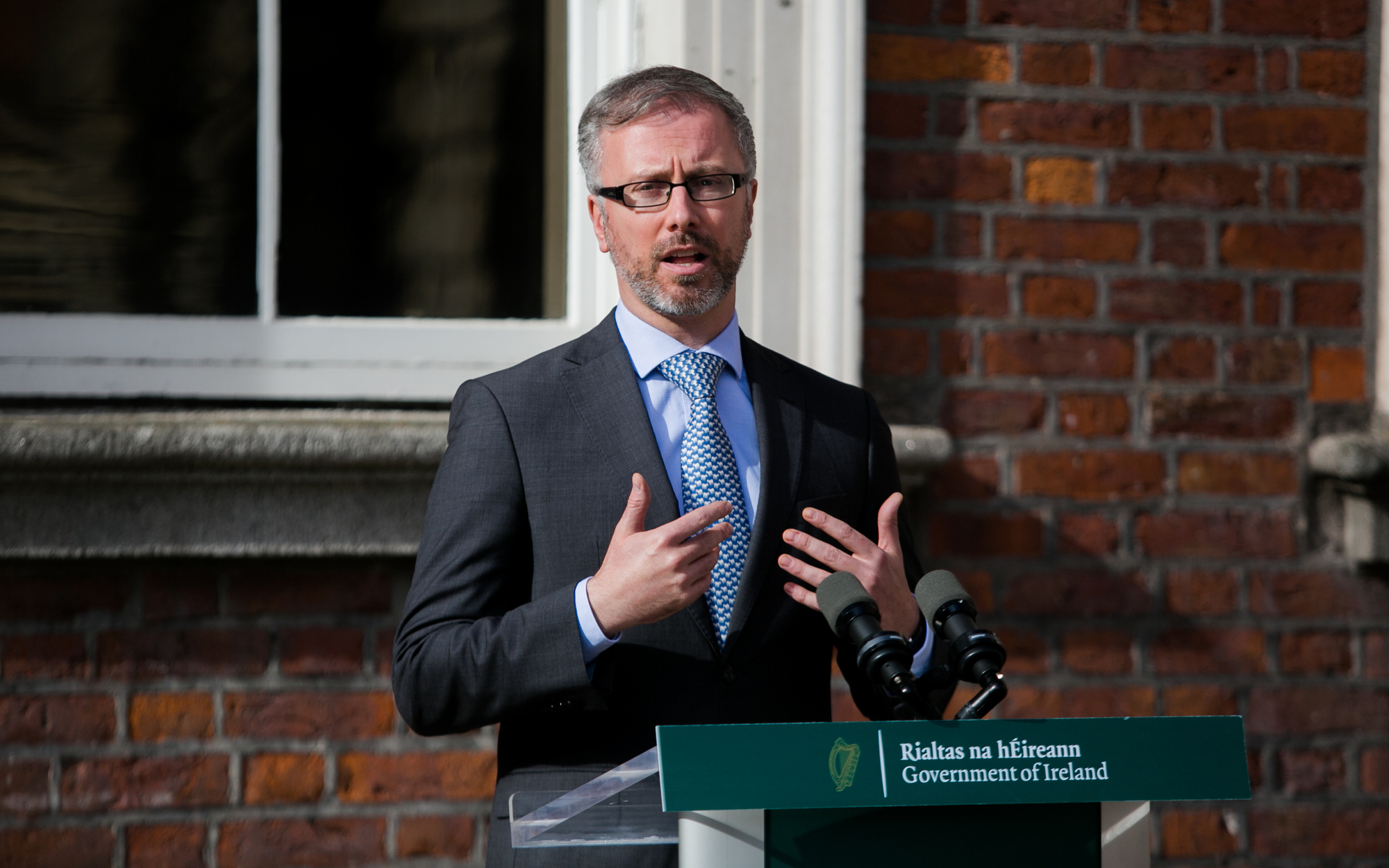
Children's Minister Roderic O’Gorman said the new laws are 'all about providing people with clear access to their care information, and providing access for the first time and a guaranteed access to that information'. Picture: Gareth Chaney/Collins Photos
Children's Minister Roderic O’Gorman is engaging with the Attorney General on whether the children of adopted people should get access to the full details of their next of kin.
An Information and Tracing Bill initially stated that only adoptees can have access to their birth certs and other personal information, meaning this valuable family data could not be accessed in cases where the adopted person has passed away.
However, it is understood that the minister is now seeking to allow the children of adoptees access to birth certs and next of kin information.
"We are engaging with the Attorney General's office and with the Office of Parliamentary Counsel in terms of what provisions can be provided in terms of access for various categories of next of kin," Mr O'Gorman told the Oireachtas Children's Committee.
Mr O'Gorman added that the new laws are "all about providing people with clear access to their care information, and providing access for the first time and a guaranteed access to that information".
However, Social Democrat TD Holly Cairns pointed to the fact that adoptees will only get partial information in relation to any siblings they have.
"The only information permitted regarding relatives is whether you have a relative, and their sex and whether they are younger or older," she said.
It is understood that the minister is also considering options to expand the amount of information that can be provided. However, he told the Committee: "Under the legislation at the moment, we're proposing to tell people if they had siblings, how many, and what was their gender. But we weren't proposing to provide names or direct information."
He added that this comes down to the need to balance rights.
Meanwhile, committee member Cathal Crowe claimed that men have been "written out" of legislation. He told the committee that the bill is "matriarchal" because "each section refers to mothers and babies".
He said the men "who got a girl in their local community pregnant, they bought a ticket for the ferry, they went off to Wales or America, they are nowhere mentioned in our committee".
He said these men cannot come forward as witnesses as they had chosen from the "very get-go" to run away from their responsibilities.
"Some of them still live up boreens and laneways in the west of Ireland and the east of Ireland and lots of their motivation in terms of running away from the girl they got pregnant was in terms of protecting farms, land holdings, not falling foul of church and State, a whole mix match of messed up reasons for not standing by the girl they got pregnant," he said.
However, Mr O'Gorman said that fathers are accommodated in the legislation.
"Fathers will be able to use the contact preference register and will be able to use the statutory Tracing Service to indicate if they want to provide information, if they want to receive information, or if they want contact, so there is that provision for them to use the system," said the minister.
CONNECT WITH US TODAY



Be the first to know the latest news and updates