Reserve Defence Force numbers significantly below strength
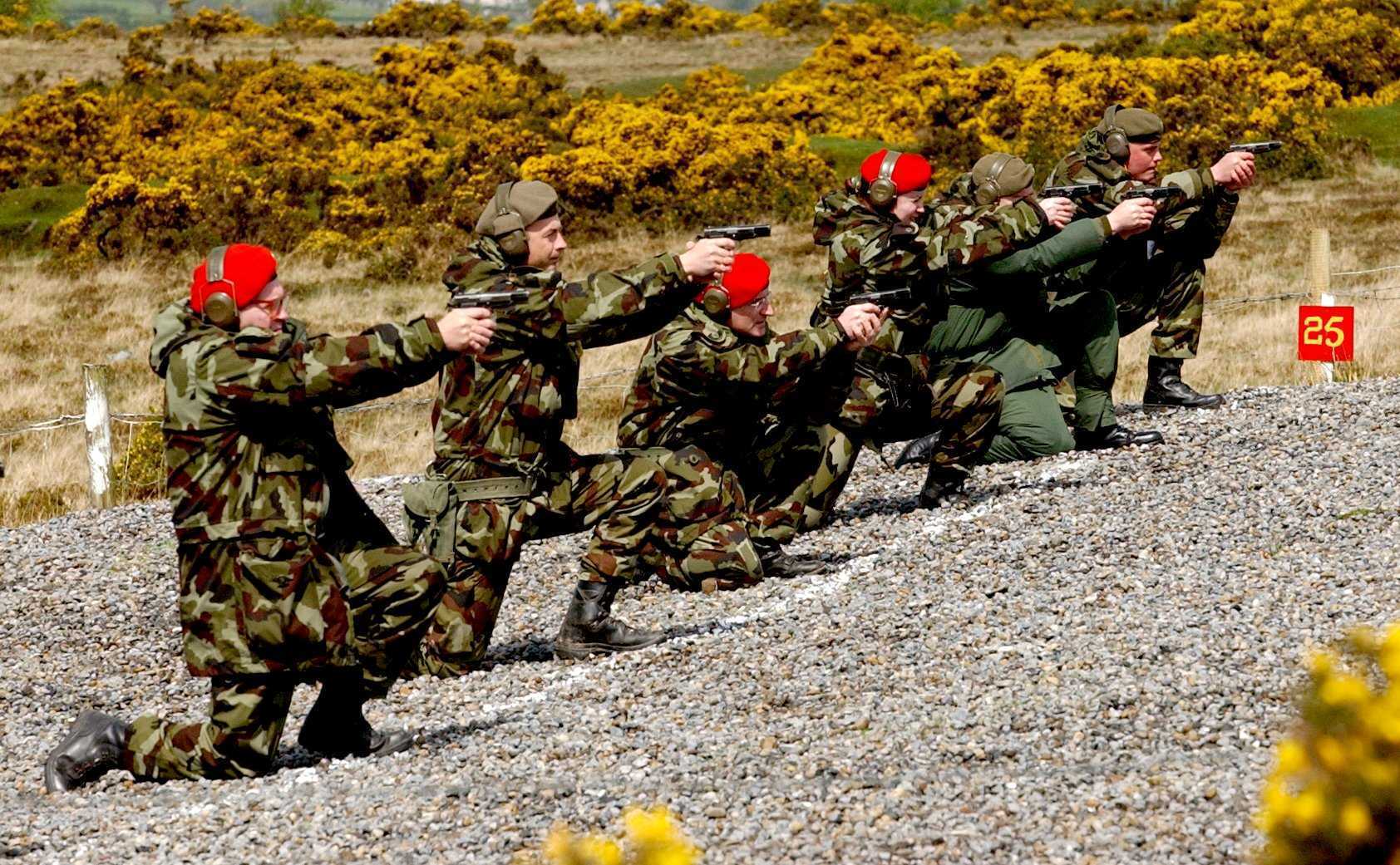
Neil Richardson, general secretary of the Reserve Defence Forces Representative Association (RDFRA) said the official figure of 1,513 effective personnel in the combined army and naval reserves is "artificially high". File Picture: Richard Mills
The country's Reserve Defence Forces (RDF) are significantly below strength, potentially putting the country's security at risk.
And, while official figures show numbers are much lower than what is needed, the representative group for the RDF says the reality is actually even worse.
The Army Reserve is supposed to have a minimum number of 3,869 personnel, but figures released by the government show there are just 1,392. The minimum number required for the Naval Service Reserve is 200 personnel, but it's currently 121.
While these are the official numbers, the correct figure is far lower, according to Neil Richardson, general secretary of the Reserve Defence Forces Representative Association (RDFRA).
He said that to be considered ‘effective,’ members of the RDF only have to complete a certain number of hours of attendance at training each year.
Additional ‘operational readiness standards’ – such as a personal weapon test, an annual medical, or an annual fitness test – are encouraged but are not mandatory.
“However, it must be stressed that reservists must successfully complete all of these ‘operational readiness standards’ before they can be considered for a position on a course of training, such as a skills course or a career/promotion course. Therefore, the most active/dedicated reservists tend to meet these standards each year,” Mr Richardson said.
He said the official figure of 1,513 effective personnel in the combined army and naval reserves is "artificially high". In 2019, a total of 1,019 reservists underwent some form of paid training. This was the last ‘normal’ training year prior to the arrival of Covid-19, which resulted in a shutdown being imposed on the RDF.
“Attendance at paid training is a better metric by which to assess the number of ‘active’ reservists,” Mr Richardson said.
RDF recruitment since the arrival of Covid-19 has comprised one single recruitment competition in Tralee.
“Currently, there's a significant number of RDF applicants from 2019 and 2020 recruitment competitions who are still waiting to be called for initial induction testing,” said Mr Richardson.
He said in order to retain the personnel that the RDF does have, RDFRA has been requesting that military management run promotion competitions to secure new captains and senior non-commissioned officers for the force.
“However, despite the Minister for Defence supporting a mechanism by which new captains could be promoted, no such competition has been launched yet, while in terms of obtaining new senior NCOs, a significant number of long-term non-attending senior NCOs are being artificially retained as ‘effective’ on the personnel database, thereby preventing these positions from being filled by the promotion of active personnel,” Mr Richardson said.
CONNECT WITH US TODAY



Be the first to know the latest news and updates