Llama antibodies in a nasal spray found to be effective Covid-19 treatment
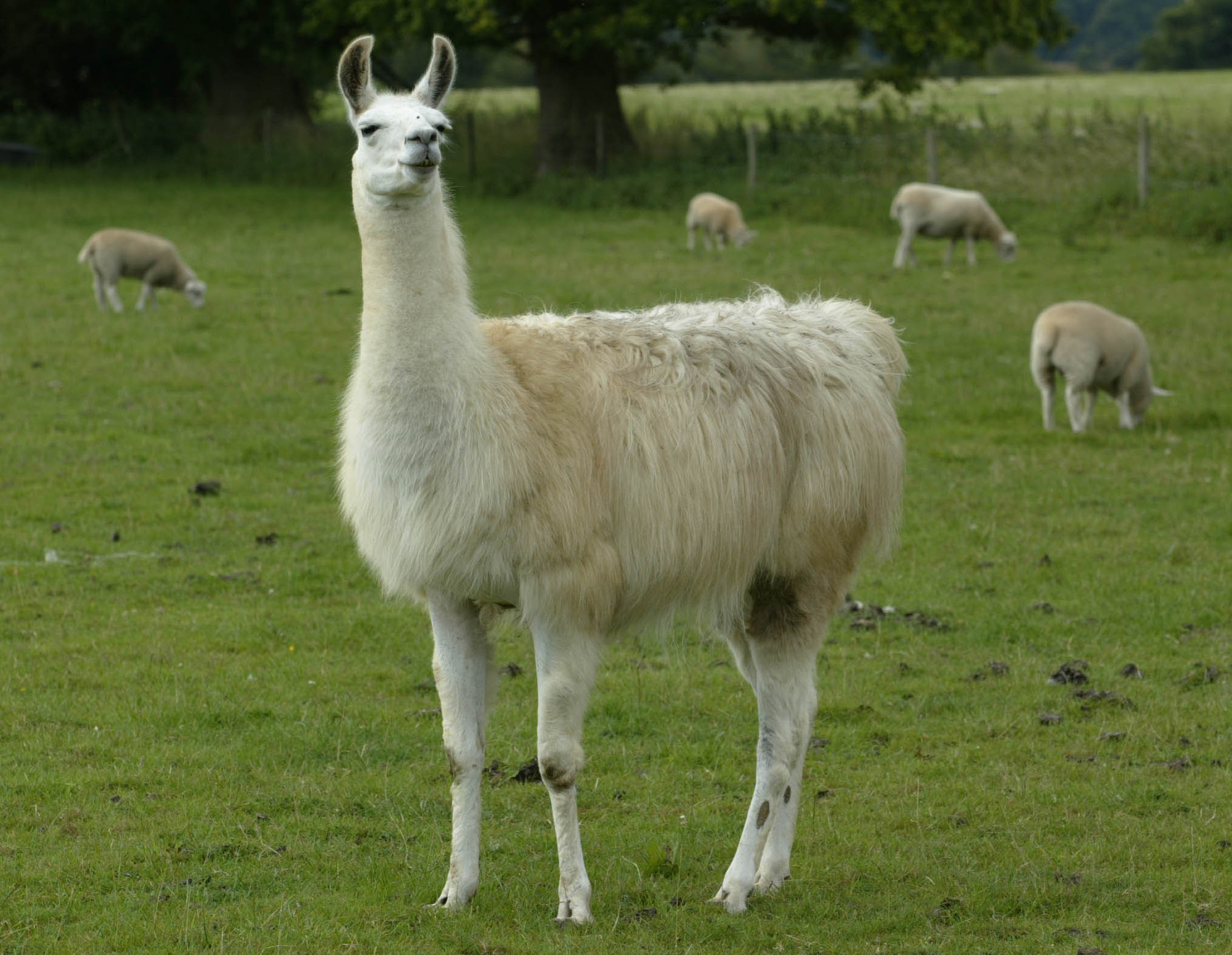
Antibodies sourced in llamas and delivered with a nasal spray are effective in helping fight off Covid-19.
Tiny antibodies produced by llamas could provide a new frontline treatment against coronavirus in the form of a nasal spray, research suggests.
Scientists at the Rosalind Franklin Institute have found that the nanobodies - a smaller, simple form of antibody generated by llamas and camels - can effectively target the Sars-CoV-2 virus that causes Covid-19.
Short chains of the molecules, which can be produced in large quantities in the laboratory, significantly reduced signs of Covid-19 when given to infected animal models, according to the study.
The nanobodies bind tightly to the virus, neutralising it in the laboratory, and could provide a cheaper and easier alternative to human antibodies taken from recovered from Covid-19 patients.
Human antibodies have been used for serious cases during the pandemic, but usually need to be administered by infusion through a needle in hospital.
Professor Ray Owens, head of protein production at the Rosalind Franklin Institute and lead author of the research, said: "Nanobodies have a number of advantages over human antibodies.
"They are cheaper to produce and can be delivered directly to the airways through a nebuliser or nasal spray, so can be self-administered at home rather than needing an injection.
Researchers were able to generate the nanobodies by injecting a portion of the spike protein into a llama called Fifi, who is part of the antibody production facility at the University of Reading.
The spike protein is found on the outside of the virus and is responsible for binding to human cells so it can infect them.
While the injections did not make Fifi sick, they triggered her immune system to fight off the virus protein by generating nanobodies against it.
A small blood sample was taken from the llama and the researchers were able to purify four nanobodies capable of binding to the virus.
The nanobodies were then combined together into chains of three to increase their ability to bind to the virus. These were then produced in cells in the laboratory.
The study found that three nanobody chains were able to neutralise both the original variants of the Covid-19 virus and the alpha variant.
A fourth nanobody chain was able to neutralise the beta variant.
When one of the nanobody chains were given to hamsters infected with the virus, the animals showed a marked reduction in disease.
Hamsters that received the nanobody treatment also had a lower viral load in their lungs and airways after seven days than untreated animals.
Researchers say the results are the first step towards developing a new type of treatment against Covid-19, which could prove invaluable as the pandemic continues.

CONNECT WITH US TODAY



Be the first to know the latest news and updates