1,394 new Covid cases as 75% of Irish population now fully vaccinated
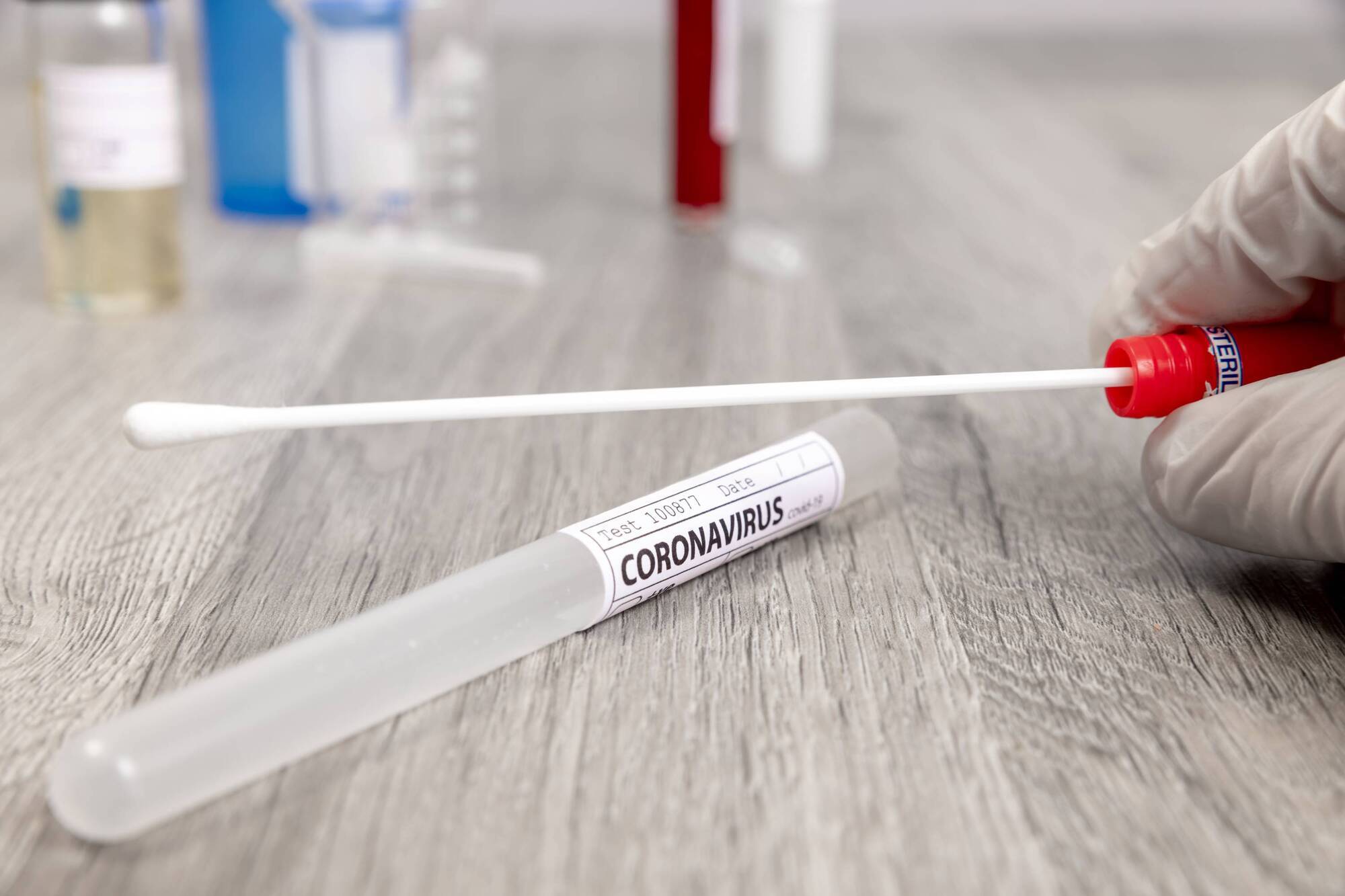
A statement from the National Public Health Emergency Team (Nphet) revealed that 321 Covid patients are in hospital, with 58 in ICUs. File picture
Health officials have confirmed that there have been 1,394 new cases of Covid-19 recorded on Monday.
It comes as three-quarters of the entire Irish population is now fully vaccinated against Covid-19, according to the latest statistics.
A statement from the National Public Health Emergency Team (Nphet) revealed that 321 Covid patients are in hospital, with 58 in ICUs.
The Chief Medical Officer said that the awareness of Covid symptoms and what to do if you experience them is "extremely important".
“Regardless of how mild symptoms may be, we ask that you isolate if you experience any of them and contact your GP. Do not go to school, the workplace or socialise if you or your child exhibits Covid-19 symptoms," Dr Tony Holohan said.
Dr Holohan reminded the public that symptoms for adults and children include fever, cough, shortness of breath, loss of taste or smell, runny or blocked nose, nausea, vomiting or diarrhoea, aches, fatigue, sore throat, headache.
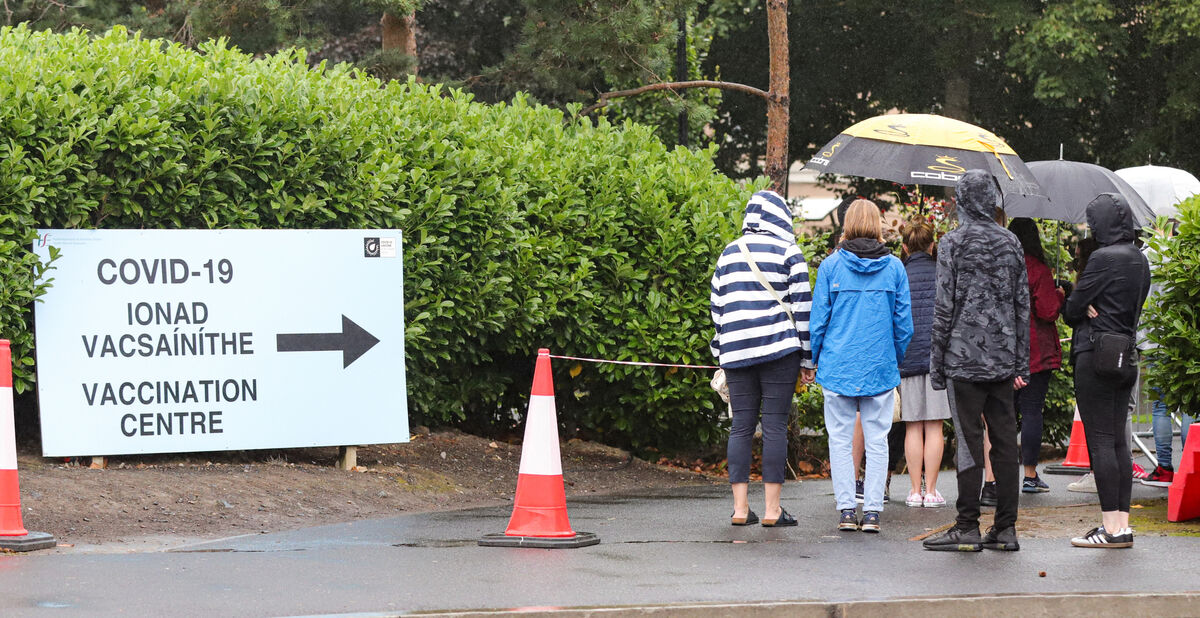
Meanwhile, in a vaccine update shared on Twitter this morning, the head of Ireland's vaccine taskforce Professor Brian MacCraith confirmed that 90.2% of adults over the age of 18 are now fully vaccinated.
For those aged 16 and up, that figure now stands at 89.3%.
90% of all eligible individuals - that is, those over the age of 12 - have received at least one vaccine dose.
Overall, 7,035,048 vaccines doses have now been administered in Ireland.
VACCINATION UPDATE
— Brian MacCraith (@muirtheimhne) September 13, 2021
💉 90.2% of adults (18+) are now fully vaccinated
💉 90% of all eligible individuals (12+) have received at least 1 dose
💉 ~89.3% of those aged 16+ are fully vaccinated
💉 >75% of our total population have received at least 1 dose @HSELive#ForUsAll pic.twitter.com/shtVEG5cS0
Elsewhere, the chief executive of the HSE has said that while he expects the numbers of Covid patients hospitalised to decrease over the coming weeks, there is "no doubt" that the health service would be dealing with the virus into next year.
"While the economy is moving on and society is moving on, and we all want our lives to move on, the reality for the health service is we still have to manage with Covid," Paul Reid said.
"It is a most likely scenario that we will, for a sustainable period of time, have a number of people in hospitals with Covid."
Mr Reid was speaking as officials at the Department of Health confirmed a further 1,346 cases of Covid-19 yesterday.
Yesterday morning, there were 315 patients with the virus in hospitals, 59 of whom were being treated in intensive care.
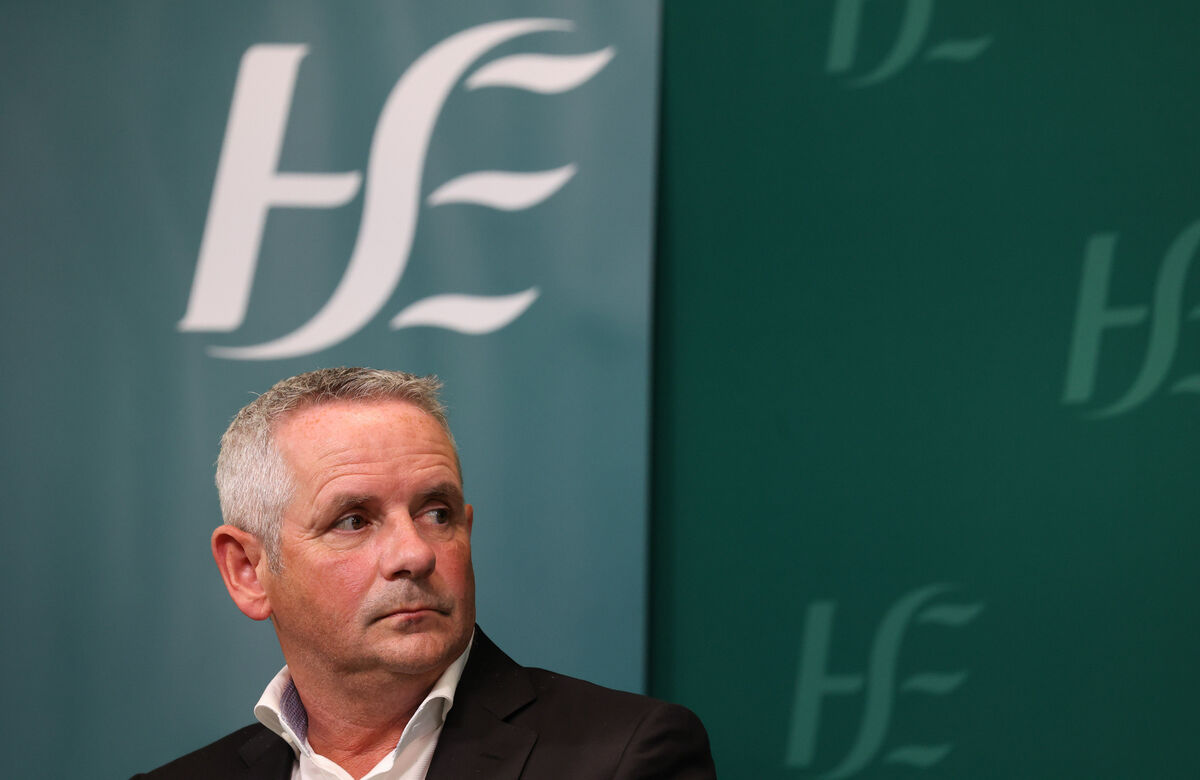
Hospitalisations have hovered around the 300-mark during recent weeks, but Mr Reid said that the success of the vaccination rollout meant this number would likely decrease in the near future.
At present, Mr Reid said, hospitalisations were "stabilised" and beginning to "trend downwards."
"We would expect to see the numbers to come down," he told on Sunday.
Mr Reid said the initiatives put in place by the health service last winter - namely, infection prevention control systems, dual treatment pathways, emergency services for covid and non-covid patients, and isolation for Covid patients - would again be put in place this year.
On the topic of schools, Mr Reid acknowledged that there were "disproportionate" levels of the virus among young people currently, particularly with more and more people in older age groups vaccinated now against the virus.
But Mr Reid said the positivity rate in this age group had dropped from the low-teens to 7% this past week, and that rates of virus transmission in schools were still lower than in the wider community.
He also said that the rule of keeping schoolchildren who were close contacts of confirmed cases at home for two weeks was probably "not necessary", and that Nphet was monitoring the matter closely.
Earlier this week, the HSE estimated that there were around 12,000 children out of school for this reason.
This was only a "small percentage" when compared to the overall school population of nearly 1.3m, Mr Reid said.
"We need to balance what’s necessary and what’s proportionate.
"There’s no doubt these are difficult considerations, but the impact of having children out of school, where it’s probably unnecessary, and the wider impacts on their social development have to be considered too.
"Certainly the strong view from the public health teams is it is time to look at this policy and Nphet are doing that," he added.


CONNECT WITH US TODAY



Be the first to know the latest news and updates