WHO calls for unity in preventing severe illness and death from Covid-19
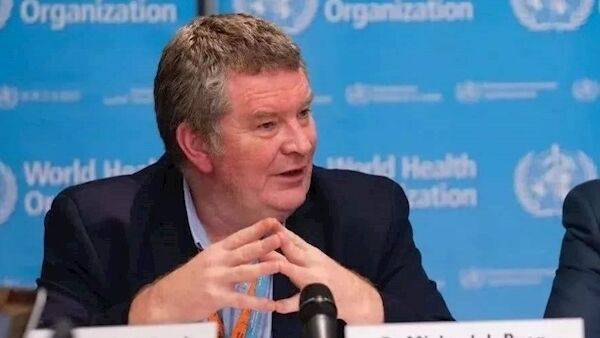
The WHO's Dr Mike Ryan said there were many actions governments can take to reduce the tragic losses of life. These include 'the rollout of vaccines in a more equitable way', controlling variants and keeping strong public health measures. File picture
It is not too late to end this pandemic if governments come together to tackle severe illness and death from Covid-19, a senior World Health Organisation official has said.
A public briefing heard the “public health emergency” could be faced down if countries work together.
Dr Maria Van Kerkhove, WHO technical lead on Covid-19 said: “We missed the opportunity to eliminate, we missed that opportunity very early on in this pandemic. This pandemic did not need to be this bad.”
However, she said: “It’s not too late to turn it around, to take the death, to take the severe disease and death out of this pandemic. We can do that right now.”
Dr Van Kerkhove said eliminating the virus was not possible but targeting the worst aspects of the emergency is possible. This would mean stopping people getting severely ill from the virus or dying.
“One thing I would ask right now is if we could have all the global leaders come together with a common goal. We do not have that,” she said.
She urged governments to act, saying: “We just need to come together.”
Dr Van Kerkhove’s position was supported by Dr Mike Ryan, the Irishman heading up the WHO’s emergency response to Covid-19.
“I fully expect that this virus will continue to transmit for a very long time,” he said.
“The question is whether it is still causing a public health emergency. That is determined by how many people it is making severely ill, how many people the virus is killing and to what extent we control transmission.”
He said there were many actions governments can take to reduce the tragic losses of life.
These include “the rollout of vaccines in a more equitable way”, controlling variants and keeping strong public health measures.
“If we can bring the death and hospitalisation, the tragedy of this pandemic to an end, then I consider the pandemic to be over as a public health emergency,” he said.
He said work being done to analyse variants is very important to give governments and the public a sense of perspective on where the virus is going.
“Not every variant means the sky is going to fall in, each variant needs to be looked at in terms of potential to cause severe disease, its potential to transmit,” he said.
Dr Van Kerkhove also said the WHO would issue a formal definition of long Covid next week.
She said: “There is a lot of work we have been doing. This post-Covid condition, this long Covid affects many organs of the body.”
There is no doubt the condition is "real" she said, explaining that a definition has taken time to resolve as there are so many linked symptoms.
CONNECT WITH US TODAY



Be the first to know the latest news and updates