WHO and Unicef say schools must stay open
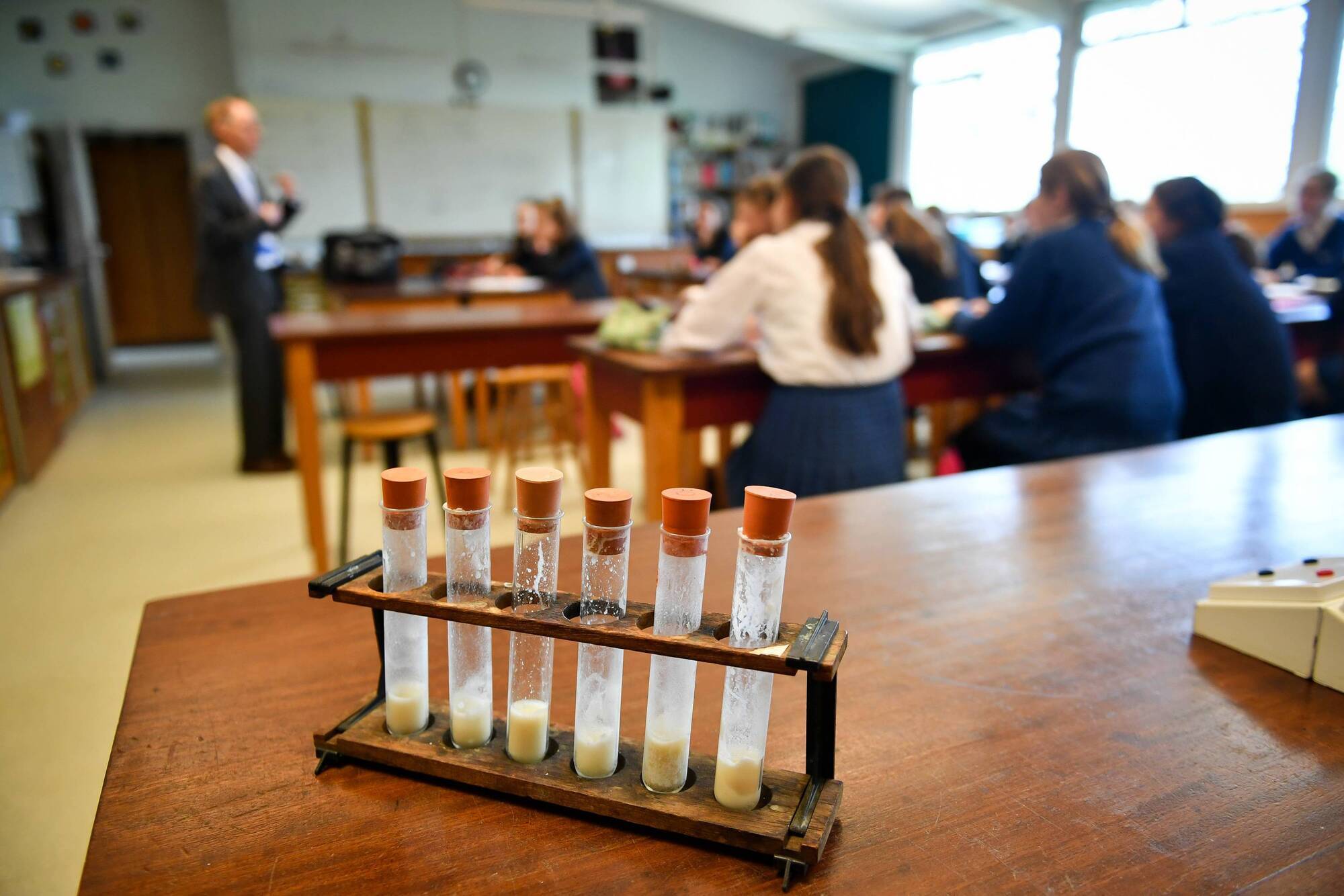
Of the 53 countries in the WHO’s Europe region, 44 closed their schools nationwide at the height of the pandemic’s first wave in April 2020. Picture: Ben Birchall
Schools across Europe must stay open and be made safer for staff and children, the World Health Organization (WHO) and Unicef have demanded, as a new term gets underway with the highly transmissible Delta variant still dominant.
“The pandemic has caused the most catastrophic disruption to education in history,” said Hans Kluge, the head of the WHO’s Europe region. “It is vital that classroom-based learning continues uninterrupted.”
Kluge said that while the pandemic continues, “educating children safely in a physical school setting” is of “paramount importance for their education, mental health and social skills”, and must become “a primary objective” for governments.
Of the 53 countries in the WHO’s Europe region, 44 closed their schools nationwide at the height of the pandemic’s first wave in April 2020, and while most reopened that September, surging infection rates sparked new restrictions and more closures in dozens of countries during the autumn and winter.
Mass absences and frequent school closures have continued in several countries through the spring and early summer.
“We encourage all countries to keep schools open, and urge all schools to put in place measures to minimise the risk of Covid-19 and the spread of variants” throughout the new school year, Kluge said in a joint statement with the deputy regional director of the UN children’s fund for Europe and central Asia, Philippe Cori.
The two organisations said teachers and other school staff must be primary target groups for national vaccination programmes, adding that all children aged 12 and over with underlying health conditions should also be inoculated.
School environments should also be made safer by improving classroom ventilation, reducing class sizes where possible, maintaining physical distancing rules and regularly testing both pupils and staff, they recommended.
“The pandemic is not over,” Cori said.
Schools are “places of learning, safety and play at the heart of our communities”, he said.
“When they close, children miss out on learning and being with their friends, and may be exposed to violence in the home. We must ensure they reopen, and that they stay open safely.”
The highly transmissible Delta variant has added an extra layer of concern and complication to the new school year, the organisation said, with the continuing high incidence of the virus in the community making transmission in schools more likely.
“Vaccination is our best line of defence against the virus, while continuing to continue to follow the public health and social measures we know work, including testing, sequencing, tracing, isolation, and quarantine,” Kluge said.
“For the pandemic to end we must rapidly scale up vaccinations fairly in all countries, including supporting vaccine production and sharing,” he said.
Data “clearly showed” that being fully vaccinated significantly reduced the risk of severe disease and death.
The two organisations announced a set of eight recommendations including ensuring schools were “among the last places to close and the first to reopen”, implementing effective testing, risk mitigation and vaccination strategies, and protecting children’s mental and social wellbeing.
CONNECT WITH US TODAY



Be the first to know the latest news and updates