Q&A: Back to school – what parents need to know about Covid protections
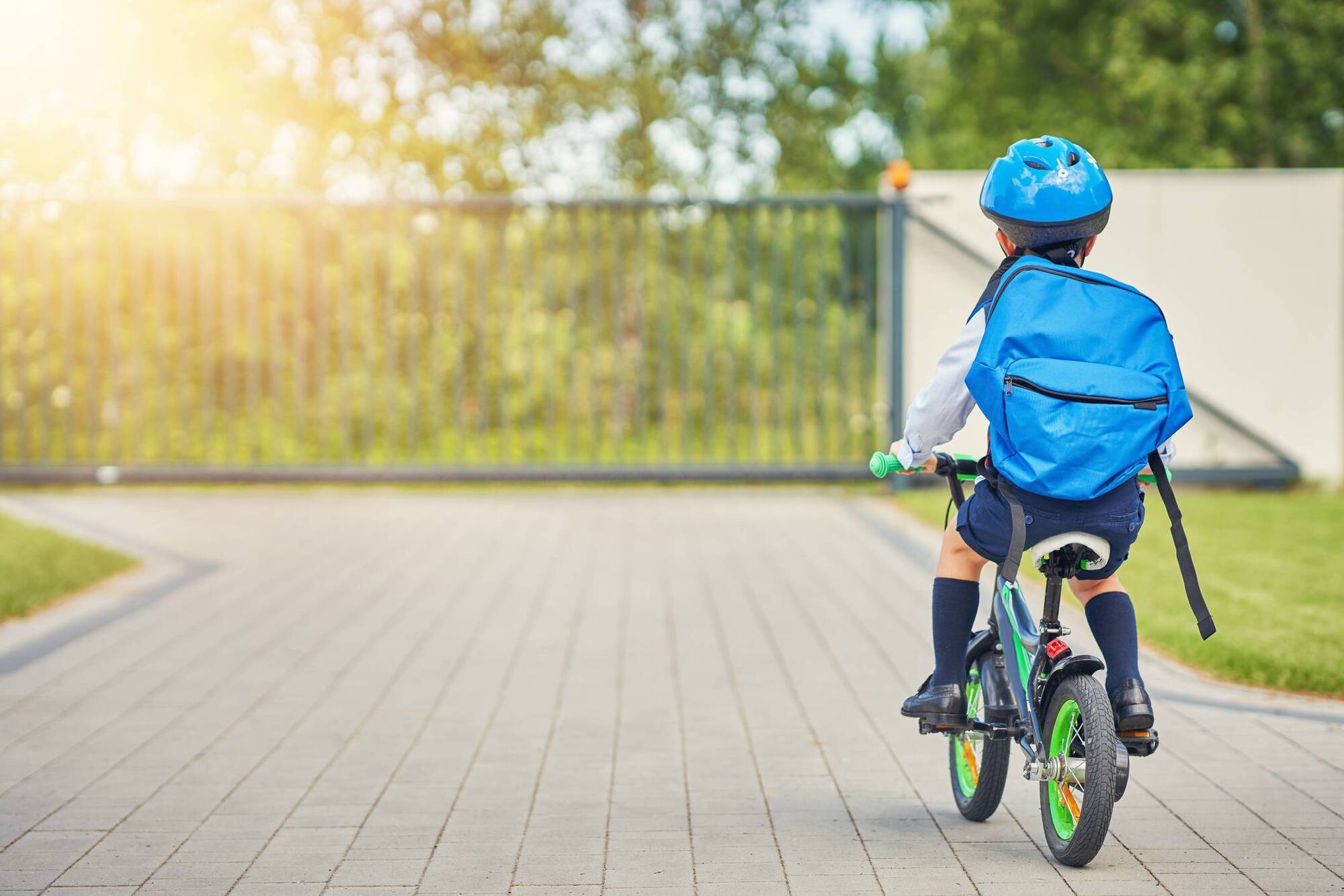
Families being told to limit their contacts while their child shares a class with dozens of other students every day has been one of the more confusing messages of the pandemic. Picture: iStock
The schools' strategy focuses on making sure children with Covid-19 symptoms don’t attend school, that there is rapid identification of children who develop symptoms in school, and a focus on physical distancing, hand and respiratory hygiene and good ventilation.
These measures are based on “copper-fast principles that have stood the test of time in terms of infection prevention and control”, according to Dr Abigail Collins, a consultant in public health medicine and the HSE schools lead.
“Obviously, all of those things we asked to be put in place in school settings, and many other settings, very early on in this pandemic."
Bar the introduction of C02 monitors to help schools monitor ventilation, safety measures in schools will stay the same as last term. Dr Collins said no extra measures were needed, bar those already in place.
“Our objective always was to look at how the virus transmits and put in the infection prevention controls, that would make that much less likely to happen.”
Public health doctors monitoring outbreaks in schools saw “remarkably little” change in close contact positivity, that is the number of close contacts who go on to test positive for Covid-19, between the first term of school, and the second. This was despite the advent of the more infectious UK variant in December.
In the case of newer, more contagious variants, adhering to those measures becomes even more important.
“Your wiggle room for non-compliance decreases," said Dr Collins.
"It's not necessarily that there is anything that we decided not to include in the start or anything sort of new and fancy out in the field to bring in, it's more like actually, these are the things that work, and you need to do them even better if something is more infectious.
This includes availing of vaccination when it is offered to a student and minding exposures outside of school, particularly indoors.
“Think about who you're meeting and where you're meeting people. The more people you meet, the more chances you have, particularly in certain indoor settings."
Families being told to limit their contacts while their child shares a class with dozens of other students every day has been one of the more confusing messages of the pandemic.
Dr Collins understands this. “We know that schools have been one of the most moderated environments that we have in terms of public health input."
It's not like mixing in an environment where there are no control measures, such as a nightclub.
"You definitely are meeting more people if you're going to school, but that's why the recommendations for the infection prevention control measures have been made very explicitly to schools, and their implementation is really important.
"We know from all the data and monitoring that we've been doing, and internationally it’s been identified, that schools are lower-risk settings for the onward spread of Covid-19. So yes, they are mixing, but it's really important for education and psychosocial development.”
A Public Health Risk Assessment (PHRA) is undertaken regionally by public health departments for all educational settings where a confirmed case has attended whilst infectious. This PHRA determines close contacts. According to the HSPC, it is assumed they will have been within a closed space for at least two hours because of the length of the school day.
Symptoms of Covid-19, including Delta, include fever with a temperature of 38C or above, any type of new cough, shortness of breath, breathing difficulties, aches and pains, or loss or change to their sense of smell or taste.
Other uncommon symptoms include sore throat, headaches, runny or stuffy noses, feeling sick or vomiting, and diarrhoea.
“If you have them, don't ignore them, even if you don't feel unwell with them, just don't ignore them," said Dr Collins.
"Contact your GP, and if you are worried your child has Covid-19 but doesn’t have any clear symptoms, keep them at home.
“Observe them, contact your GP, and have that discussion with them.”
Currently, there is no requirement for younger students to wear face coverings in school. However, this doesn’t stop any parent from deciding their child should wear a face covering.

CONNECT WITH US TODAY



Be the first to know the latest news and updates