Almost half of overweight children do not have condition notified to family doctor
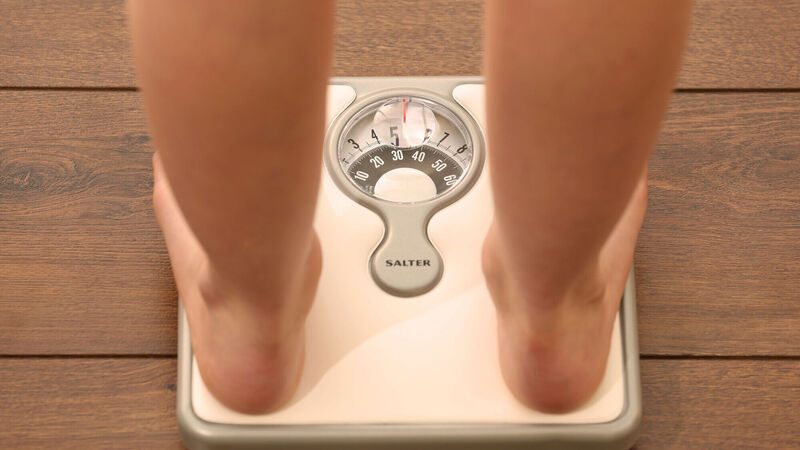
Overall, 27% of children attending the clinic were either overweight or obese. Stock image
Almost half of all children who are classified as overweight and obese during hospital appointments do not have their condition notified to their family doctor.
A new study published in the latest edition of the has expressed concern that further research is required to ascertain what barriers exist to greater discussion and communications between hospital and family doctors over children with weight problems.
The study also noted that information on weight and body mass index (BMI) was rarely shared with children and their parents or guardians.
It followed a finding that only 57% of GPs were notified about the height and weight or BMI of children in their care after a hospital outpatient appointment.
Current guidelines recommend growth measurement should be standard practice with each professional paediatric contact.
Records indicate a discussion with children and their carers about their growth was only held in 16% of cases at outpatient clinics.
The study examined children who were admitted to the general paediatric outpatient department at Temple Street Children’s Hospital in Dublin between January and February 2020.
It showed the child’s weight or BMI – a measure of a person’s body fat which is based on their weight relative to their height – was also only communicated to the hospital in 14% of referral letters.
Overall, 27% of children attending the clinic were either overweight or obese.
However, the main reason why the vast majority of these had been referred to the outpatients department was unrelated to their weight.
Among children with a high BMI, the study found 47% of children were overweight and 40% were obese.
More than one in 10 were classified as severely obese while just under 2% had morbid obesity.
The average age of the children was just under nine years.
One quarter of all children came from disadvantaged areas, while one in 5 came from affluent areas.
It is estimated that 19% of children in primary schools and 26% of adolescents in Ireland are either overweight or obese.
However, the study said the proportion of children attending hospital had higher levels of being overweight and obese than the general population.
One third of children who had their weight discussed with them were provided with general lifestyle advice only.
Just under a quarter were referred to a hospital weight management service, while a further 11% were already attending such a service or had an appointment to be seen.
One of the study’s main authors, Jessica McGirr of Children’s Health Ireland at Temple Street Hospital, said the ultimate aim of the research was to facilitate earlier detection and opportunities for early intervention for children who were overweight and obese.
Dr McGirr said the introduction of electronic records which automatically calculate BMI figures provide healthcare staff with a valuable new resource to help achieve that objective.
“Additional education of healthcare providers is necessary to develop standardised procedures around the processes for referral, clinical encounter and post-clinic reactions related to child growth,” Dr McGirr said.
CONNECT WITH US TODAY



Be the first to know the latest news and updates