Almost two-thirds of people think being treated for a mental health issue is seen as a sign of failure
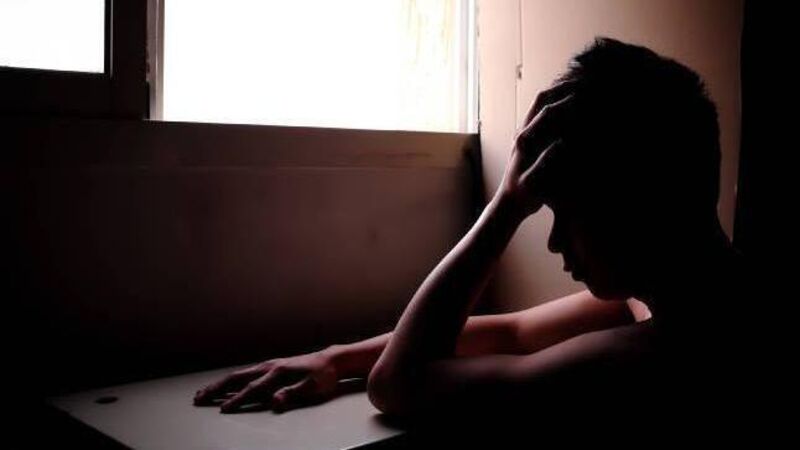
41% of adults questioned said they have been treated for a mental health difficulty. File photo: iStock
As many as two thirds of people believe being treated for a mental health difficulty is seen by Irish society as a sign of personal failure, in spite of a spike in people seeking help since the start of the pandemic.
A survey of almost 850 people carried out for St Patrick’s Mental Health Services has found that one-quarter of respondents are experiencing mental health difficulties for the first time since the outbreak of Covid-19, while 43% said they themselves, or a family member, have sought mental health treatment or support during this period.
Overall, 41% of adults questioned said they have been treated for a mental health difficulty – representing an increase of 6% from last year’s findings and a 16% increase since 2019.
The survey also highlighted the problems of stigma which many believe persists around the issue of mental health.
Two-thirds of those questioned said they believe that being treated for a mental health difficulty is still seen by Irish society as a sign of personal failure, and 16% would consider it a sign of weakness if they sought help during the ongoing pandemic.
Just under two-thirds of respondents said they are afraid of experiencing mental health difficulties themselves in the future, while 58% are concerned about theirs, or a family member’s mental health due to Covid-19.
However, the survey also found that 72% of respondents believe Irish society is more open to talking about mental health issues since the onset of the pandemic, while 51% have introduced new ways to support their mental health and wellbeing since Covid-19 emerged, including increased time outdoors and taking up a new hobby. In addition, just under half of those polled said they believe that the easing of restrictions has positively impacted their mental health.
Another trend to emerge in the annual poll was a rise in the number of people who do not believe having a mental health issue should prove an obstacle to career progression or discussing such an issue with their employer. More people than in previous surveys also said they would have no difficulty with having as a friend someone with a mental health difficulty.
St Patrick's recently published a survey of parents' views on the impact of the pandemic on the mental health of their children and this latest poll also found that 23% of parents to under-18s have sought mental health support for their child (a 7% increase since 2020). Of these parents who have sought support, 57% have had their child diagnosed with a mental health difficulty – an increase of 20% since 2020.
We’re sharing a helpful list of mental health tips, resources and sources of support that #parents, #teachers, and #youngpeople might find helpful. @shelsfc #YouthDay https://t.co/g9y1bKyS56
— St Patrick's Mental Health Services (@StPatricks) August 12, 2021
Almost two-thirds of parents said they are concerned about the long-term impact of the pandemic on their child’s mental health, while 49% of parents believe that lockdown restrictions have negatively impacted their child’s mental health – a 15% increase since 2020, coinciding with the introduction of ongoing restrictions since March last year.
Paul Gilligan, Chief Executive, St Patrick’s Mental Health Services, said: "Despite the many challenges brought on by Covid-19, this year’s findings also demonstrate the incredible resilience of Irish society and their readiness to look on the positive side of what has been an especially difficult 18 months."
CONNECT WITH US TODAY



Be the first to know the latest news and updates