Covid hotspots emerge in parts of Europe

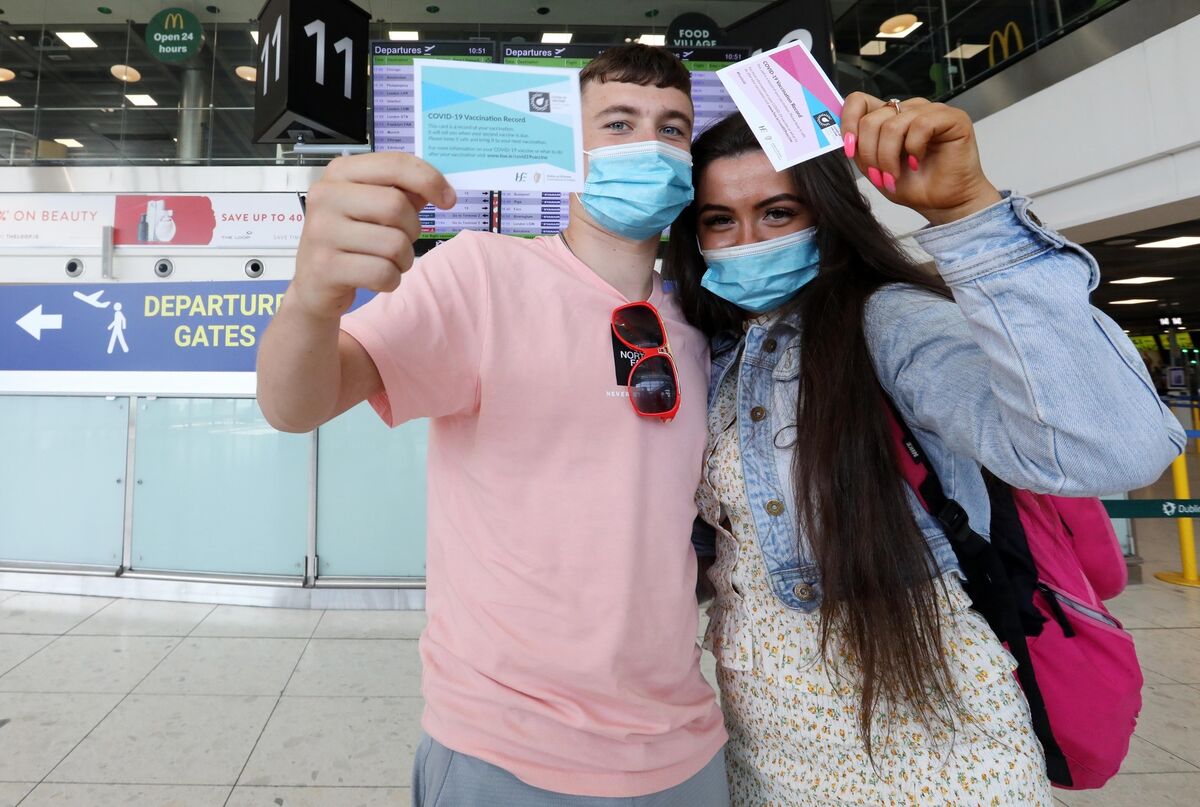
Irish holidaymakers can now avail of an EU digital Covid cert if they are fully vaccinated, have recovered from Covid, or have a negative PCR test, which opens up a host of holiday options now that non-essential travel is permitted.
As travel restrictions ease this week, holidaymakers will still need to exercise caution as Covid-19 levels remain high in several parts of Europe, including popular sun destinations, such as Cyprus, Spain and Portugal.
Irish holidaymakers can now avail of an EU digital Covid cert if they are fully vaccinated, have recovered from Covid, or have a negative PCR test, which opens up a host of holiday options now that non-essential travel is permitted.
Russia is the only country in Europe on the Government’s list of 'designated states' requiring mandatory hotel quarantine.
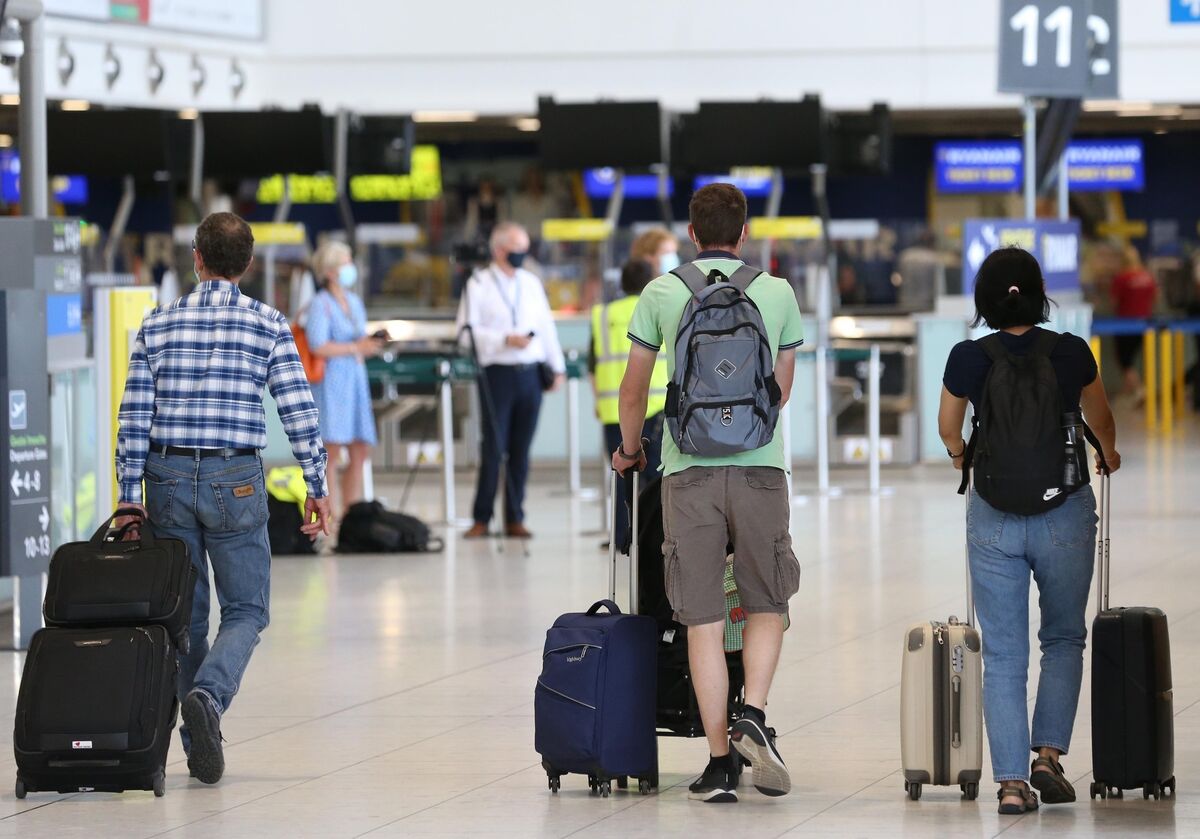
While the more infectious Delta variant is surging at home and in the UK, it has also led to local and regional restrictions in some parts of Europe, where Covid-19 hotspots are now evident.
Cyprus, for example, currently has the highest Covid infection rate in Europe at 1,068.35 cases per 100,000 population as of July 15 – the latest data available from the European Centre for Disease Prevention and Control (ECDC) – with more than 850 new cases on Monday.
ECDC data also shows high Covid infection rates in Spain (377.08 cases per 100,000 population), Portugal (333.21 cases per 100,000 population), and the Netherlands (304.38 cases per 100,00 population).
In Spain, more than 23,000 new cases were confirmed on Saturday, where regional and local restrictions may apply, such as a curfew on nightlife from 1am to 6am in the Catalonia region.
In Portugal, where new case numbers exceed 3,000 per day, a daily curfew from 11pm to 5am is in place in areas considered high risk and very high risk, which include the major cities of Lisbon and Porto.
In the UK, where all restrictions are being lifted in England from this week, new daily case numbers remain close to 50,000.
The Delta variant is also rising in other countries such as France, where more than 12,500 new cases were reported on Monday.
The Department of Foreign Affairs has urged holidaymakers to plan ahead and be prepared for new restrictions or travel requirements if the Covid situation changes while abroad and to check https://www.dfa.ie/travel/travel-advice/coronavirus/general-covid-19-travel-advisory/ for information and updates.


CONNECT WITH US TODAY



Be the first to know the latest news and updates