Guidelines lack 'sensitivity' to detect early vaccine-related clotting
Dr Michelle Lavin, lead author of a scientific paper, said the risk of developing a blood clot from the AstraZeneca vaccine is still far lower than the risk of clots from Covid-19, but added it was “imperative” that clinicians are vigilant.
Current guidelines "lack the sensitivity" to detect early cases of rare clotting events related to the AstraZeneca vaccine, new research has found.
The work, led by researchers from the Royal College of Surgeons in Ireland (RCSI) and the National Coagulation Centre at St James’s Hospital, highlights the need for increased vigilance and early testing for patients.
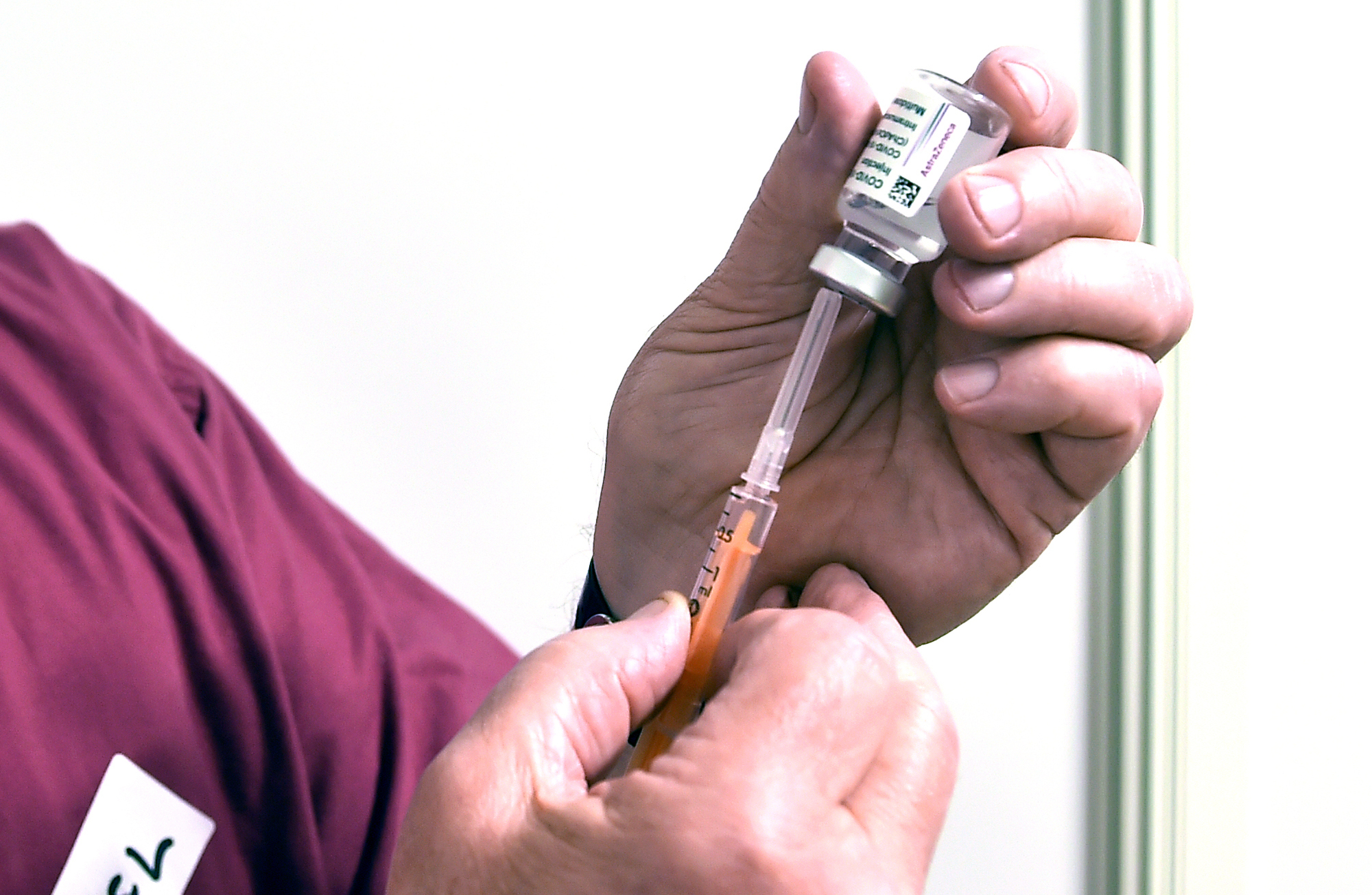
Unusual blood clots with low blood platelets have been recognised as a very rare complication of the AstraZeneca vaccine.
The study, published in the , highlighted four patients who had clotting complications induced by the vaccine, but would have been classified as a “low likelihood” for the syndrome under current guidance.
Due to the increased awareness and clinical vigilance from the medical teams involved, all were sent for testing early, diagnosed and treated successfully, the study said.
Dr Michelle Lavin, lead author of the paper, said the risk of developing a blood clot from the vaccine is still far lower than the risk of clots from Covid-19, but added it was “imperative” that clinicians are vigilant.
“As our understanding of this novel condition evolves, heightening our clinical awareness can improve outcomes for patients through early testing and treatment.”
The National Immunisation Advisory Committee (Niac) has recommended that the AstraZeneca and Johnson & Johnson vaccines can be administered to 18 to 40-year-olds, subject to consent.
Previously, these two jabs were recommended for over-50s only due to the rare blood clotting links.
Health Minister Stephen Donnelly said the HSE is currently working on the vaccination programme to incorporate the new recommendations.