One-third of asthma sufferers have never spoken to a healthcare professional
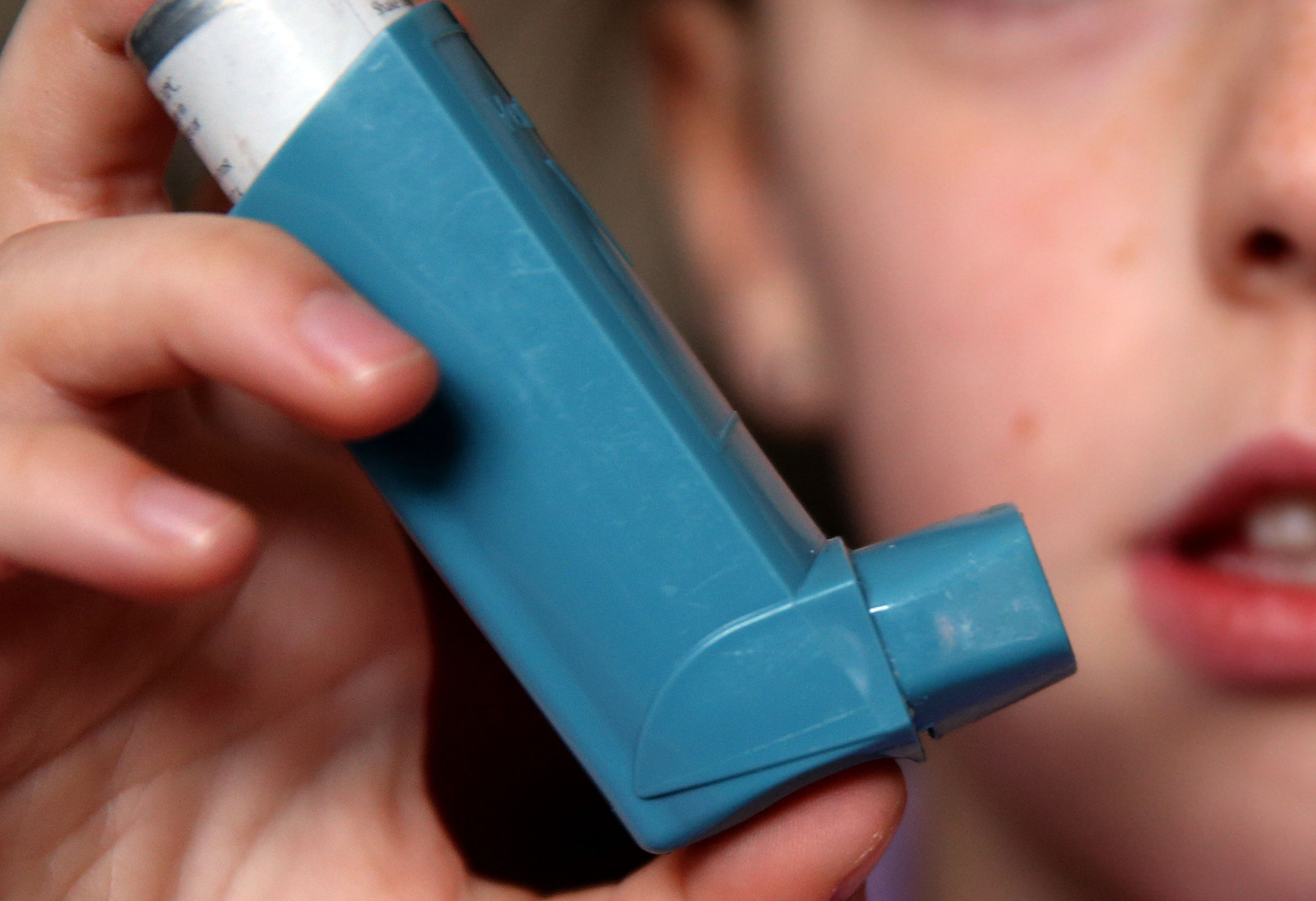
Half of the respondents had suffered an asthma attack in the last year. File Picture: Peter Byrne/PA Wire
Almost one-third of asthma sufferers have never spoken to a healthcare professional, despite experiencing frequent symptoms.
New findings published by the Asthma Society of Ireland show that large numbers of people with hayfever symptoms and allergies are not seeking help.
The survey was issued as part of a new campaign designed to raise awareness about the prevalence of symptoms.
Some 304,000 people in Ireland have both asthma and hayfever, which can affect one’s quality of life.
Of those diagnosed with allergies, the most common were pollen (63%) and house dust mites (56%). Over one-third of respondents reported an allergy to animal hair and over one-fifth reported allergies to certain foods.
Spring and summer are peak times for those with hayfever, with 51% of respondents confirming increased symptoms at this time.
Of the symptoms most frequently experienced by respondents, 92% reported the urge to sneeze or sneezing fits, 91% reported runny nose/rhinitis, 88% reported stuffy or itchy nose, and 74% reported itchy burning eyes. Fatigue was also reported by a large number of respondents.
The findings are a cause for concern, according to Dr Marcus Butler, respiratory consultant at St Vincent's University Hospital and medical director at the Asthma Society of Ireland.
“While the symptoms are frustrating for many, unmanaged hayfever or allergies can cause asthma symptoms to heighten and escalate into an asthma attack," he said.
"An asthma attack is a respiratory emergency that should be taken seriously by patients and carers.
The research also found that 50% of respondents had an asthma attack in the preceding year.
Respiratory nurse Ruth Morrow describes hayfever as “a blanket term used to describe seasonal allergies, often stemming from pollen in the air".
If left untreated, hayfever can lead to nasal congestion, postnatal drip, coughing, lower respiratory problems, sore throat, and headaches, among other symptoms.
Tips to manage hayfever, advised by the Asthma Society of Ireland, include keeping windows closed at night and at times of high pollen count, minimising time spent outdoors when the pollen count is high, staying away from areas with freshly-cut grass, and applying Vaseline around nostrils to trap pollen when outdoors.
Speaking with your healthcare provider about medication to reduce symptoms is also recommended.
- People can WhatsApp-message the Asthma and COPD patient support service on 086 059 0132 for any questions/queries on asthma, hayfever, and Covid-19 symptoms.
CONNECT WITH US TODAY



Be the first to know the latest news and updates