People calling for antigen tests are not 'nutters', says Simon Harris 
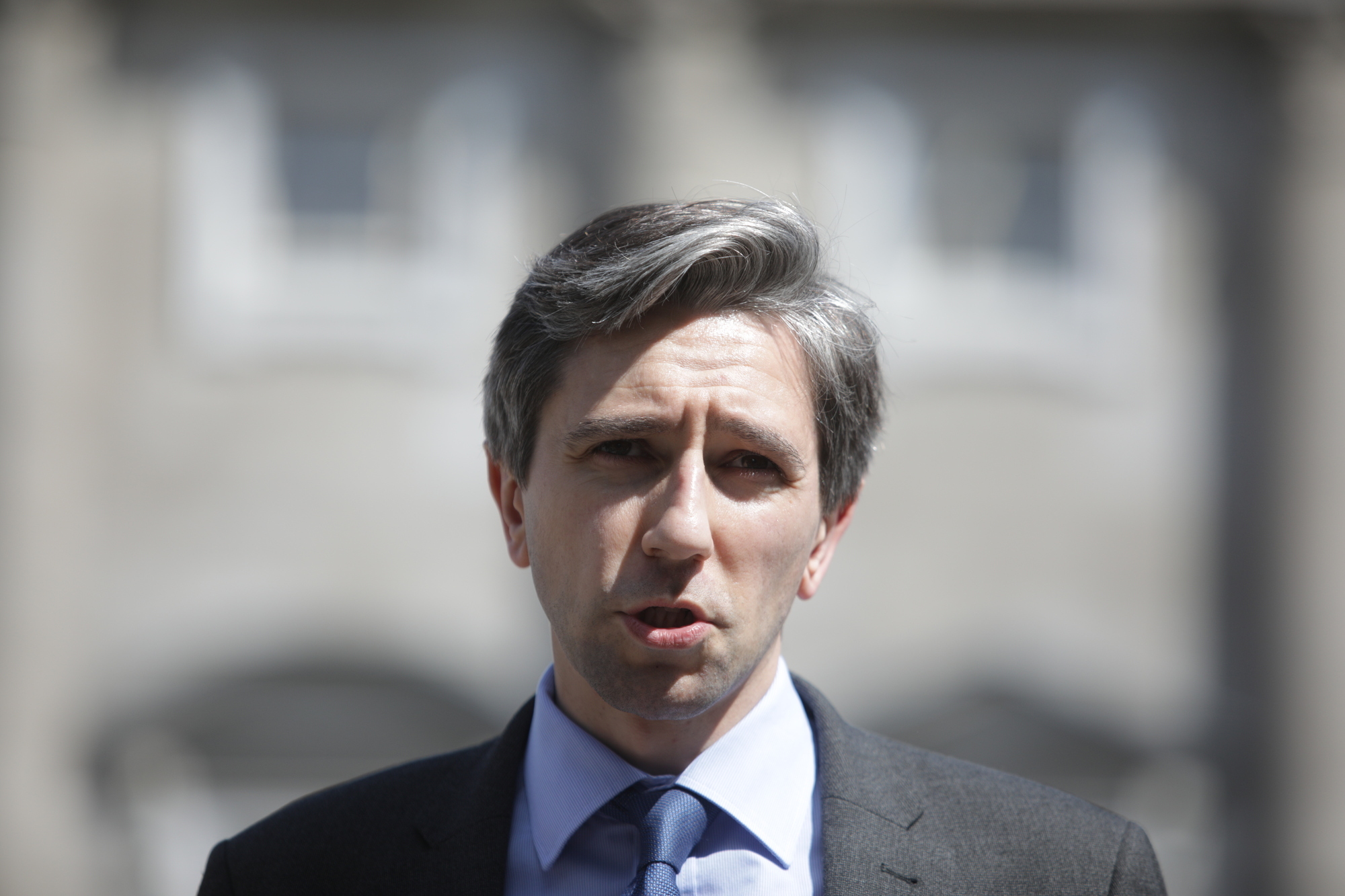
People calling for antigen tests are not 'nutters', says Simon Harris 

Higher Education Minister Simon Harris has said it is 'offensive' for public health officials to suggest people would manipulate rapid antigen tests. 

Higher Education Minister Simon Harris has said it is 'offensive' for public health officials to suggest people would deliberately manipulate the results of rapid antigen tests. 

The National Public Health Emergency Team has defended its cautious approach to antigen tests amid criticism that its stance was holding back a wider reopening of society, particularly the aviation industry. 

As part of the Nphet defence, consultant immunologist Professor Mary Keogan told an Oireachtas committee this week that antigen tests could be manipulated by rubbing butter and pouring tonic water on them. 

However, Mr Harris said this argument against the use of the rapid tests didn't stack up, describing it as “offensive” to the public. 

He said the public must not be spoken down to as if they do not understand the issue and that people’s only desire is to stay safe and keep their families safe.

“The one thing that I did find somewhat offensive, was this idea that the public will be looking to manipulate tests. The people I know in this country, only look to keep themselves and their family alive,” he said.

“And look to keep their businesses afloat and to look after each other. We shouldn't speak to the people in this country as though they are not smart enough to understand. I have yet to hear from a nutter on an antigen test,” he added.

Meanwhile, the Chief Medical Officer has said that Ireland is now experiencing "near elimination" of Covid-19 in the vaccinated population.

Dr Tony Holohan has said the incidence is dropping in the 50-65 age group who are in the process of receiving protection from full vaccination.

"Incidence is also reducing in most age groups, showing commendable compliance with public health measures as the vaccination programme is rolled out to more and more people," said Dr Holohan.

His comments come as the Health Protection Surveillance Centre has reported 373 new cases of Covid-19.

There are currently 54 Covid patients in hospital, of which 18 are in ICU. There have been three hospitalisations in the past 24 hours.

Nphet chair, Professor Philip Nolan said all indicators of the disease are improving all across the country. If things continue this way, he said the risk profile will alter for the better.

"In April/ May incidence was stable at 400-500 cases a day – this has now reduced to a five day average of 303," said Prof Nolan.

"Hospital admissions have reduced from 103 to 57 in the past two weeks."

Things will continue to improve if the vaccine uptake continues at the current rate and if new variants, such as the Delta, can be kept at bay.

Vaccine rollout reaching 'strong peak'

People aged between 35 and 39 will be able to register for their vaccines from Sunday

Around 61% of people in Ireland have had their first vaccine dose and 31% are fully vaccinated, according to the HSE chief executive.

More than 3.4 million jabs have been administered to date, including over 2.3 million first doses and 1.2 million second doses.

Paul Reid said the vaccine rollout is reaching a “strong peak”, with 320,000 doses set to be administered this week and around 300,000 next week.

However, he said those levels are set to drop in July, when the vaccine rollout moves to two supply lines, Pfizer and Moderna.

People aged between 35 and 39 will be able to register for their vaccines from Sunday but Mr Reid has warned that this will be “a slower age group to move through”.

Dr Holohan said those who have been fully vaccinated can safely resume normal life. They can meet other fully vaccinated people from up to two households indoors without masks or social distancing.

Fully vaccinated people can also meet unvaccinated people from one other household indoors and without masks.

Those who have not yet been fully vaccinated are advised to continue to wash and sanitise hands regularly, manage close contacts, avoid crowds, socialise outdoors and wear masks where appropriate.

Those people who have received their first dose of AstraZeneca are strongly urged to complete the process by getting their second dose.

Dr Ronan Glynn, Deputy Chief Medical Officer, said that recent advice from the National Immunisation Advisory Committee states that mixing vaccine doses is not recommended.

x

More in this section

Lunchtime News

Newsletter

Keep up with stories of the day with our lunchtime news wrap and important breaking news alerts.

Cookie Policy Privacy Policy Brand Safety FAQ Help Contact Us Terms and Conditions

© Examiner Echo Group Limited