Alone: Government must act to prevent homelessness among elderly
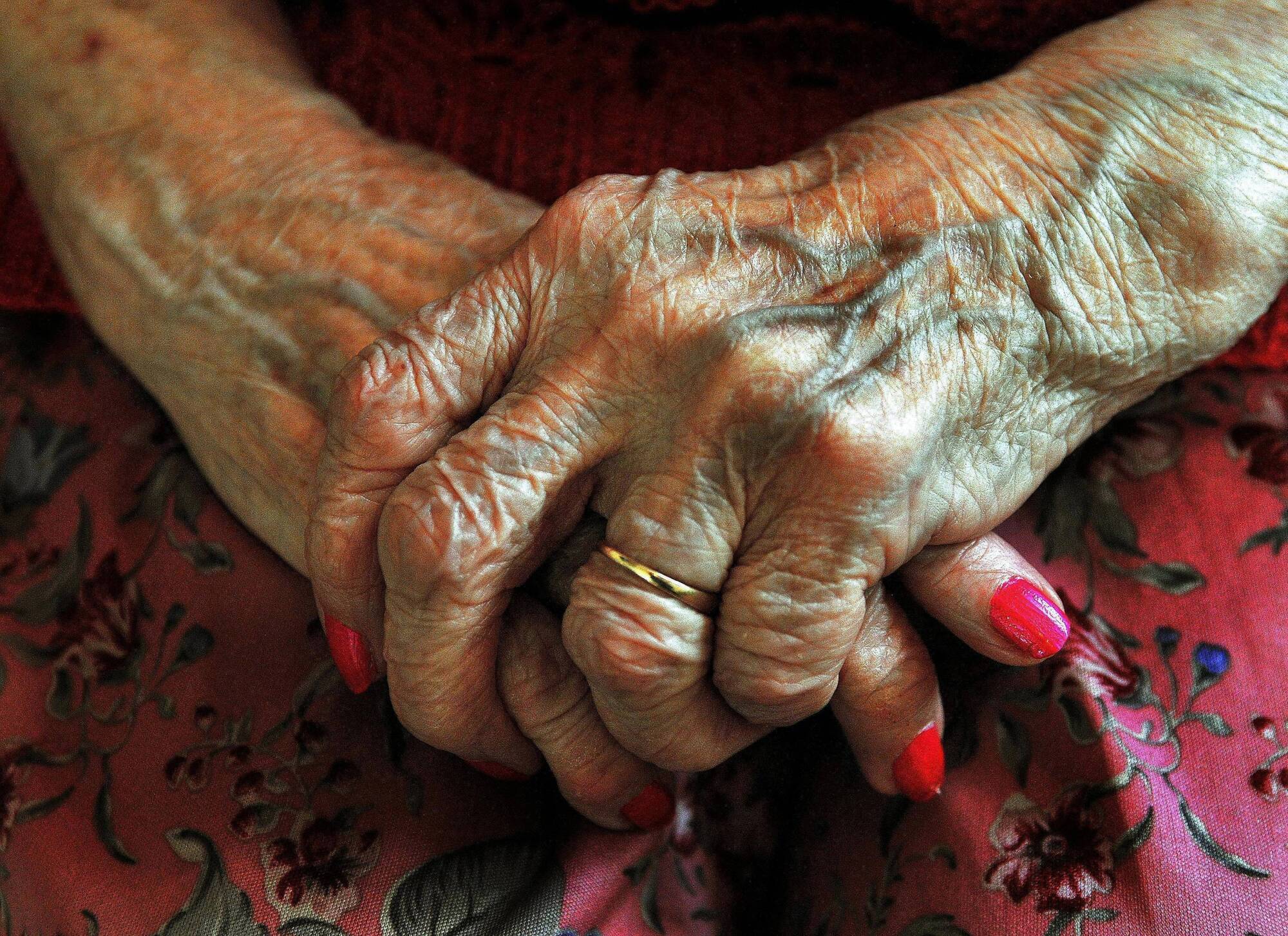
Nearly 60% of people aged 50 or over have reported experiencing housing problems, including leaks, rot, damp, mould, and structural problems, according to a recent study on ageing in Ireland. Picture: PA
The Government should provide secure, long-term rental tenure and increase social housing to prevent older people from entering homelessness, a charity has said.
In its submission to the Department of Housing on the new housing strategy, Alone said it was important to reduce the “catastrophic effects” the current housing situation has on the existing older cohort and the ageing population that follows.
Ireland’s population of people aged over 60 is expected to grow from just over 1m in 2021 to over 1.3m by 2031, according to the Central Statistics Office’s population projector.
Nearly 60% of people aged 50 or over have reported experiencing housing problems, including leaks, rot, damp, mould, and structural problems, according to a recent study on ageing in Ireland.
The charity outlined nine solutions to address the housing crisis in the midst of a growing and ageing population.
The Government should devise a long-term strategy to build the types of houses needed in every county, based on age and location demographics, and should fund mechanisms to ensure there is an investment in housing with onsite supports to allow older people to age at home, said Alone.
The organisation said the growing number of middle-aged people renting is a cause for concern, as these people are the "older people of tomorrow" and the current system does not, and will not, "shield" over 65s from homelessness.
"People in these age groups will struggle to buy and in twenty years’ time we could see a much higher proportion of over 55s living in the private rented sector," said the group.
The number of over 85s renting has increased by 50% over 25 years, according to the most recent census, with 1,771 people in this age group renting in 1991, growing to 2,642 in 2016.
In light of this, Alone said there is a need to provide a path towards long-term lease agreements to ensure security of tenure.
The charity also called for incentives for people to downsize, with 59,462 homes being needed for older people who choose to downsize their property as their children leave home and their needs change.
Furthermore, 45,905 housing units will be needed through social housing over the next 10 years and the housing adaptation grant requires an investment of €84.5m per year over the next 10 years to meet demand, the charity added.
Seán Moynihan, chief executive of Alone, said the country is heading towards generation after generation experiencing "intensive and preventable housing issues that are already worsening".
"These actions will make the best use of current stock, remove older people from insecure positions they are in, future-proof our housing stock, support younger people to get a home, help reduce the pressure in the rented sector, be more cost-effective when building the right units in the right place, and maximise cost versus benefit," he said.
Mr Moynihan said the actions will enable older people and future generations to “live in the community, with the additional support they need to live independently, or semi-independently”.
“These asks will future-proof the present, imminent, and next couple of decades of older people,” he added.

CONNECT WITH US TODAY



Be the first to know the latest news and updates