Research sheds light on microplastics danger to rivers
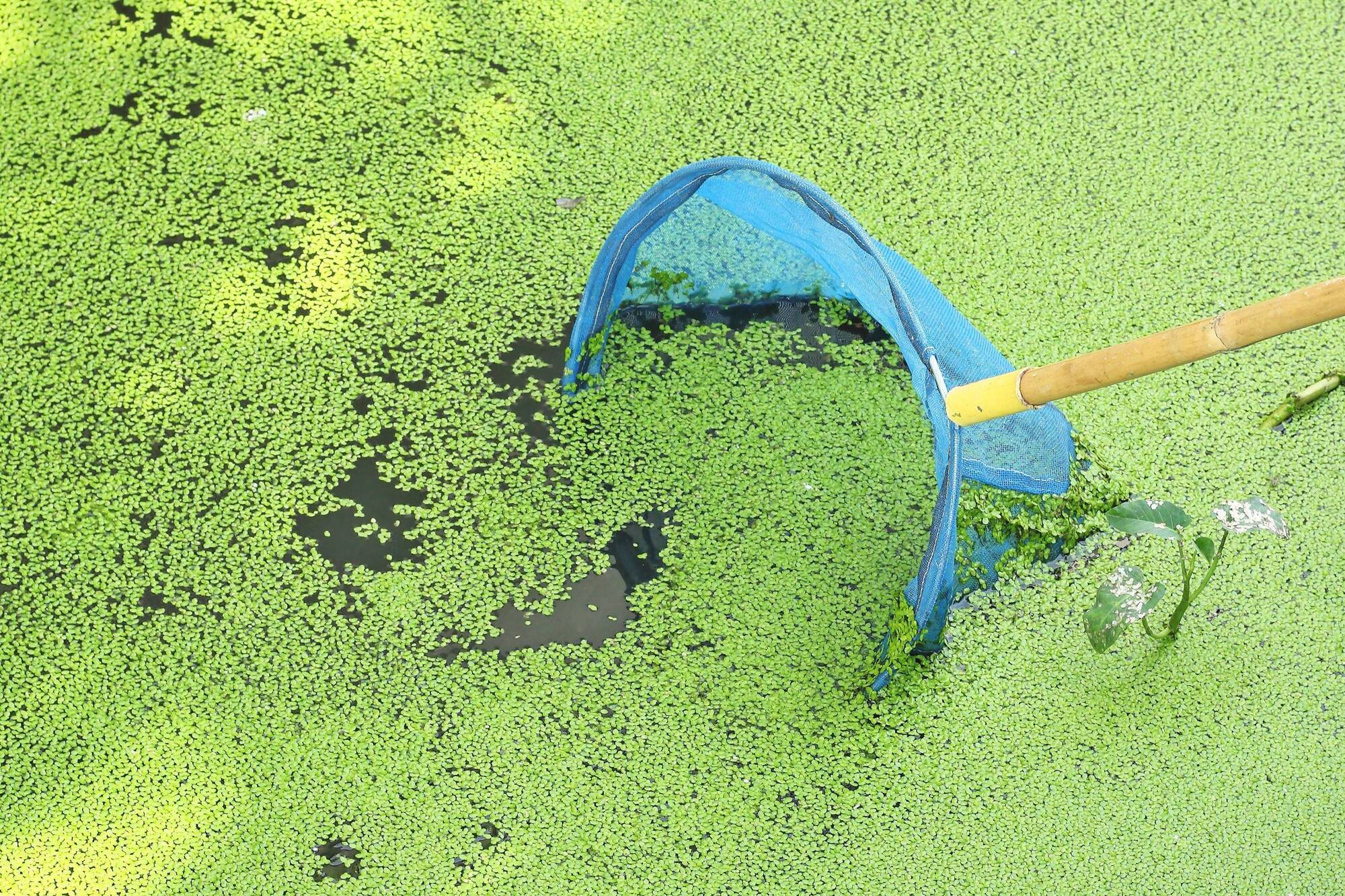
The research found that hundreds of small pieces of plastics can stick to just a few square millimetres of the surface of the freshwater plant duckweed. Photo: iStock/PA
New research from UCC has revealed the scale of the microplastics crisis facing our rivers.
Funded by EPA Research and overseen by Professor Marcel Jansen, the research found that hundreds of small pieces of plastics can stick to just a few square millimetres of the surface of the freshwater plant duckweed.
The team conducted lab experiments to examine what happens when a freshwater crustacean, Gammarus, a type of amphipod, feeds on duckweed and ingests these plastic particles.
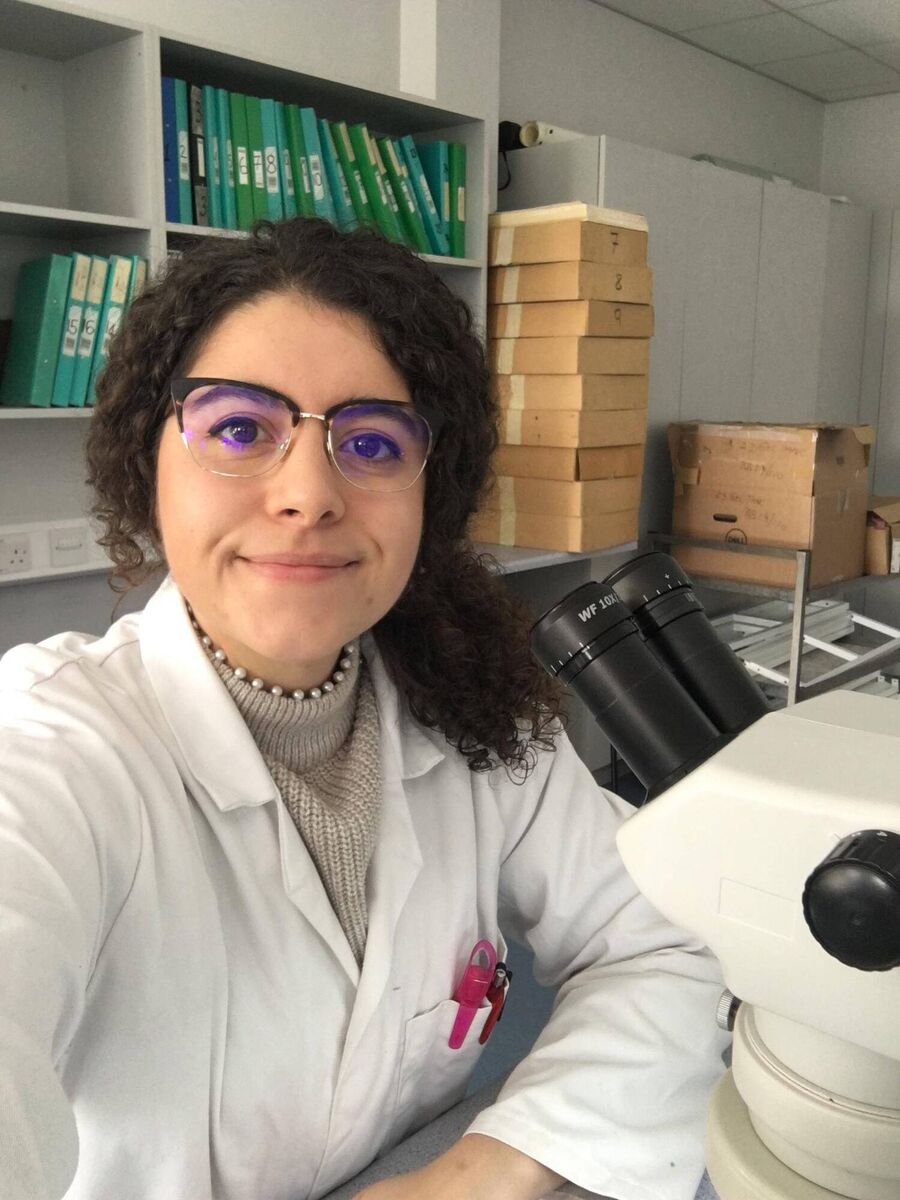
Investigations by Dr Alicia Mateos-Cárdenas, the PhD researcher on the project, found that once the microplastics were ingested, the amphipod broke them down into smaller particles, known as nanoplastics.
She said this is even more worrying because nanoplastics are small enough to enter living cells, potentially causing metabolic disruption.
And because Gammarus is at the base of the freshwater food chain, the microplastics can travel through the food chain, with potential repercussions for the entire food chain and ultimately, the human population.
“The finding that microplastics adhere to plant surfaces is alarming because other creatures are feeding on these plants and ingesting the microplastics,” Prof. Jansen said.
“Plastic fragments are now ubiquitous in the freshwater environment - not just in the water column but actually throughout, in the organisms.
"Once they are fragmented, there isn’t much we can do so we need to avoid these large pieces of plastic pollution ending up in the environment in the first place.
“That’s the only way to avoid pollution with micro and nanoplastics.
“As a society, we need to prevent plastic pollution of the environment by reducing, re-using and recycling plastics.”
Dr Mateos-Cárdenas said while the research was lab based, it proves that freshwater plants can absorb microplastics, that the animals that feed on those plants ingest the material, break it down and pass it through the food chain.
#GMITnews New GMIT study on European marine microplastic pollution published. The study outlines policy recommendations to mitigate plastic and microplastic pollution #pollution #microplastics #Europe
— ATU Galway City (@ATU_GalwayCity) May 28, 2021
More: https://t.co/xf3jFuPamF pic.twitter.com/Sj16aUcwqn
“We, both as individuals and those in industry, must try to eliminate plastics in the first place and move away from single use plastics, particular, “ she said.
A study from GMIT last month found that the predominant sources of plastics and microplastics in the marine environment come from the agriculture sector - plastic seed coatings, spreading of sludges from wastewater treatment plants and the use of plastic mulching; the shipping industry, with 1,816 containers lost at sea in 2020, and the fishing industry through abandoned, lost or discarded fishing gear.
Read More

CONNECT WITH US TODAY



Be the first to know the latest news and updates