Rare plant, animal and insect species return to Irish waters
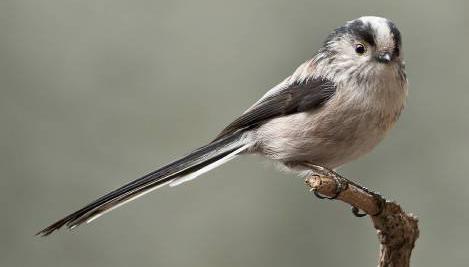
The Long-Tailed Tit has returned to some Irish waterways in recent times.
Rare species of plants, animals and insects have been making a comeback on water sites around the country as a result of increased sustainable practices, the country’s water utility company has said.
Irish Water will today launch its Biodiversity Action Plan in a bid to increase the return of rare or threatened species, as well as arresting the decline of Ireland's biodiversity.
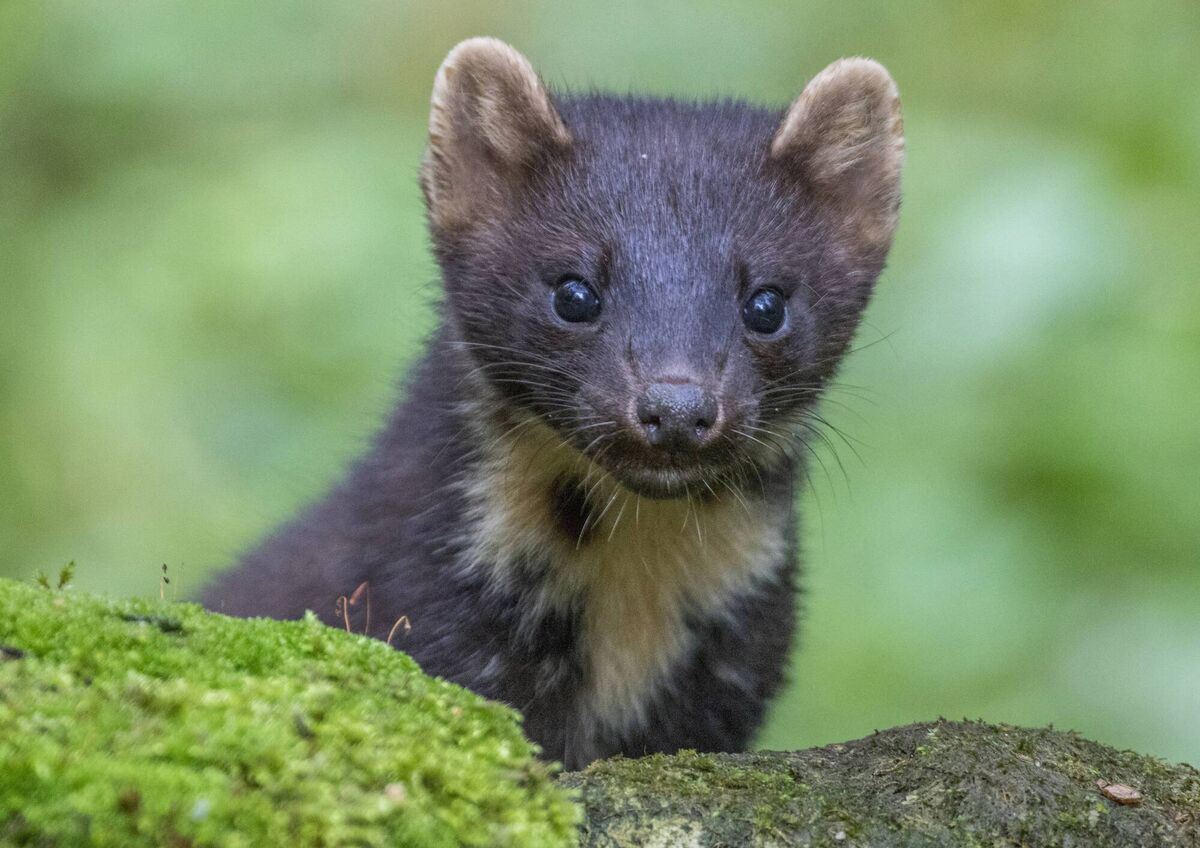
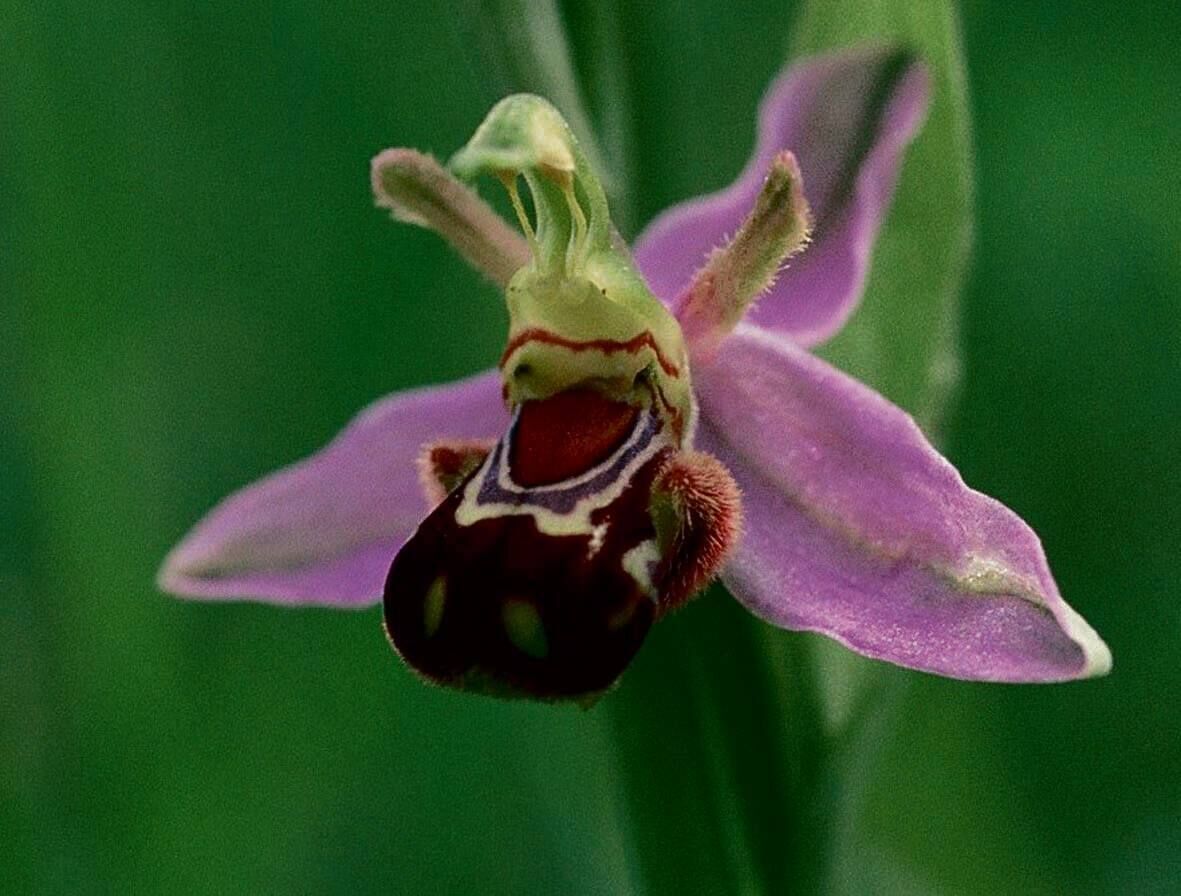
The utility said diverse species such as the long-tailed tit, otter, pine marten, and the bee orchid have returned to several Irish Water sites around the country in recent times.
This Biodiversity Action Plan, published on Friday, sets out Irish Water’s intention to help conserve, enhance and work with the natural environment as well as the strategic aims and the actions which will be undertaken to achieve them.
Biodiversity enhancement work at the 12-hectare Waterford Wastewater Treatment Plant includes woodland management and wildflower meadows that complement the adjacent Lower River Suir special area of conservation.
In Ballymore Eustace, the site of Ireland’s largest water treatment plant occupying 56 hectares, biodiversity enhancement measures have been in place for several years, with habitats including wildflower meadows and native woodland, while 5.27 hectares of native woodland is being planted at Lough Guitane Water Treatment Plant in Co. Kerry.
In the action plan, the utility pledges to introduce measures at all Irish Water sites that will enhance and protect biodiversity; raise awareness and provide educational supports in relation to biodiversity and ensure there will be “no net loss” of biodiversity when carrying out activities or delivering plans across its sites.
It will also implement actions from the All-Ireland pollinator plan across all Irish water sites, promote the use of nature-based solutions for water protection and wastewater treatment and manage invasive alien species.
Dr Brian Deegan, Irish Water Ecologist, said the utility recognises the need to increase and accelerate efforts to halt the decline of biodiversity.
“We are committed to ensuring that we build and manage our infrastructure responsibly so that our ecosystems are protected, and where possible enhanced,” he said.
“By working responsibly, we can all play our part to halt the decline of Ireland’s rich biodiversity. We have sites in almost every town and village in the country, spanning a wide range of natural habitats and it’s our responsibility to protect these healthy ecosystems that benefit us all.”
Dr Liam Lysaght, Director of the National Biodiversity Data Centre said Ireland’s rich biodiversity is under threat.
“It is very welcome to see public bodies such as Irish Water taking real steps to support biodiversity on their sites across Ireland.”
CONNECT WITH US TODAY



Be the first to know the latest news and updates