The false widow spider: What does it look like, where is it found and how likely is it to bite?
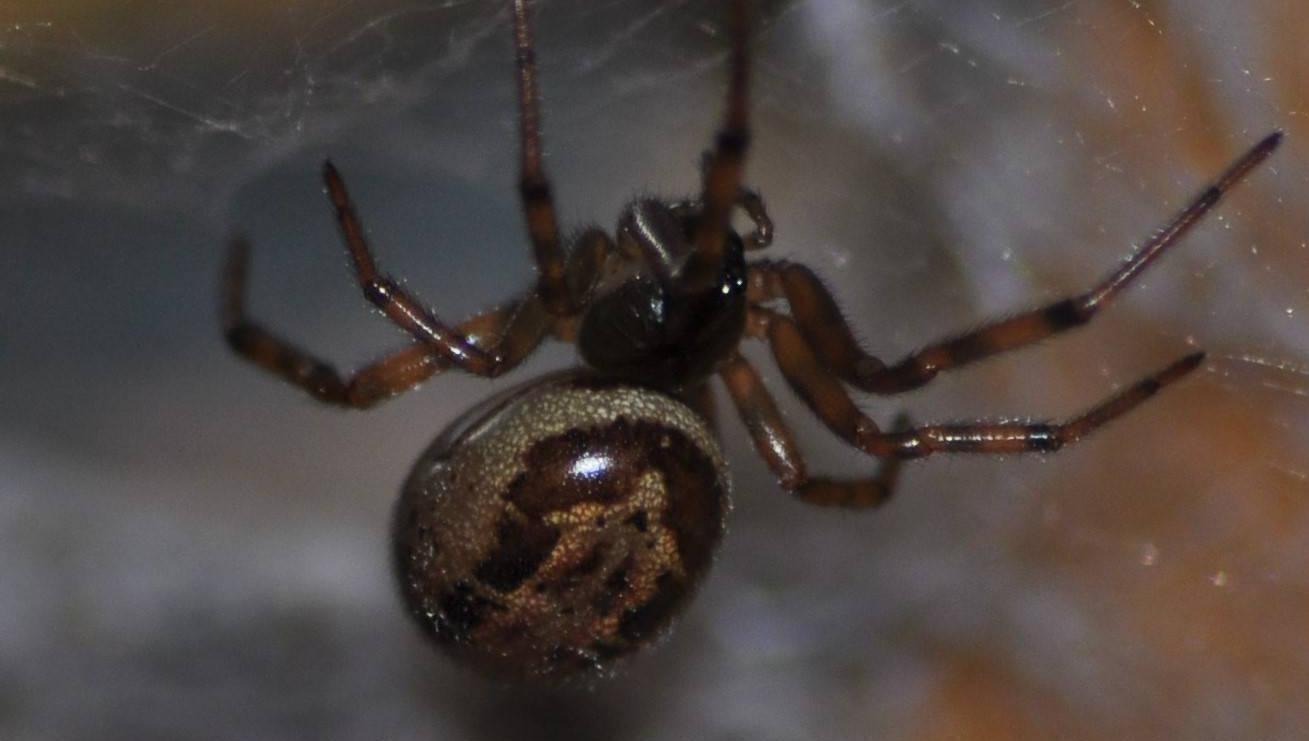
The venom of the noble false widow spider very similar to the venom of “true” black widow
Irish scientists have discovered that one of the nation’s most common spiders can deliver a venomous bite which can cause debilitating pain and land victims in hospital. But what do these spiders look like, where are they found and how likely are they to bite?
The Steatoda nobilis, more commonly known as the noble false widow spider, originated from Madeira and the Canary Islands, but can now be found throughout Europe, North Africa, West Asia and parts of North and South America. Unlike some other spider species, it is active all year round, has a five-year lifespan and produces 1,000 babies annually.
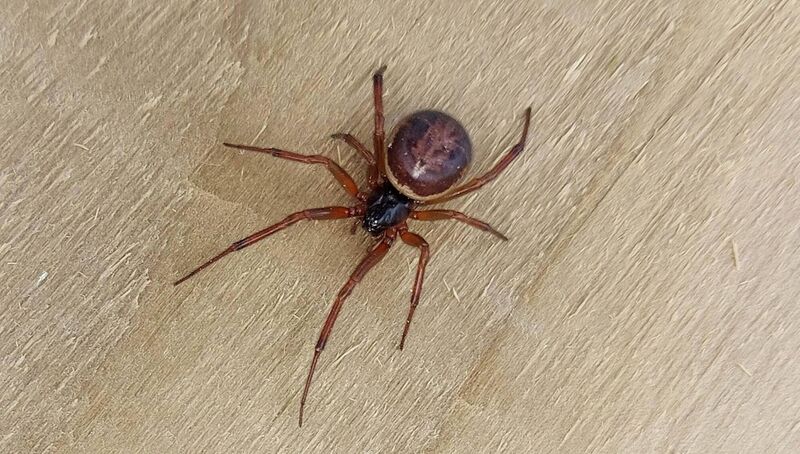
The noble false widow is very similar to the terrifying black widow spider, though instead of a dark, black bulbous abdomen, the noble false widow's body is brown, sometimes reddish brown, and has distinctive cream markings.
The female spider’s body length is between 7mm and 15mm, while the males are usually around 4mm to 7mm in length.
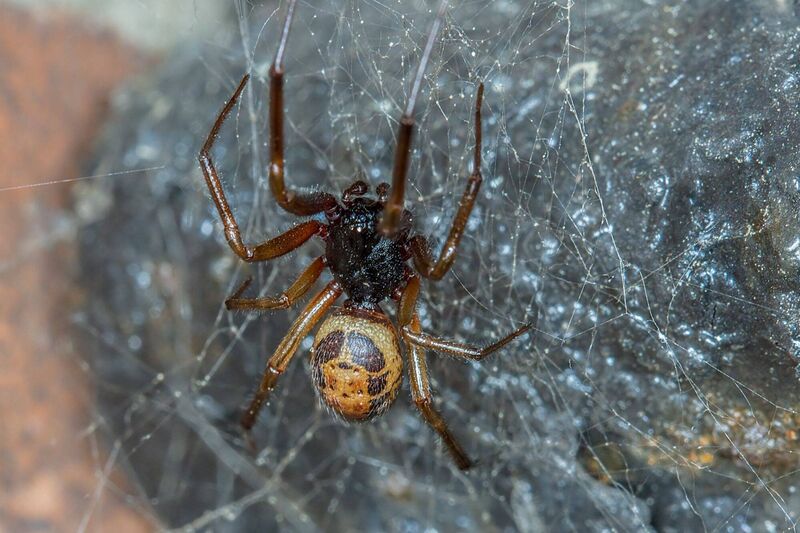
As previously noted, the spider is now common throughout the world. Two decades ago, the species was almost unknown in Ireland, but now it has become one of the most common species of spiders found in and around urban homes here.
The latest research suggests almost all victims of the Noble False Widow spider were bitten in their homes. A new study from NUI Galway found the vast majority of bites occurred when the victim was either asleep in bed or when the spider was trapped in clothing, with a number also occurring while the victims were performing DIY duties.
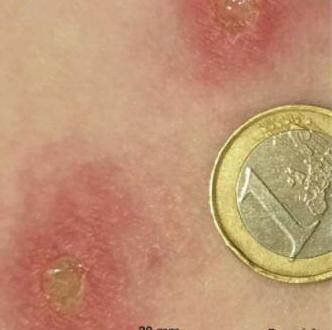
While Peter Parker developed superhuman strength, speed and reflexes from a radioactive noble false widow bite, unfortunately, you’re more likely to experience mild to debilitating pain, mild to intense swelling, reduced or elevated blood pressure, tremors and impaired mobility. In rare instances, victims have also developed minor wounds at the bite site or had to be treated for severe bacterial infections.
New research also shows 111 toxins out of 140 found in the Noble False Widow’s venom were common to those found in Black widows suggesting they’re much more like their terrifying relations than previously thought.
Approximately ten species of Irish spiders have fangs large enough to bite through human skin, but over the past five years, the noble false widow is the only one reported to have pierced people. Within that time frame, researchers have identified 18 noble false widow bites in Ireland.
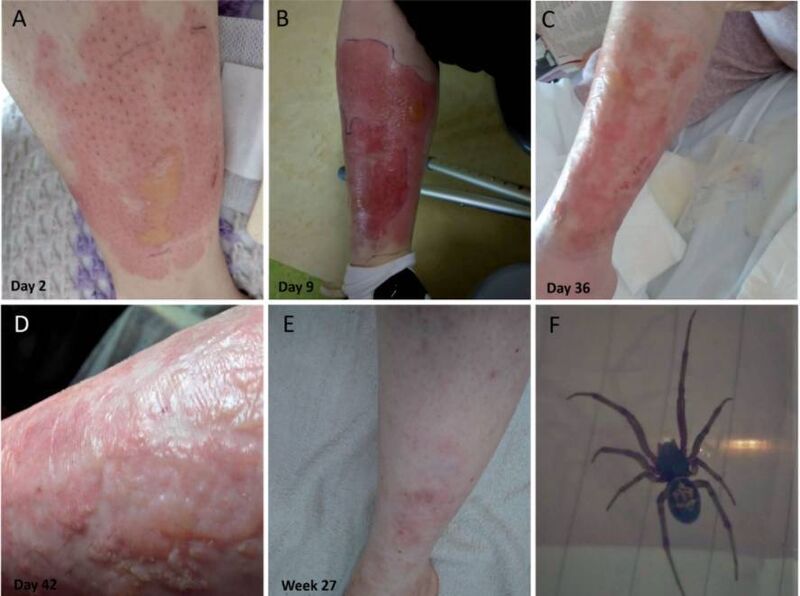
Dr John Dunbar, Postdoctoral Researcher at the Venom Systems Lab at NUI Galway who studies the species and their bites, says the spider is increasing its range and population density which will “undoubtedly” lead to even more bites.
With all that in mind, it is still fairly unlikely that you will experience a noble false widow bite, even if they are hiding out under your bed.
Research suggests the spiders are non-aggressive and do not bite unless they’re threatened, for example, being squashed or trapped either on purpose or accidentally. In addition, venom is a valuable resource and once it is partially or fully depleted, it can take several days or weeks to fully replenish. They’d much rather save it up to nab dinner (bugs) then waste it on humans. So if you leave them alone, they'll leave you alone.

CONNECT WITH US TODAY



Be the first to know the latest news and updates