Confidence in receiving a Covid-19 vaccine surges
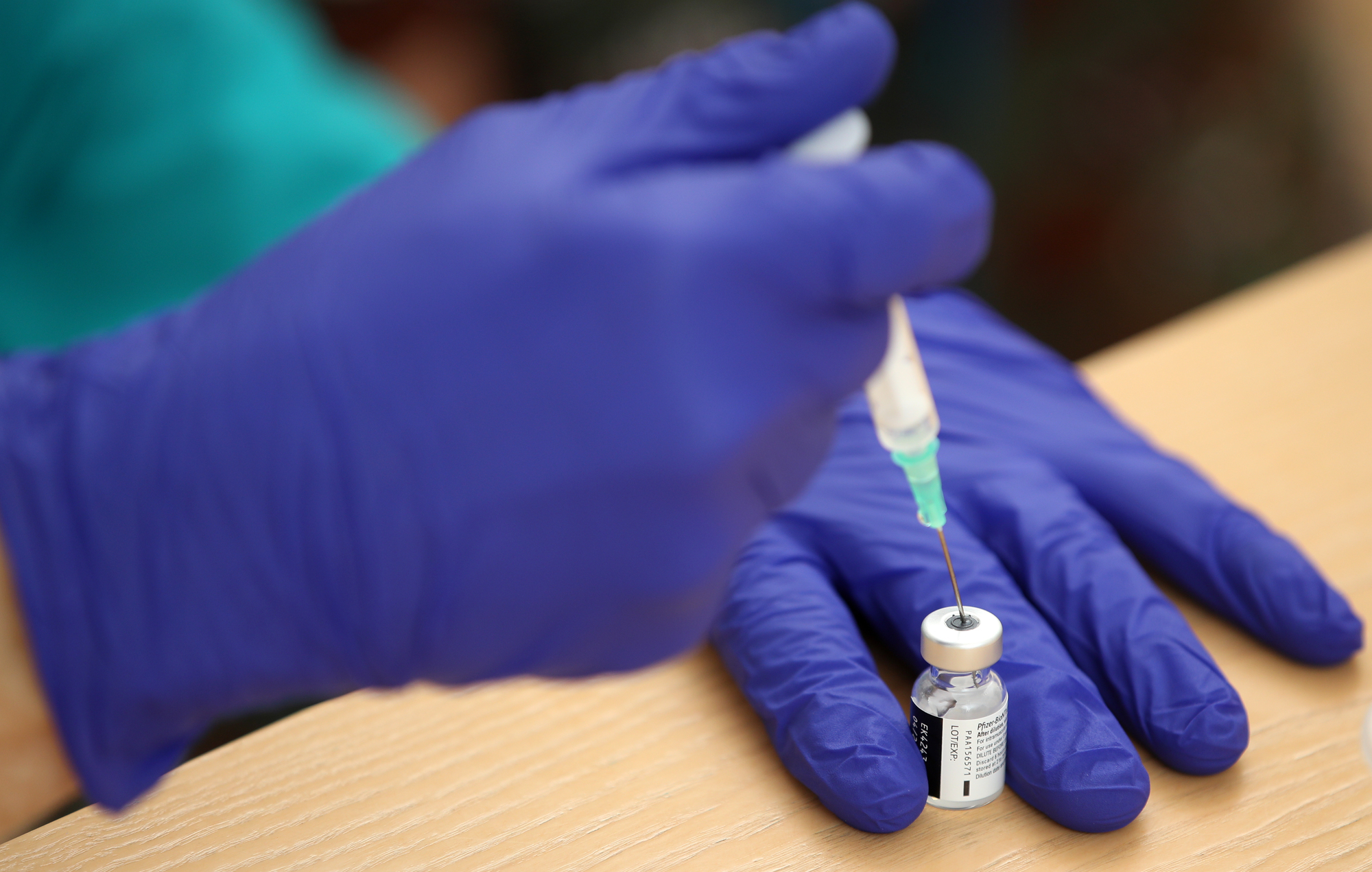
A tracker survey by Ipsos MRBI shows that 63% of people will take a vaccine.
The public's willingness to receive a Covid-19 vaccine has risen significantly since the start of the year, according to a survey by the Irish Pharmaceutical Healthcare Association.
A tracker survey by Ipsos MRBI on behalf of IPHA shows that 63% of people will take a vaccine. When this is combined with the vaccinated cohort, 26% at the time of the survey, that number rises to over 88% — 13 points higher than the percentage of people who said that they would take a Covid-19 vaccine in January. The survey took place between April 30 and May 11.
Between January and May, the number of people who said they either won’t get vaccinated or were unsure about taking a vaccine has dropped.
In January, 7% said they would refuse to be innoculated and 18% were unsure. This month, 4% overall say they will refuse a vaccine and 7% are unsure.
There is more scepticism from those aged between 25 and 34, with 9% of that age cohort saying they will not take a jab and 12% saying they are unsure.
The results come as the industry calls for a global effort to increase dose-sharing.
Bernard Mallee, Director of Communications and Advocacy at IPHA, said: “It is clear that vaccination is helping to contain the disease, with indicators across mortality, hospitalisations, ICU admissions, and caseload stabilising or decreasing.
"That is enabling the country to gradually unlock. The health authorities deserve much credit for the speed and efficiency with which they have managed the vaccination programme.
“With vaccines-makers investing in their own sites and forming almost 300 partnerships and collaborations globally, production has risen in just a few months from zero to 2.2 billion COVID-19 vaccine doses by the end of this month,” he added.
Mr Mallee said that by the end of this year, analysts are predicting 11 billion Covid-19 vaccine doses will have been produced, "enough doses to vaccinate the world’s adult population."
He called on governments, which have significant domestic supplies of the vaccine, to share them with low and lower-middle-income countries. He went on to say that vaccination is a global health and development success story, saving millions of lives every year.
“We have vaccines to prevent more than 20 life-threatening diseases, helping people of all ages live longer, healthier lives. Vaccines administered in Ireland help to prevent 13 diseases including measles, meningitis and whooping cough. Now, we are on a path towards adding COVID-19 to the list."


CONNECT WITH US TODAY



Be the first to know the latest news and updates