Celtic Tiger legacy: Thousands still face hefty bills for estate upkeep
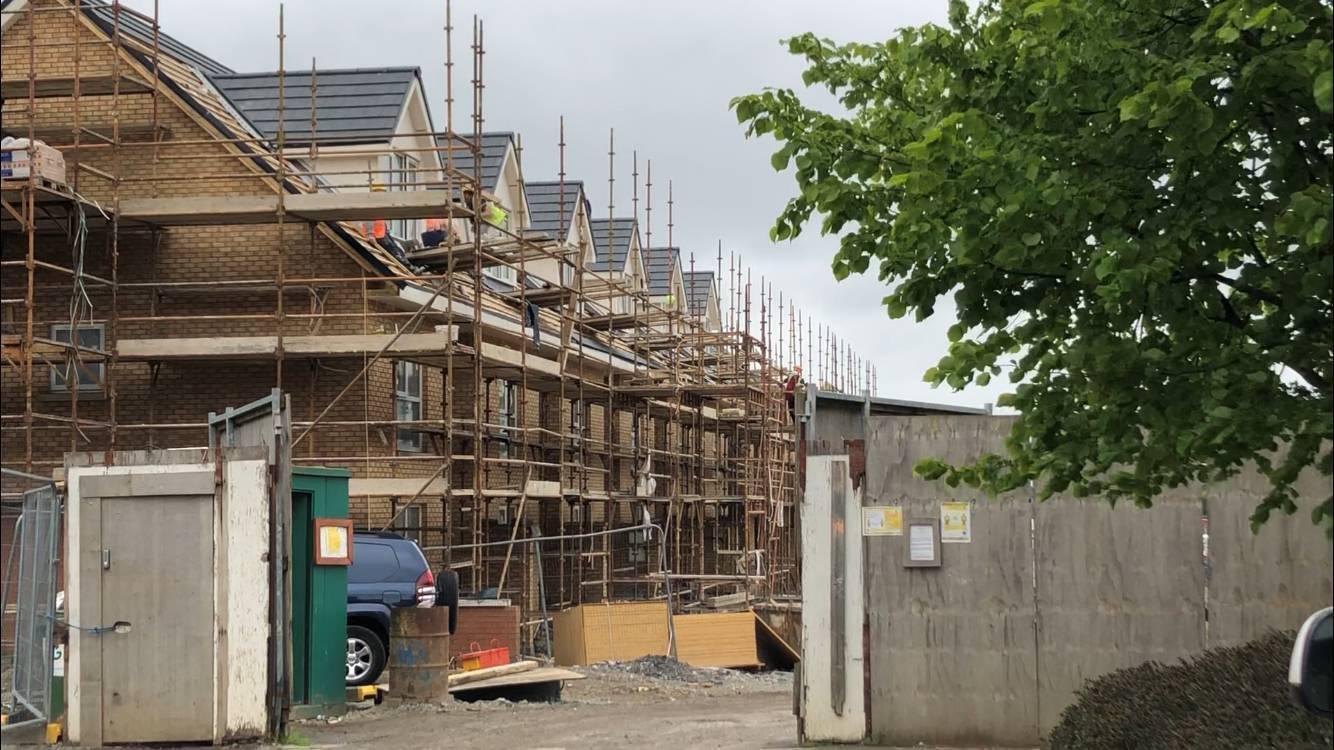
More than 10,000 housebuyers have been left in limbo, still paying for their own sewage treatment, water services, and estate maintenance.
Thousands of homeowners are paying hundreds of euro each year for the upkeep of Celtic Tiger-era housing estates that remain unconnected to public water supplies.
More than 10,000 housebuyers have been left in limbo, still paying for their own sewage treatment, water services, and estate maintenance as a long-lasting fallout from the building boom.
Water treatment systems in these estates met regulations when planning was granted and building began, but by the time the estates were due to be taken over by local authorities, Irish Water had been established and the systems no longer met the required national standards.
Co Donegal is the worst affected county, with 127 estates (one-fifth of the total) while Co Wexford is the second most affected county with 94.
Residents in these estates are now footing the bill as their water and sewage services are not connected to the public network. They rely instead on infrastructure, often temporary in nature, which was provided by developers.
Developer Terence Coskeran, who lives in one of the homes on his development in Co Tipperary, says people have been abandoned.
"It's like being on a loop walk, and you end up back at the start," he said.
"I contacted two housing ministers who said it was a council issue, the council tell me it's government policy.
"These poor people are saddled with management fees, with the upkeep of water and sewerage, we've to pay public liability. All I want is a conclusion," he said.
On Mr Coskeran's estate, the fees are around €700 a year per household for maintenance and service of the treatment plant, public liability insurance, cutting communal grass, electricity for public lighting and management fees for accountancy services.
Based on these costs, it's estimated that up to €7m a year is paid by residents for estate management that should be done by local authorities.
In response to a parliamentary question from Sinn Féin's Eoin Ó Broin, Housing Minister Darragh O'Brien confirmed 566 estates fall outside the scope of the memorandums of understanding between local authorities and Irish Water.
Last September, Mr O’Brien announced funding by his department of €3.5m to address issues in 26 estates in 10 counties, with 950 households to benefit.
The priority of the programme is to connect estates to an existing Irish Water network and to decommission the existing water treatment facility.
However, it is not known how much funding is required to address the remaining 540 estates.
A spokesman for the Department of Housing said further rounds of funding are envisaged.
"The local authorities lead the taking in charge process of housing estates, and it is a matter for local authorities to contact the householders concerned."
A spokesperson from Irish Water said: "Irish Water is not funded to take in charge developer-provided infrastructure that includes water and wastewater treatment facilities, but is supporting a Department of Housing, Local Government and Heritage-led steering group that is reviewing policy in this area."

CONNECT WITH US TODAY



Be the first to know the latest news and updates