Children's Ombudsman finds 'culture of fear' in direct provision
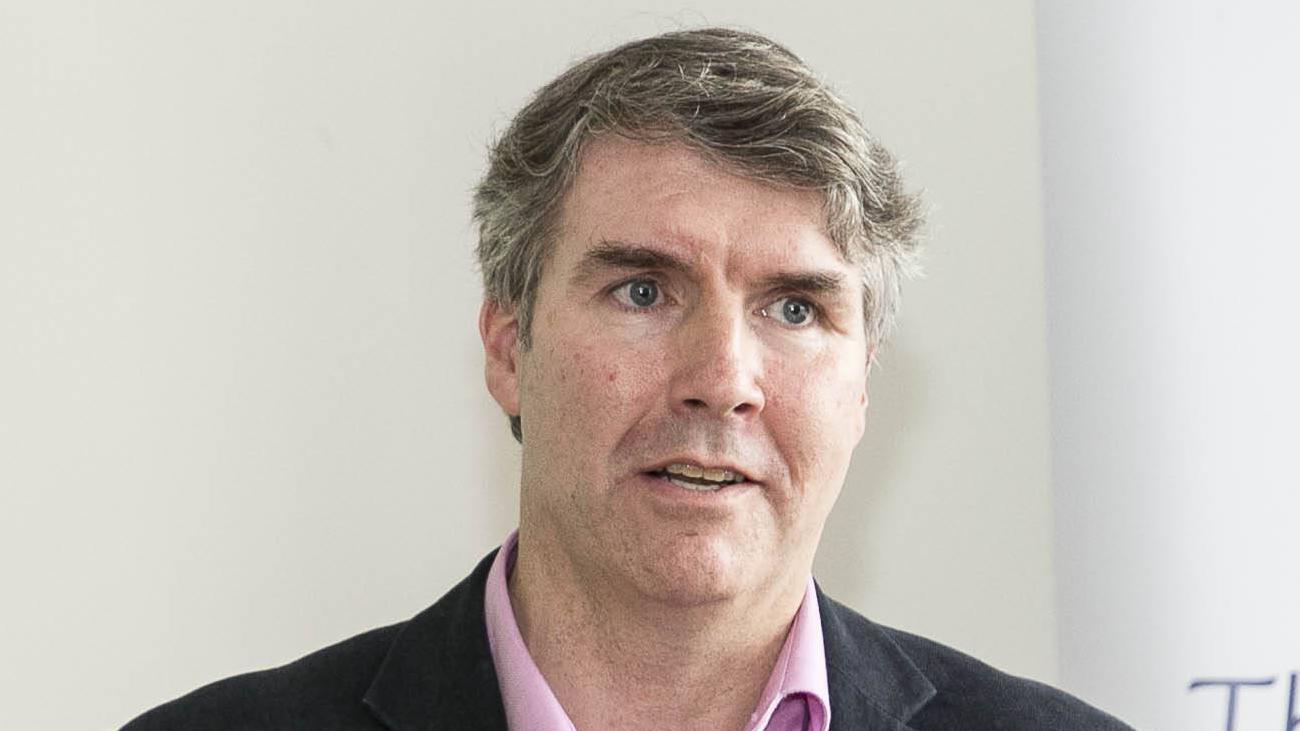
Niall Muldoon: 'Children and families in direct provision find themselves in a vulnerable position.' File picture: Paul Sherwood
The Children's Ombudsman has uncovered child protection concerns in the direct provision system, including parents being wrongly told that their children may be removed from their care if they did not supervise them properly amid a broader "culture of fear".
The report, published today, found that staff members working in one direct provision centre had not been vetted to work with children, and some had not been trained in child protection despite assurances that this was the case. There was also a failure to report a serious child protection concern.
In the same centre, a parent raised concerns with the Children's Ombudsman about overcrowding, the nutritional content of the food, the lack of safe play areas for children, and poor communication by centre management about facilities and on how to make a complaint. However, they were reluctant to take their complaint any further for "fear of reprisals".
At the centre, "all the parents were erroneously told that their children may be removed by child protection and welfare services if they did not supervise them properly in the centre".
"There was no interpretive services in the centre, which effectively gagged parents who may have wished to make a complaint on behalf of their children," said the Office of the Children's Ombudsman.
"We were worried there may be a culture of fear within the centre and that this had gone undetected by IPAS (International Protection Accommodation Service), who contracted these services and had oversight of same."
The ombudsman said it was "deeply concerned that IPAS did not have sufficiently robust oversight mechanisms in place" and so decided to expand the investigation to include all accommodation centres where refugees and asylum seekers were residing.
It also said Tusla did not recognise the inherent vulnerability of children in the international protection process.
The report calls for IPAS to immediately end the use of commercial emergency hotels and to improve its mechanisms for monitoring complaints and concerns.
Niall Muldoon, the ombudsman, said it does not regularly use its power to investigate without a complaint.
"This underlines the very difficult and vulnerable position that children and families in direct provision find themselves in,” he said.
While welcoming the publication earlier this year of the white paper on ending direct provision, he said: "There are still children and families living in unsuitable accommodation and that will not change for at least three years.”
CONNECT WITH US TODAY



Be the first to know the latest news and updates