Northern Ireland MLAs support motion calling for gay conversion ban
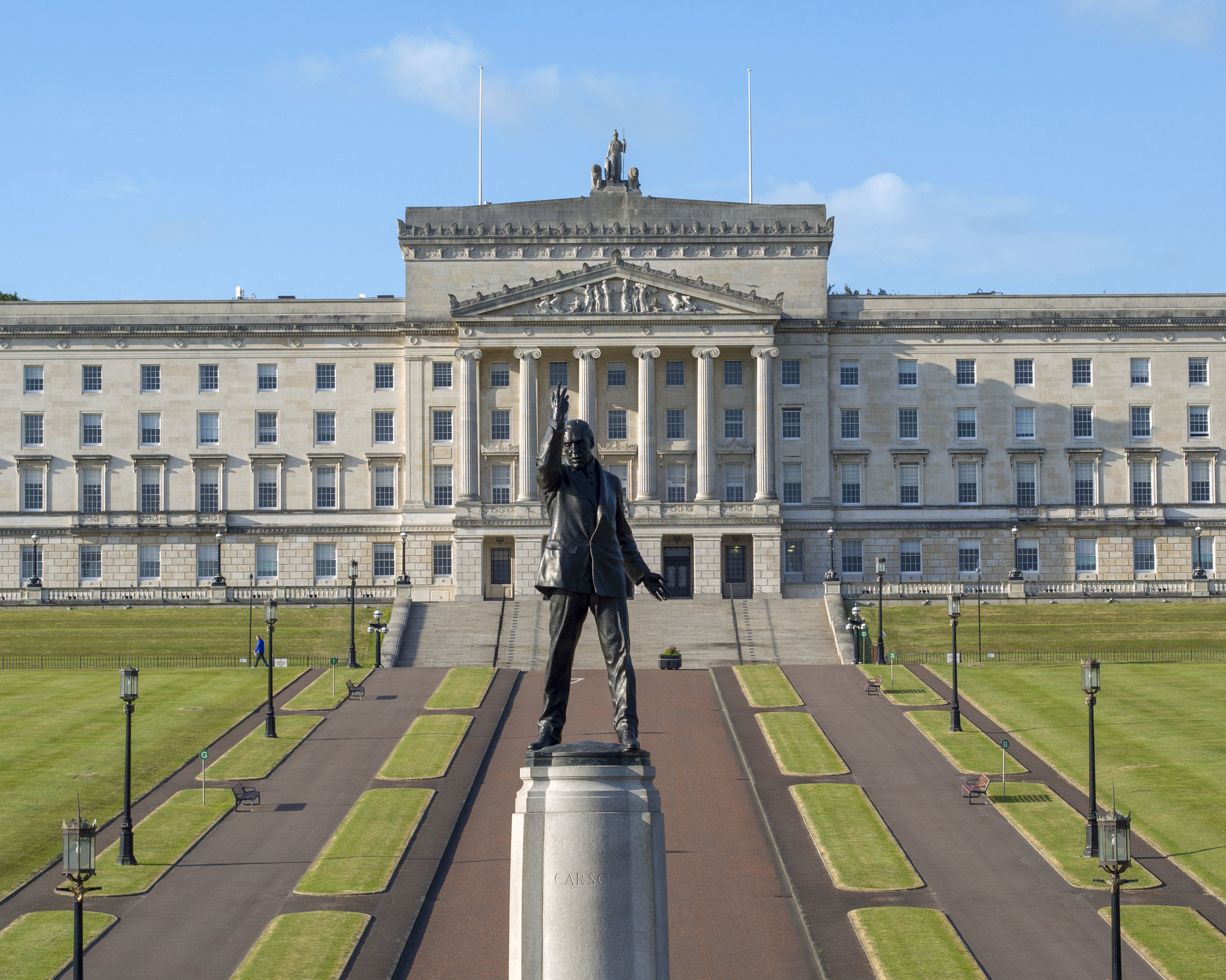
(Steve Parsons/PA)
Stormont MLAs have clashed on what form a future ban targeting gay conversion therapies should take.
While there was widespread support for ending conversion practices during an Assembly debate on Tuesday, the reach and scope of legislation was a matter of contention.
An Assembly motion tabled by the UUP calling on Communities Minister Deirdre Hargey to introduce a ban before the end of the current mandate passed by 59 votes to 24.
The motion was non-binding but Ms Hargey has already signalled her intent to bring forward a ban and backed the motion during the debate.
A majority of DUP members opposed the motion after failing to amend it.
The original motion said it was “fundamentally wrong to view our LGBTQ community as requiring a fix or cure”.
The DUP amendment, while supporting a potential ban on gay conversion practices, sought to include protections for “legitimate religious activities such as preaching, prayer and pastoral support”, insisting those do not represent conversion therapies.
The amendment was criticised by political rivals for removing a line from the original motion saying it was wrong to view the LGBTQ community as requiring a “fix or cure”.
The amendment was defeated by 59 votes to 28.
UUP MLA Doug Beattie tabled the motion with party colleague John Stewart.
“I’m a straight man, I was born straight, there is no fix or cure for me,” he told fellow Assembly members at the start of the debate.
“There is no therapy that will make me a gay man. So why on earth would we say that a gay man wasn’t born that way?
“Why would we say that a gay man can be fixed or cured?
“Why can we say there is a therapy to change a gay man into a straight man? There isn’t. It is ludicrous.”
DUP MLA Pam Cameron said it was important to be specific about what was being banned, warning against sweeping measures.
“I am in full support of a ban on the dangerous practices of conversion therapy in Northern Ireland,” she said.
“My party believes that discrimination against someone on the basis of their sexual orientation is wrong. We are all created equal and should be treated as such. No one should ever be forced into treatment for being gay.
“I share the grave concerns of many members at the various abhorrent practices that have been promoted under the umbrella of conversion therapy in the past and those that sadly still exist.
“However, we are concerned about the absence of any clear or evidence-based definition of conversion therapy in the motion.
“There is a risk that such ambiguity, if translated into legislation, would criminalise legitimate activities or conversations. We simply want to avoid unintended and unjustified consequences.
“Therefore, we need to nail down what activities we seek to deal with not just to safeguard activities that cannot be reasonably be deemed to be harmful or coercive but to give the best protection to our LGBT community.
“Let me be clear: I do not believe that members of our LGBT community should be fixed or cured.”
Ms Hargey said the “cruel and inhuman” practice should be ended.
She said she would bring forward legislation as “soon as possible” but highlighted the need for further research and consultation.
The minister said she did not want to create “loopholes” that allowed therapies to continue under different names.
“I know how huge the hurt and damage can be to people when they are told that they need to be fixed or cured,” she said.
“This language or behaviour is unacceptable, and should not be tolerated.”

CONNECT WITH US TODAY



Be the first to know the latest news and updates