Stephen Donnelly accused of 'incompetence' during heated exchanges on vaccine rollout
People aged 50 to 54 years old are 15 times more likely to die of Covid-19 than those aged 18-34, the Dáil has heard.
Health Minister Stephen Donnelly has been accused of "incompetence" during heated exchanges on the vaccine rollout in the Dáil.
Mr Donnelly defended the changes to the vaccine rollout as frontline workers say they feel let down by not being prioritised.
The Government changed the rollout sequencing this week after advice from public health experts.
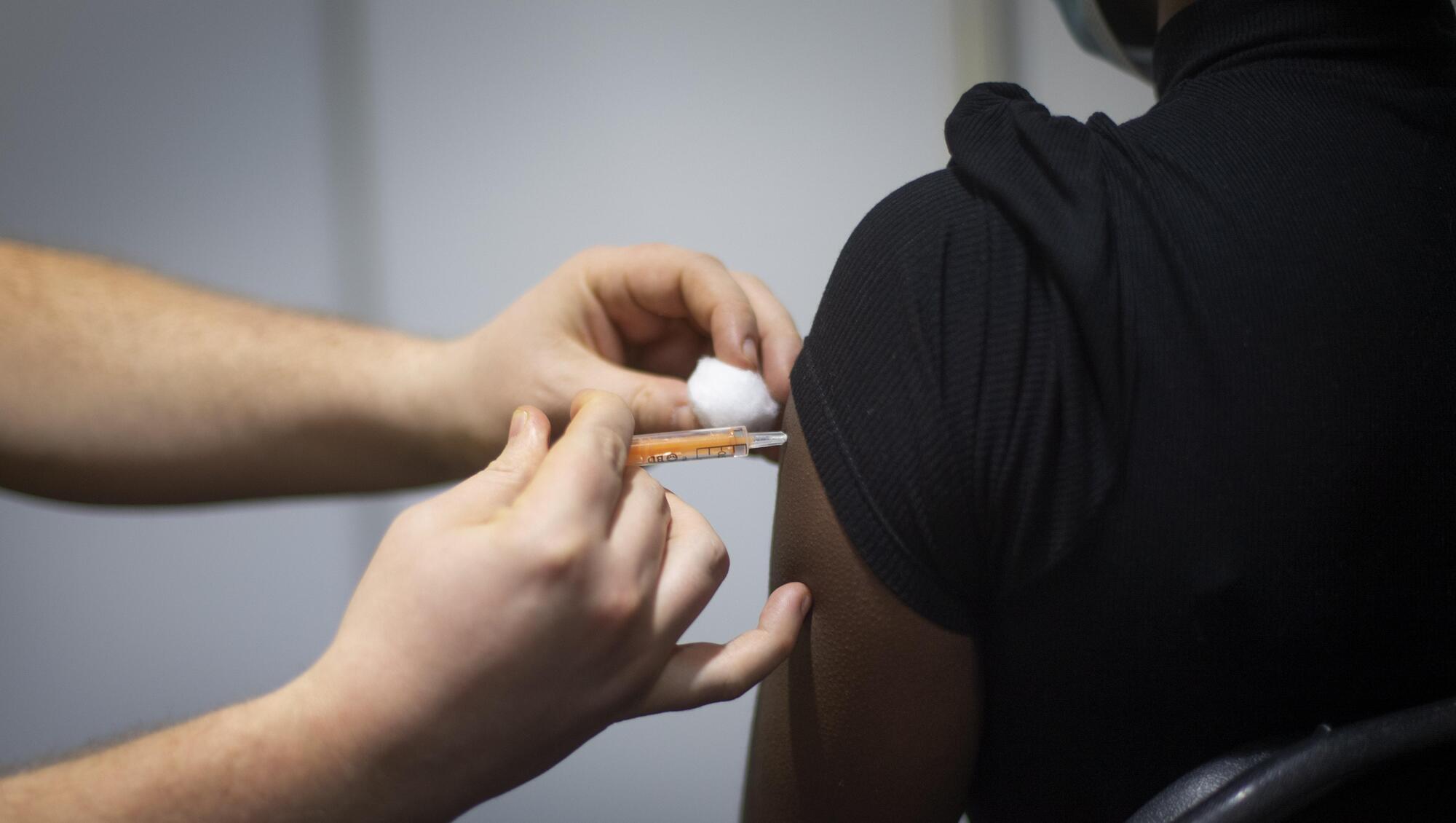
The vaccination programme will now be carried out by age-cohort, after the vulnerable have been vaccinated.
The health minister told the Dáil that people aged 50 to 54 years old are 15 times more likely to die of Covid-19 than those aged 18-34,
"A review conducted by NIAC found that the only occupation or sector showing a significant increase in risk from Covid is healthcare.
"The evidence from the NIAC about the risk of severe outcomes based on age is clear and it is very stark.
"Comparing someone aged 20-34 to someone aged 50-54, the 50-54-year-old is three times more likely to be hospitalised, 10 times more likely to end up in intensive care and 15 times more likely to die from Covid.
"If we compare someone aged 20-34 to someone aged 60-64, which will be part of the first new-age cohort, the 60-64-year-old is five times more likely to be hospitalised, more than 20 times more likely to end up in intensive care, and more than 70 times more likely to die.
The minister said that given the huge extra risk associated with age: "Government decided to accept NIAC and NPHET's recommendations.
"This approach will maximise the benefit of the vaccination programme, minimise serious illness and death, reduce Ireland's risk to Covid as quickly as possible and in so doing allow Ireland to open up as quickly as possible."
Sinn Féin's David Cullinane said it was "a fundamental shift in the policy on vaccinations, without any consultation with people working on the frontline".
"All of these problems are undermining confidence in the vaccination programme."
Mr Donnelly was also criticised for a lack of transparency by the opposition after appearing to give conflicting figures for vaccine deliveries.
Responding to a question from David Cullinane, the minister said the Government expects an average of one million vaccine doses a month to arrive in April, May and June.
Mr Donnelly said the figure may be "slightly less" in April.
He added: "I'm reluctant to give specific forecast figures that we all know are going to change ... giving very specific amounts that we all know are going to change has caused a lot of anxiety."
Mr Cullinane raised reports from the Fianna Fáil parliamentary party meeting that the Taoiseach had said 860,000 doses would arrive in April.
He added: "You're now saying it's going to be a million and this is what confuses people. Then you're saying 'well, we can't be 100% accurate'.
"People need to know exactly what the figure is, or at least what the estimated figure is. If it changes, it changes. If it's down to pharma companies, it's down to pharma companies, but the people have a right to know."
Labour leader Alan Kelly followed up on the vaccine figures, asking: "What the hell is going on here?"
He said: "You say the one million doses for April may be slightly less than that coming forward. Slightly less than that is 140,000 vaccines, which would probably do the whole of my county of Limerick. It's not just a minor reduction."
Mr Kelly said he had been provided with the figures in a note from the Taoiseach but that Minister Donnelly would not provide them to the Dail.
He added: "What the hell is going on here? You're responsible to Dáil and you're responsible to the people of Ireland.
Mr Donnelly was also taken to task by Mr Kelly and Social Democrats co-leader Roisin Shortall about the lack of published plans for vaccine rollout.
"There are 160,000 people in the very high-risk category. Only 30,000 of them have received the vaccination to date," Ms Shortall said.
"I do not have confidence that we will have the capacity to deliver at scale in the coming months."

CONNECT WITH US TODAY



Be the first to know the latest news and updates