Numbers presenting with Covid symptoms up 50% as ESRI note 'clear slippage' in public behaviour
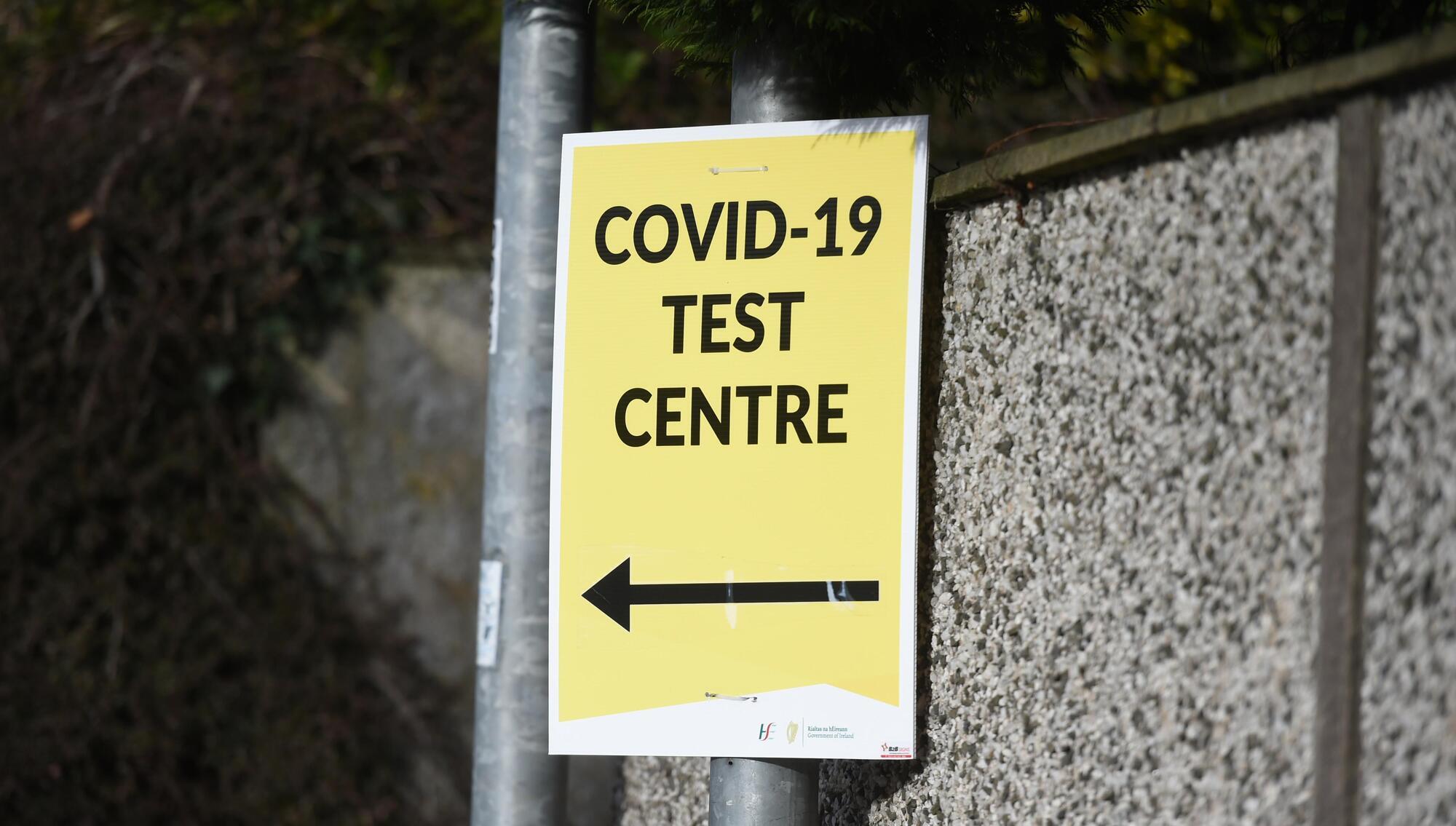
Dr Shane McKeogh said two weeks ago GPs would have been seeing 1.2-1.3 cases per day with possible Covid-19 symptoms that they would have referred for testing but that figure is now at 1.6-1.7.
The number of patients going to GPs with Covid-19 symptoms has increased by 50% over the past three weeks.
Dr Shane McKeogh, a founder of GP Buddy which collects data from surgeries around the country, said the country is still going in the wrong direction.
He said over the past two-three weeks, GPs are seeing a some deterioration.
"Figures coming to GPs around the country have maybe gone up 40-50% over the last two or three weeks which is significant but it had come right down.
"So we are still at way lower figures than we were at the danger time at the beginning of January."
Dr McKeogh said things have worsened slightly in the week gone by compared to the week previous.
He said two weeks ago GPs would have been seeing 1.2-1.3 cases per day with possible Covid-19 symptoms that they would have referred for testing but that figure is now at 1.6-1.7.
"A change not dramatically bad but definitely a slight deterioration so I think the message has to be much like Nphet are saying, we do need to be that little bit more careful."
Ahead of the Easter weekend, the Deputy Chief Medical Officer has appealed to anyone planning on meeting up with others against advice this Easter to do so outside.
Dr Ronan Glynn said if people are mixing in the coming days, they should avoid doing this inside.
"Meet up in parks, meet up outdoors over the coming days."
Under the current Level 5 restrictions, people should not visit another household except for essential purposes or as part of a support bubble.
It is permitted to meet another household outdoors when taking exercise and social distancing rules should be followed.
Two households will be allowed to meet outside from April 12.
A fully vaccinated person may meet another fully vaccinated person indoors provided it has been at least two weeks since both received their second dose.
Assistant Professor of virology at UCD, Dr Gerald Barry, has said people gathering over the coming days is a concern.
"Easter is a traditional time for people to get together so it is worrying that a lot of people are considering this weekend as a potential opportunity to go and visit friends or family," said Dr Barry.
"If that happens, in indoor situations particularly, it really massively increases the risk of cases increasing and then subsequently hospitalisations and unfortunately, deaths will follow."
Meanwhile, a behavioural expert says there has been a "clear slippage" by some people in following Covid restrictions.
Professor Pete Lunn, from the ESRI behavioural research unit, said a "small minority" of people are showing more risky behaviour.
Although the overwhelming majority of people are supportive of the restrictions and are largely trying to follow restrictions, there has been a move.
"What has happened here is there has been clear slippage in people following the restrictions and primarily it is not that they are rejecting them, it is not that they are saying they don't believe in them anymore, it is that there is pushing of the boundaries.
"The primary pushing of the boundaries is social visits to other people's houses and that we would see as being the biggest behaviour change that is risky."
CONNECT WITH US TODAY



Be the first to know the latest news and updates