Public wants same election rules to apply to social media as traditional media
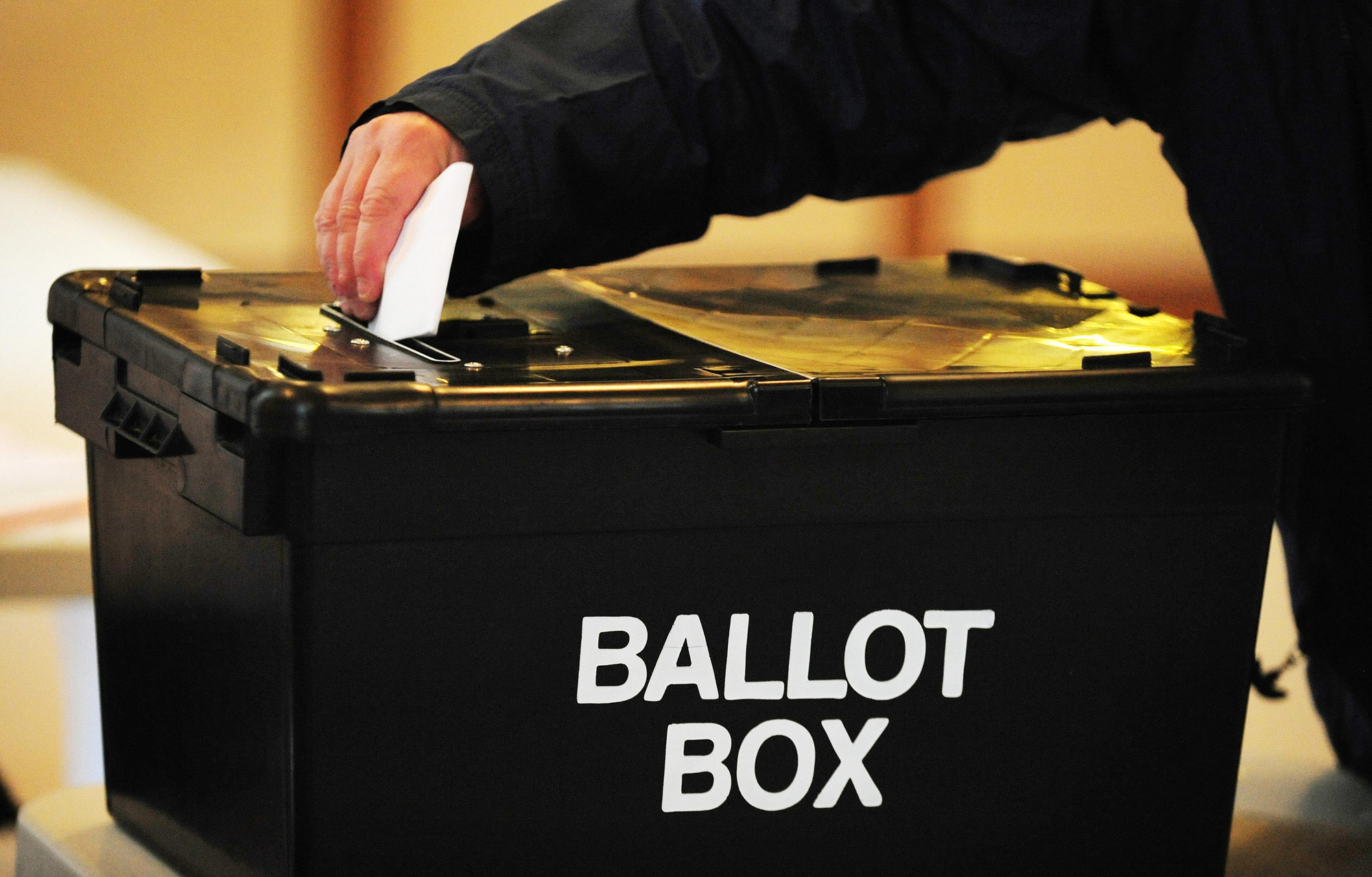
Public wants same election rules to apply to social media as traditional media

Two-thirds of Irish people expressed concern about the potential for the outcome of elections to be influenced by cyberattacks.

The overwhelming majority of Irish people want the same rules to apply to social media platforms as to traditional media during pre-election periods, according to a major new EU survey.

A Eurobarometer poll found 91% of people in the Republic of Ireland favour existing rules on equal campaigning time for different candidates, election expenditure, and a pre-election moratorium period being extended to online social networks like Facebook.


Voters in Ireland together with Lithuania showed the highest level of support for such measures among the 27 EU member states where the EU average was 80%.

The report entitled Democracy in the EU, highlighted how a majority of Europeans are concerned about several potential types of electoral interference, particularly the fear of elections being manipulated by cyberattacks.

Researchers surveyed over 27,000 EU citizens including over 1,000 in the Republic.

Two-thirds of Irish people (67%) expressed concern about the potential for the outcome of elections to be influenced by cyberattacks — the fifth highest rate in the EU and up three percentage points since a similar poll was conducted in 2018.

Two-thirds of people in the Republic also admitted being concerned about foreign actors or criminal groups trying to covertly influence the outcome of Irish elections.

Irish people were slightly less worried that final election results were capable of being manipulated or that voters could be pressured to vote in a particular way, although a majority still recognised them as concerns.

Just under half of Irish people surveyed said they were worried about people voting although they were not entitled to vote.

The survey showed the fear of voting manipulation was more pronounced among supporters of right-wing parties than left-wing or centrist parties.

It also revealed that 68% of Irish people reported being exposed to disinformation — the intentional and malicious use of false information — considerably more than the EU average of 51%.

Half of Irish voters said they had also seen content online where they could not easily determine whether the material was a political advertisement or not, while a third reported seeing content on the internet which attempted to intimidate politicians through threats or hateful messages.

The European Commission said the research was conducted amid concerns about several different types of potential interference in elections in EU member states.

It acknowledged that voters were also concerned about electronic and postal voting and the potential for voter fraud but they still believed the availability of remote voting options would make them more likely to vote because of the ongoing Covid-19 restrictions.

Almost three-quarters of Irish people said they were more likely to vote if remote voting options were available even though similar numbers recognised such options could present difficulties for people with disabilities or older voters.

x

More in this section

Lunchtime News

Newsletter

Keep up with stories of the day with our lunchtime news wrap and important breaking news alerts.

Cookie Policy Privacy Policy Brand Safety FAQ Help Contact Us Terms and Conditions

© Examiner Echo Group Limited