Q&A: Is the new Climate Action Bill all hot air?
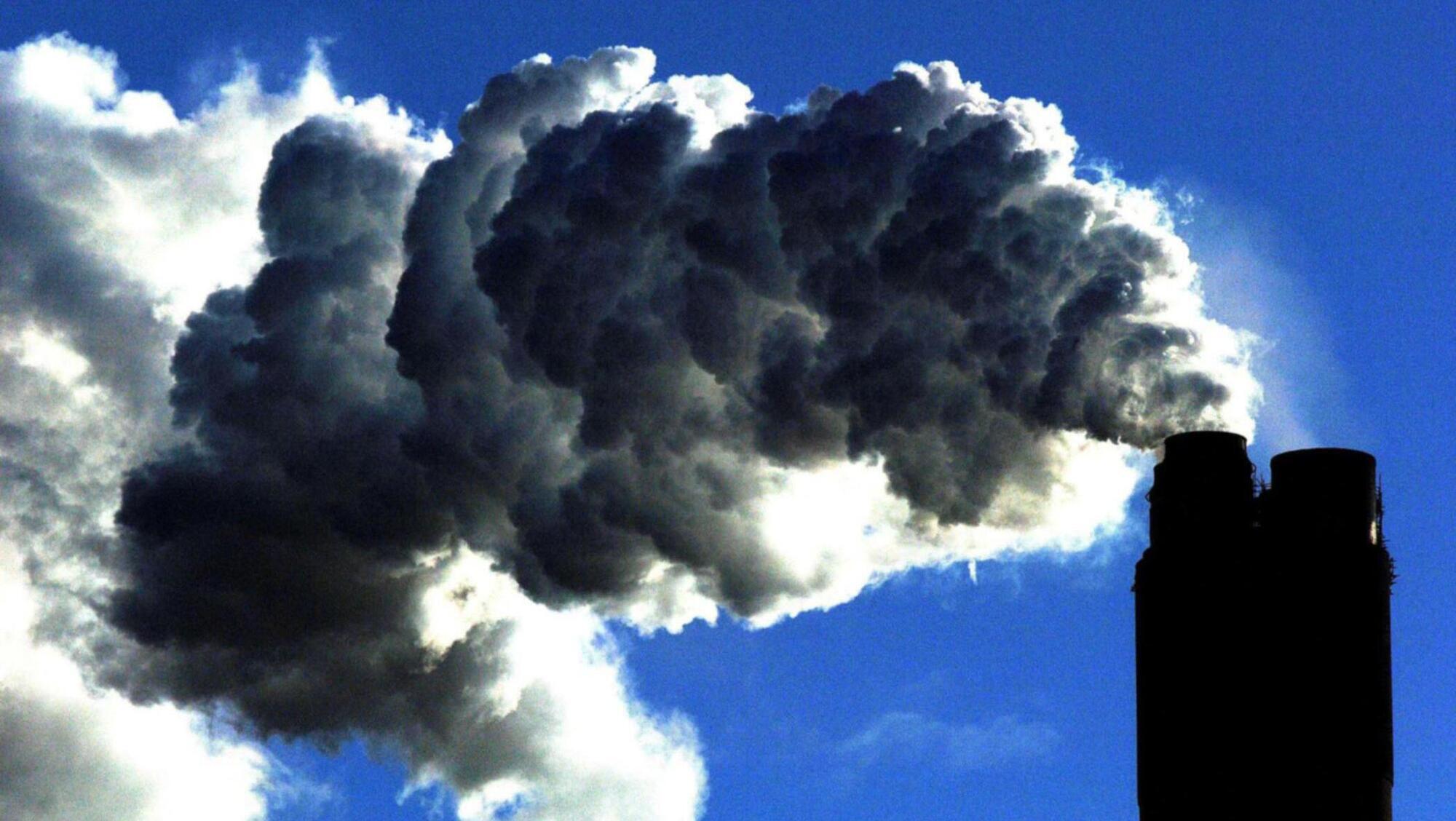
The new Climate Action Bill aims to reduce our carbon emissions by 51% by 2030. Picture: PA
High on ambition and aspiration, the Government’s new Climate Action Bill proposes to get Ireland to a carbon-neutral basis by 2050.
It also aims to reduce our carbon emissions by 51% by 2030 which, if achieved, will mean significant changes to virtually every aspect of life as we know it.
Ireland is a significant importer of fossil fuels at present, a notorious laggard in terms of our climate commitments and has been fined multiple times by Europe for failing to meet set targets.
The bill, as published, commits to pursue and achieve no later than 2050, the transition to a climate-resilient and climate-neutral economy. It also commits that the first two five-year carbon budgets proposed by the Climate Change Advisory Council should equate to a total reduction of 51% by 2030, relative to a baseline of 2018.
Taoiseach Micheál Martin did say that forcing certain high polluting sectors, including agriculture to cut carbon emission by roughly 7% a year “will be difficult” but said by creating new jobs, transition is possible.
Government ministers will be responsible for achieving the legally-binding targets for their own sectoral area with each minister accounting for their performance towards sectoral targets and actions before an Oireachtas Committee each year.
By placing a legal duty on ministers to achieve targets, it places a clear and meaningful onus on them to meet those targets each year. However, reducing carbon emissions at a time when the economy is growing is going to be very difficult. Minister for the Environment Eamon Ryan said there won’t be financial penalties if targets are missed and Tánaiste Leo Varadkar said there are caveats in the legislation to ensure jobs are protected. Put another way, there is enough wiggle room in there to allow politicians fudge the matter in the years ahead.
There is confusion as Mr Ryan called for a reduction in the national herd while the Taoiseach and Tánaiste said their position is about “sustaining the existing herd”.
The Government must adopt carbon budgets that are consistent with the Paris Agreement and other international obligations. All forms of greenhouse gas emissions including biogenic methane will be included in the carbon budgets. However it is up to the Government to decide on the trajectories for different sectors. It will determine, following consultation, how to apply the carbon budget across the relevant sectors, and what each sector will contribute in a given five-year period. Actions for each sector will be detailed in the Climate Action Plan which must be updated annually.
Opposition and some Green Party supporters have expressed dismay at the lack of inclusion of a ban on liquified natural gas. Mr Ryan, defending the bill, said the liquified natural gas issue will be dealt with by separate legislation but some opposition TDs are not buying it. Bríd Smith of People Before Profit has described the bill as a “betrayal” of the green movement and lacking in sufficient ambition.

CONNECT WITH US TODAY



Be the first to know the latest news and updates