Fertility clinics in Ireland facing sperm 'shortage' due to demand and law change on donors
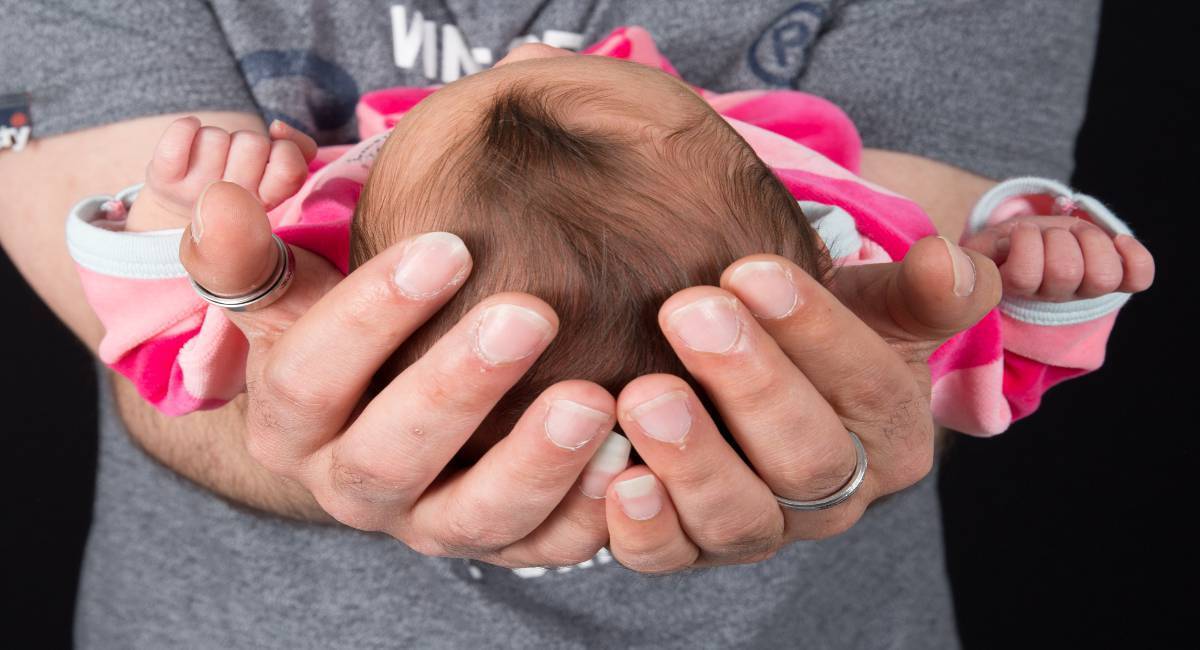
The 2015 Children and Family Relationships Act provided for a ban on anonymous sperm donations, which has reduced the supply that can be used in Ireland.
Increased demand and a change in legislation on anonymous donations has resulted in a “shortage” of sperm for fertility services in Ireland, a leading expert has said.
Dr John Waterstone, of Waterstone Clinic, said clinics in Ireland are importing sperm from America to meet demand.
The 2015 Children and Family Relationships Act provided for a ban on anonymous donations and for the creation of a register to allow donor-conceived children obtain personal family information once they turn 18. The act was commenced last year.
Dr Waterstone said this has had a significant impact on the operation of fertility clinics in Ireland.
“There isn’t an Irish sperm bank. In fact, there are very few sperm banks near us these days. All of the clinics in Ireland are using two sperm banks, which are in Copenhagen in Denmark. That’s where most of our sperm comes from,” Dr Waterstone said.

“In Denmark, sperm donors are allowed to be identifiable, which means the child could trace and meet its genetic parent, but they’re also allowed to be anonymous.
He added: “That has caused a shortage because there’s less – all of a sudden the anonymous donor is gone and you can’t use it anymore, so there’s more demand for the identifiable ones."
Dr Waterstone said Covid-19 restrictions had also resulted in donations “slowing down”.
“A lot of the sperm donors are young people, maybe at university, and now they’re stuck at home due to social distancing. Maybe the donors haven’t been coming in as frequently,” he added.
As a result of the shortages, clinics in Ireland have begun to use another sperm bank in America, he said.
“That’s a very recent development over the past 12 months because we have been struggling to find the donors for women who want sperm donation.
The number of single women seeking to become a mother through fertility services has “increased steadily” over the past number of years, Dr Waterstone said, but added there was a particular emphasis last year.

"It tends to be women in their mid- to late-30s, who realise the clock is ticking and realise their fertility is going to diminish as time goes by and Mr Right hasn’t come along. They want to have children but don’t want to miss the boat. They come to us and we’ve seen more of it over the past year," he said.
He attributed this increase to pandemic restrictions giving women more time to reflect on what they do and don't want from life
"Maybe the Covid-19 outbreak is giving them a jolt to sit back and say, 'What’s really important in my life? I do want to have a baby and maybe this is how I’ll have to do it.' I suppose the last year has been a time where people have re-examined where they are in their lives," he said.
CONNECT WITH US TODAY



Be the first to know the latest news and updates