Tuam home survivor: 'I want a better report, one that would say how badly we were treated'
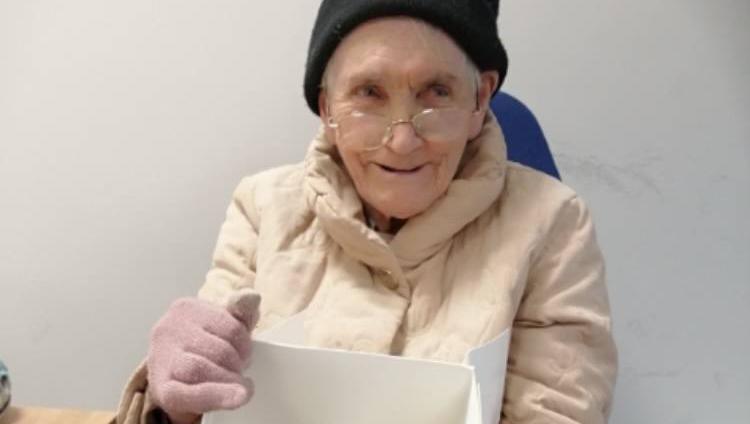
Rose McKinney vigorously protests both her treatment by the nuns who ran the mother and baby home in Tuam, and the recent report of the commission of investigation: 'They said they had no evidence of violence against us — but we were treated like animals,' she says.
A survivor of the Tuam mother and baby home says survivors deserve a better report than that presented in January by the Mother and Baby Homes Commission of Investigation. “I want a better report than the one that’s out there, one that’s honest and true, one that would say how badly we were treated,” Tuam home survivor Rose McKinney has told the .
The only mother from the home to waive her anonymity, Rose feels the final report of the commission of investigation does not reflect the lived experience of survivors: “They said they had no evidence of violence against us, but we were treated like animals.
“I lost the hearing in my right ear from a beating I got from a nun,” she says.
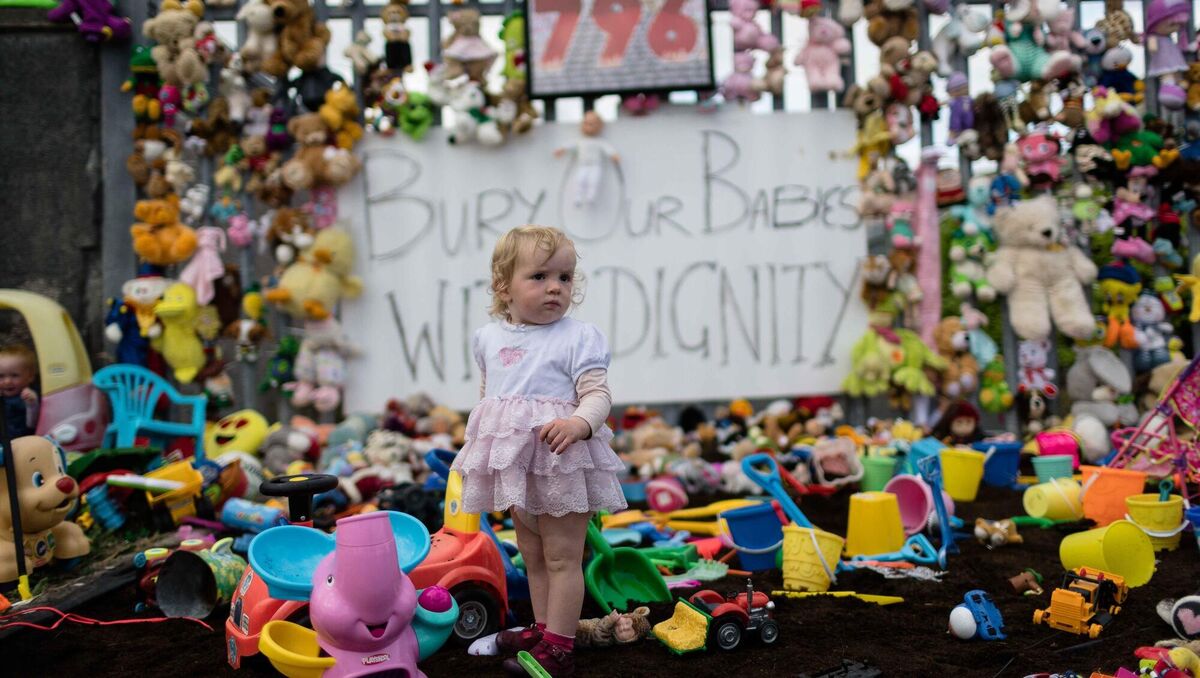
Born in 1938, in Dunmore, Co Galway, Rose McKinney had two babies as a teenager in the St Mary’s mother and baby home in Tuam, spending five years there and in the Galway Magdalene laundry in the 1950s.
Both of Rose’s babies were given up for adoption, something which she says was for the best, but nonetheless “destroyed” her.
The youngest of nine, Rose grew up on a farm nine and a half miles from Tuam, and was 13 when she was sent to the mother and baby home:
Rose gave up her baby for adoption. “I couldn’t keep her,” she says, with a deep sigh. “Poor little girl.” Rose’s boyfriend sought her out in Tuam.
“I fell pregnant again, and I never seen him again," she says. My second baby was born there too, and I gave her up as well. It destroyed me, but I knew I did the right thing."
Rose was then sent to the Magdalene laundry in Galway, where she endured severe beatings.
After months in the laundry, Rose and another girl ran away, escaping to Dunmore. She says two nuns pursued them: “My dogs Prince and Lassie ran them. I never saw nuns running as quick!”
Rose moved to Dublin at 20, getting a live-in job cleaning the Jervis Street Hospital. In adulthood, Rose’s daughters sought her out.
“They both got good homes. I had no choice,” she says.
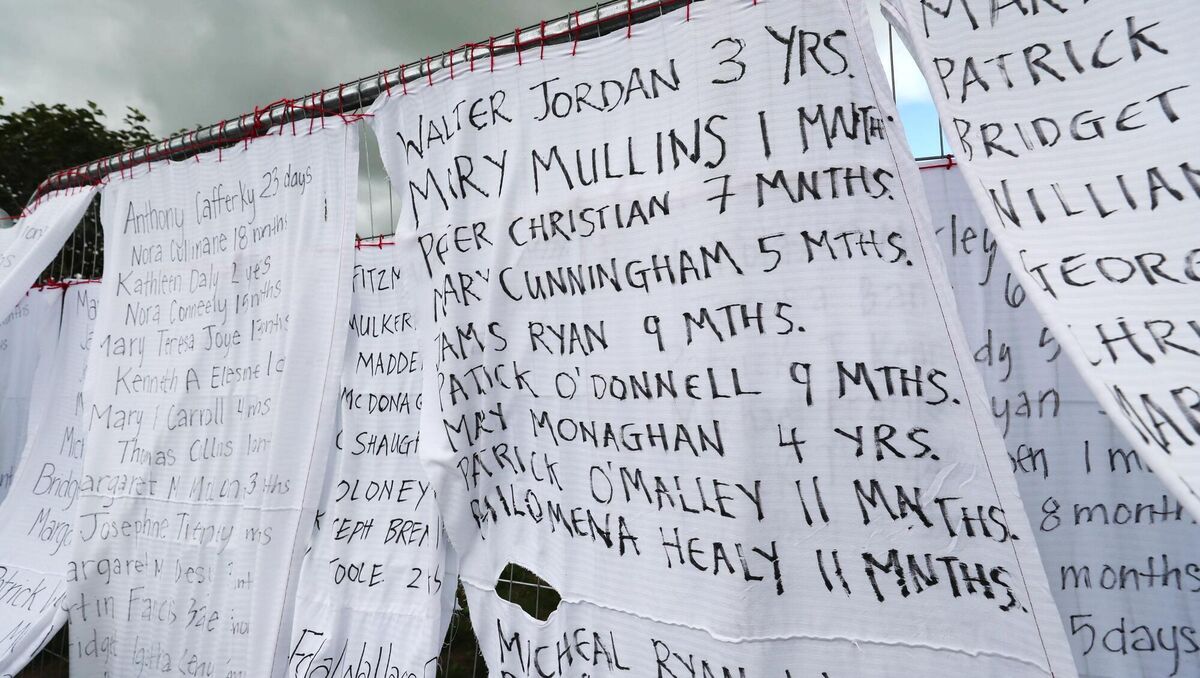
Rose lives now with her youngest daughter Margaret, whom she describes as “my caretaker”. No longer conventionally religious, Rose says she feels closer to God “without the priests and the nuns”. She says the revelation that 796 children are missing in Tuam, some buried in a disused sewerage system, horrified her.
Rose has one message for other survivors: “Please come forward, and tell your story. We will fight together for justice.
"People are on our side now, so don’t let the dictators get the better of you."
CONNECT WITH US TODAY



Be the first to know the latest news and updates