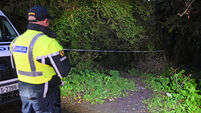
Sarah Everard case leads to an outpouring of Irish women's experiences as #NotAllMen trends
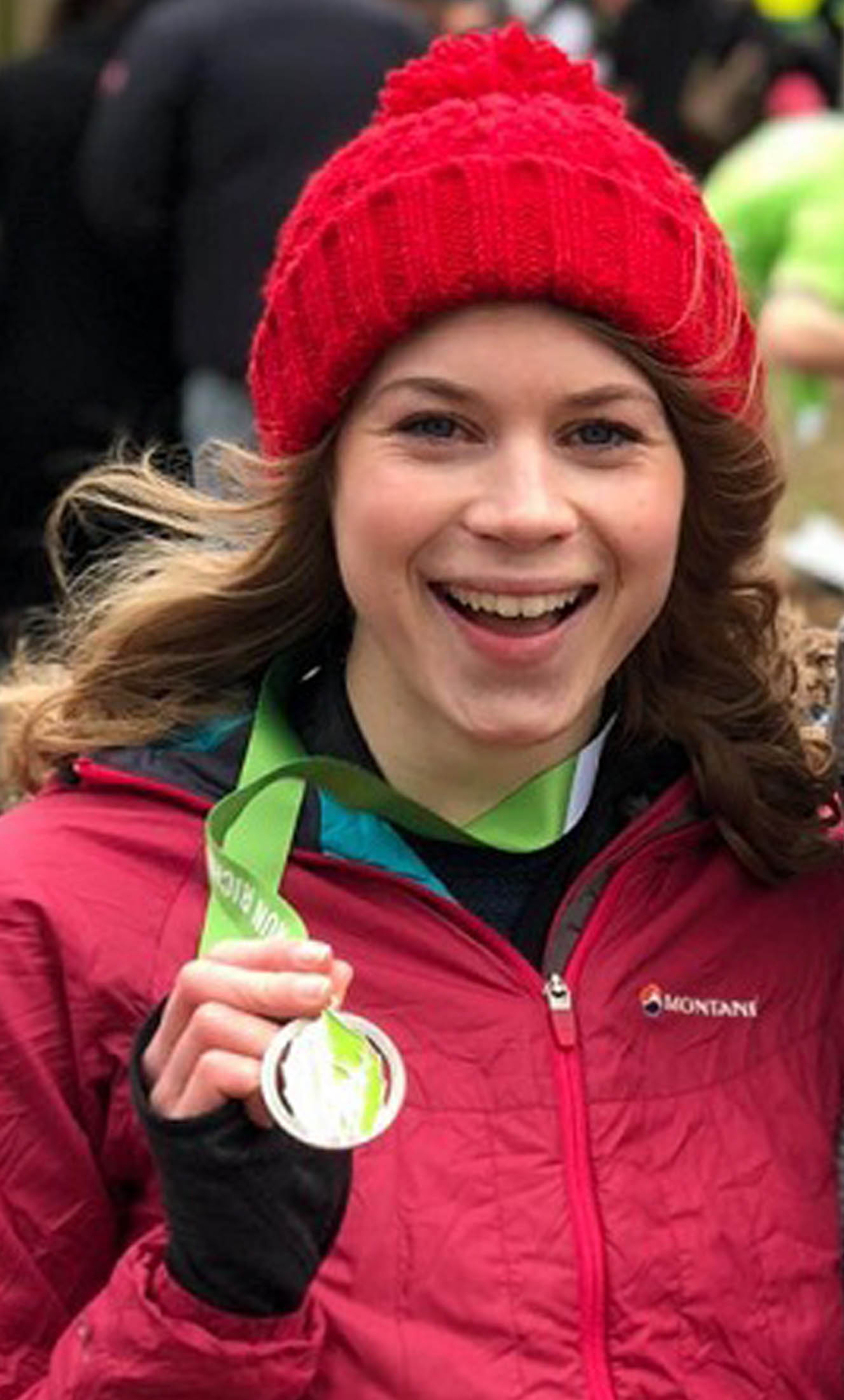
The disappearance of Sarah Everard in the UK has struck a chord with many Irish women who say they are "exhausted" at having to constantly adapt their behaviour
The disappearance of Sarah Everard in the UK has struck a chord with many Irish women who say they are "exhausted" at having to constantly adapt their behaviour in response to gender-based violence and harassment.
33-year-old Sarah Everard went missing on March 3 after visiting a friend's house in south London. She was last seen on CCTV footage at around 9.30pm.

A serving Metropolitan police officer has been arrested on suspicion of her murder, following the discovery of human remains.
The case has highlighted the danger women face in their daily lives and prompted an outpouring of stories on social media from Irish women, sharing their experience of having to change their routes to work, or change when they exercise due to violence and harassment at the hands of men.
Siobhán Fenton, aged 28, tweeted that over the course of her life there have been at least a dozen times when she has been harassed or assaulted by a stranger in public.
“I am exhausted with the constant feeling of being unsafe while simply going for a walk and most women I know have had similar experiences,” she said.
“Our lives are made up of constant little calculations and actions to try to survive, while men are never expected to alter their behaviour.”
“It feels particularly stark in the lockdown as so many of the things women do to try to protect ourselves aren’t possible under public health restrictions- we can’t meet indoors, walk home with friends or go to crowded places to try to be safe.”
“So our lives shrink even smaller.”
With women in the UK reportedly advised "not to go out alone" while Sarah Everard's disappearance is investigated, many women questioned why the onus is always on women to change their behaviour.
No it's #NotAllMen but not all women get kidnapped or murdered by men either and yet we are still told to change our behaviour, be more careful, don't wear headphones at night, dress 'appropriately' etc. etc.
— Rachel (@ElRacha1) March 10, 2021
Why is the onus always on women?
Writer Caitlin Moran tweeted: "I am 45 and it is 2021 and I am essentially under a curfew. Like all women. And there are absolutely no exit plans for this. It's just presumed women will stay home when it's dark ... forever."
I am 45 and it is 2021 and I am essentially under a curfew. Like all women. And there are absolutely no exit plans for this. It's just presumed women will stay home when it's dark ... forever.
— Caitlin Moran (@caitlinmoran) March 10, 2021
Being a woman: my "outside" day finishes at sundown. If I haven't taken the dog for a walk/jogged by then, I can't. In the winter, it often means the choice between exercise and work. Today, I had to stop work at 4 to exercise. My husband worked until 6, and is now off for a run."
Journalist Roisín Ingle questioned whether more would be done on the issue if it were men that had to restrict their lives for their personal safety.
As women shared their anger and fear in response to the case, the #NotAllMen hashtag began trending.
Kildare women Karen Mulreid tweeted: "Whenever a woman is murdered men arrive to tell us 'Not all men' and then immediately tell us not to walk alone at night because of the risk from men."
"So which is it - safe because 'not all men' or unsafe because all men are a risk? Which is it?"
Irish writer Jane Casey pointed out that statistically, women are most in danger of violence in their own home or from partners/ex-partners, "but no one asks why we risk living with men."
Tough day on Twitter. All the brave women I know on here and in real life whose lights have been dimmed for a moment or a month or a lifetime by the bad sort of man, the one you can't trust, who looks like all the good men until he doesn't.
— Jane Casey (@JaneCaseyAuthor) March 10, 2021
A survey of almost 31,000 people across 40 countries by market research and polling giant WIN International in 2019 found that Ireland had the highest level of claimed sexual harassment in Europe.
Almost a third (32%) of Irish women between the ages of 18 and 34 surveyed said they had experienced some form of sexual harassment in the 12 months prior to the survey.
Ireland's rate of claimed sexual harassment among women in this age group was double that of the United Kingdom and more than twice the global average.
In response to the #NotAllMen hashtag, Labour TD Aodhán Ó Ríordáin said "This is a man problem. We need to own it, challenge it and change it."
Belfast-based photographer Vanessa Ifediora said one way for men to tackle the issue is to start talking to their friends.
In response to Ms Everard’s disappearance, broadcaster Louise McSharry tweeted it is “absolutely exhausting to be a woman” and reshared a piece she wrote in 2017 in response to the #MeToo movement.
“I wrote this in 2017, wearily referencing women having done the same outpouring of horrific experiences with men in 2014, and before that again, and here we are doing it again in 2021. Can you see why we’re tired?” she asked
I could literally write this again today. When will we confront the fact that male violence needs to be dealt with via a new approach that starts early in their lives? There is something wrong here, something terribly wrong, and women can’t solve it because god knows we’ve tried. pic.twitter.com/lgwAeAHBjR
— Louise McSharry (@louisemcsharry) March 11, 2021
While broadcaster Dearbhail McDonald tweeted "if it’s too unsafe for women to walk alone, day or night, the problem is not women."
A vigil entitled 'Reclaim these streets' is due to take place at Clapham Common, where Ms Everard went missing, at 6pm on Saturday.
Organisers said it's wrong that the response to violence against women requires women to behave differently.
"In Clapham, police told women not to go out at night this week. Women are not the problem."
"We've all been following the tragic case of Sarah Everard over the last week. This is a vigil for Sarah, but also for all women who feel unsafe, who go missing from our streets and who face violence every day."