Electric cars will not be enough to combat transport emissions
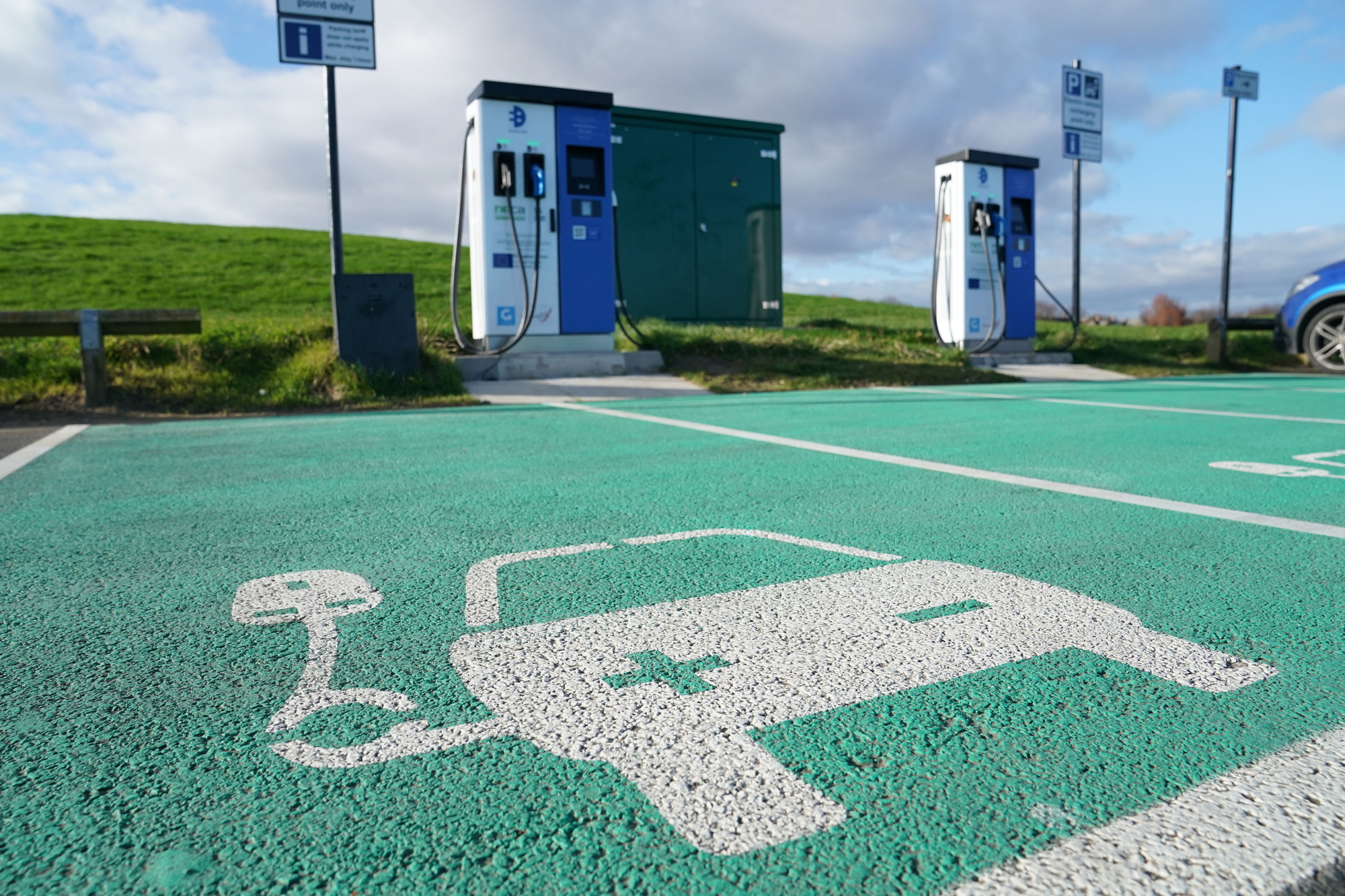
'I would agree that EVs will play a part in the overall strategy of reducing emissions, but I would urge caution on over-reliance on this policy,' said Dr Brian Caulfield.
The efforts to reduce Ireland's transport emissions by 51% in the coming decade will be "daunting", with the electric vehicle (EV) revolution not nearly enough to combat the problem.
That is according to climate crisis expert Dr Brian Caulfield of Trinity College Dublin, who told the Oireachtas climate committee that the drop in emissions from transport due to the Covid-19 pandemic gave an idea of the challenge ahead.
"In 2020, in the midst of lockdowns, transport emissions dropped by 17%, so this gives a clear indication of the scale of the challenge we face to get a 51% reduction," he said.
Some 75% of trips in Ireland are made by car, and the car population is to surpass 2.3m by 2030, Dr Caulfield said.
"This, coupled with the extensive motorway network, has almost locked us into car usage.
"When we consider how do we reduce our emissions from transport, we have two options. We can improve sustainable modes, or change how they are fuelled. In 2019, the climate actions plan saw EVs as the main way of reducing transport emissions.
"I would agree that EVs will play a part in the overall strategy of reducing emissions, but I would urge caution on over-reliance on this policy," Dr Caulfield said.
The uncertainty around when price parity between traditional fossil fuel-powered cars and EVs would be reached must be noted, according to Dr Caulfield, with State funding possibly needed to bridge the gap.
"To reach our 2030 targets, assuming this price parity doesn't happen in the next nine years, it could require a State subvention of up to €10bn," he said.
"My research has shown that these EVs purchased to date tend to be in affluent areas, and tend to be in urban areas, where there is alternative modes of public transport available. Equity and just transition need to be considered in this space."
National Transport Authority (NTA) chief executive Anne Graham told TDs and senators that public transport, cycling, and walking is the way of the future if Ireland is to tackle emissions, but that it is a tall order.
"In shifting to sustainable travel, the work of the NTA has many facets which, together, aim to improve the offer and attractiveness of walking and cycling, and using public transport in order to effect change and enable the transport system to operate more effectively.
"However, we recognise we have to take a significant leap forward in the quality of our public transport services, to meet the demand for travel in the future, and support the economic growth of the country."
The NTA has appointed a specialist team to redesign the bus network in Cork and to start the designs for bus priority measures, Ms Graham said.
The NTA is also working with Transport Infrastructure Ireland on identifying the alignment for the proposed Luas for Cork, which could be developed if the densification of Cork City occurs, she added.
Dublin City University Associate professor Diarmuid Torney told the committee that one of the big challenges was that some government institutions were set up before climate change had the central priority it now has in policymaking.
CLIMATE & SUSTAINABILITY HUB
CONNECT WITH US TODAY



Be the first to know the latest news and updates