Limerick in top 10 Covid-19 hotspots but Kerry's Corca Dhuibhne almost virus-free
Limerick in top 10 Covid-19 hotspots but Kerry's Corca Dhuibhne almost virus-free

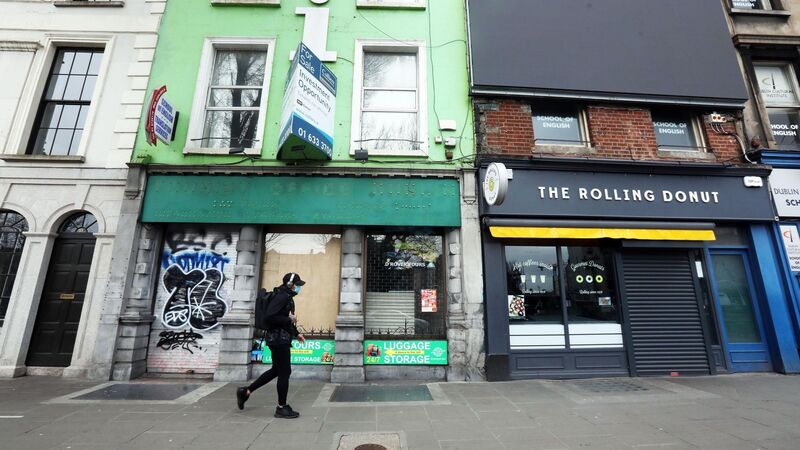
Covid-19 levels have risen further in Galway, Limerick and Dublin cities as the pace of decline across the country appears to be slowing. Picture: Leah Farrell / RollingNews.ie

Covid-19 levels have risen further in Galway, Limerick and Dublin cities and parts of Offaly as the pace of decline across the country appears to be slowing.

The latest local electoral area (LEA) data on Covid-19 infection levels shows the national rate has seen a more moderate fall in the past week – from 269.3 cases per 100,000 population on February 15 to 240.4 cases per 100,000 population on February 22.


The LEA data also shows that Galway City centre continues to have the highest 14-day infection rate in the country, at almost five times the national average and having trebled since early February.

More than 350 cases of Covid-19 were detected in the Galway City area in the previous two weeks, where the infection rate has increased from 382 cases per 100,000 population on February 8 to 1,292 cases per 100,000 population on February 22.

In the Galway City east area, the infection rate has remained unchanged in the past two weeks, remaining at 579.1 cases per 100,000 population on Monday last.

Covid-19 infection rates have also risen in parts of Limerick and Dublin City and in Tullamore and Birr in Offaly.

The Limerick City east area saw infection rates rise to 546.1 cases per 100,000 population this week from 404.6 cases per 100,000 population the previous week, ranking it in the top 10 Covid-19 hotspots nationally and with the highest rate in Munster.

Infection rates also rose in the Limerick City north area – up from 227.6 cases per 100,000 population to 276.5 cases per 100,000 population – but have fallen in the Limerick City west area in the past two weeks.

The north-inner city area of Dublin also saw a rise in infections (487.3 cases per 100,000 population), while rates are falling in parts of the city with previously high case numbers – Ballymun-Finglas, Blanchardstown-Mulhuddart, and Ballyfermot-Drimnagh.

The rural towns of Tullamore and Birr in Offaly also saw a jump in infection rates in the past week – from 538.4 cases per 100,000 population to 555.5 cases per 100,000 population in Tullamore and from 325.8 cases per 100,000 population in Birr to 471 cases per 100,000 population.

At the other end of the scale, two LEA areas are now almost virus-free, having brought infection levels down to zero.

Lowest infection rates

Granard in Longford and Corca Dhuibhne in Kerry had the lowest infection rates nationally, with fewer than five cases confirmed over the past fortnight.

In addition to parts of Limerick City, other parts of Munster with rising infection rates include parts of Waterford and Clare, which also feature in the top 10 Covid-19 hotspots in the region.

In Dungarvan in Waterford, infection rates have increased from 195.2 cases per 100,000 population to 283 cases per 100,000 population in the past week.

In Clare, rates have increased from 207.1 cases per 100,000 population to 232.9 cases per 100,000 population in Ennis and from 207.3 cases per 100,000 population to 213.8 cases per 100,000 population in Shannon.

Mallow was the only part of Cork to feature in the top 10 Covid-19 hotspots in Munster but the infection rate has fallen from 295 cases per 100,000 population to 198.9 cases per 100,000 population over the past week.

Covid-19 levels are also falling in areas with previously high infection rates, such as Waterford City south, Tramore, and Adare-Rathkeale in Limerick.

The overall downward trend in infection levels nationally is reflected in the number of people requiring hospital treatment, which is also falling.

On Friday, 574 people were receiving hospital treatment for Covid-19, with 136 in intensive care.

Under a new Covid-19 plan launched by Government this week, schools will begin to reopen on a phased basis from next week but the country will remain in lockdown until at least April 5.

More in this section

Lunchtime News

Newsletter

Keep up with stories of the day with our lunchtime news wrap and important breaking news alerts.

Cookie Policy Privacy Policy Brand Safety FAQ Help Contact Us Terms and Conditions

© Examiner Echo Group Limited