Cork-based scientists tracing emerging Covid variants
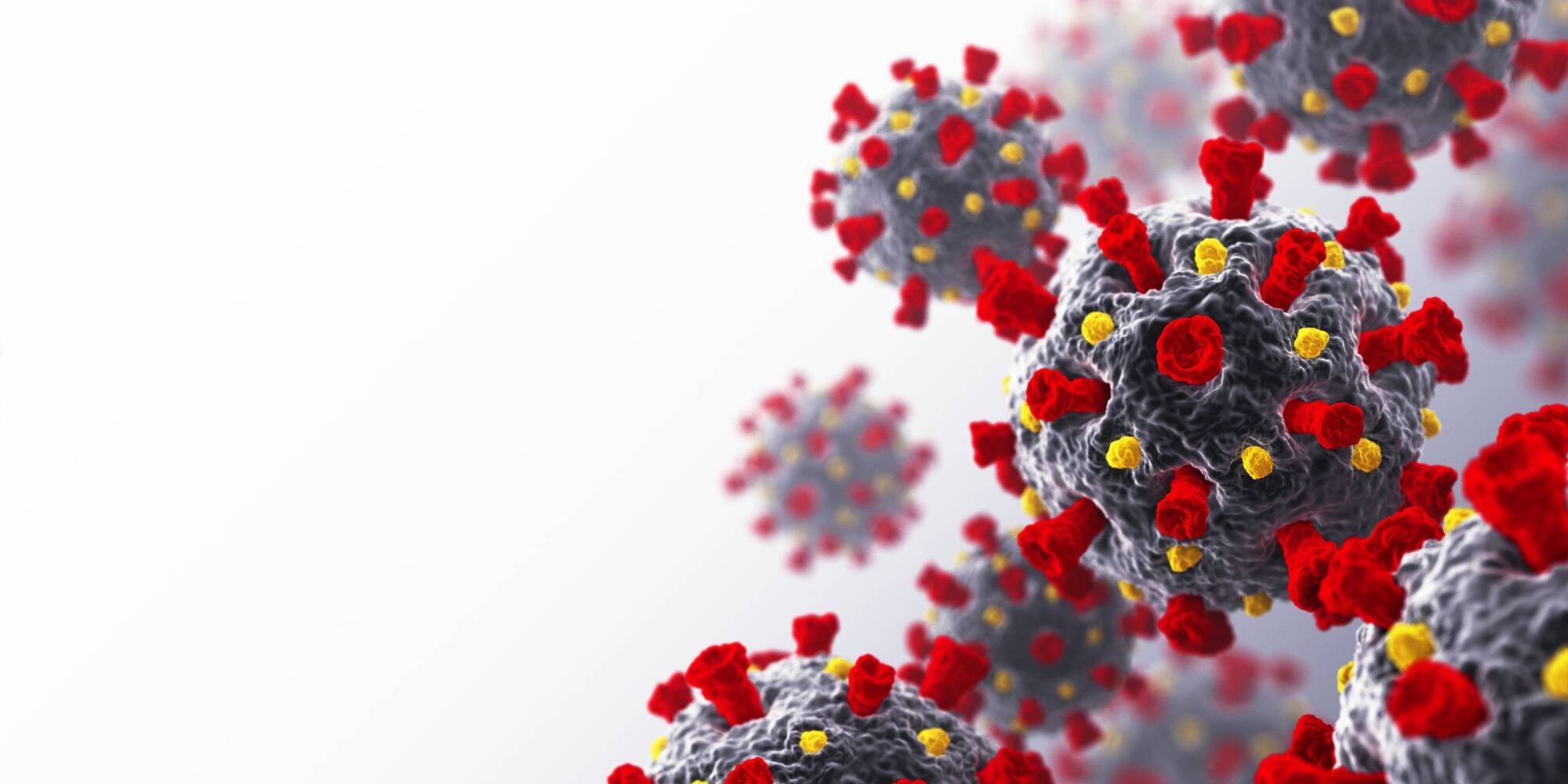
Covid-19 'will evolve to work better, to infect better, in a new host' warns Teagasc researcher Dr John Kenny.
A team of Irish scientists have sequenced more than 2,700 Covid-19 samples in a bid to identify emerging variants that could be of concern.
The Irish Coronavirus Sequencing Consortium (ICSC) is led by researchers at the Teagasc/APC Microbiome Ireland Sequencing Centre at Moorepark in Fermoy, who are working closely with the National Virus Reference Laboratory, other Teagasc centres, and several hospitals and universities.
Across the project, a team of scientists is handling 100-200 Covid-19 samples from hospitals and the community each week to map and monitor the genetic code of the virus and how it is changing.
New research by the All Ireland Infectious Diseases Cohort Study in conjunction with the consortium found that travel was a “significant contributor” to the second Covid-19 wave last autumn.
In the first study to look at Covid variants in Ireland, UCD Professor Paddy Mallon and his team sequenced 255 samples from patients hospitalised by Covid in Dublin and Wexford to find that the virus circulating in the first wave was distinctly different to the variants in the second wave, which had been imported through travel over the summer months.
Three cases of the Brazilian ‘P1’ variant of Covid-19 were confirmed in Ireland last Friday following recent travel from Brazil.
The key concern is that existing Covid-19 vaccines may not be as effective against new emerging variants.
“The virus will evolve to work better, to infect better, in a new host,” said Dr John Kenny, one of the Teagasc researchers involved in the consortium.
Sequencing from the current wave shows that the more infectious UK variant, B117, has become more prevalent since December, which was “unsurprising”, he said.
It is not possible to definitively pinpoint where the virus originated, but changes or mutations provide key information on how the virus is spreading around the world and is feeding into a global surveillance effort, Dr Kenny said.
“When you see very similar mutations appearing and starting to become very successful at a number of different sites across the globe that tells you that those mutations do make a difference for the virus and they do make it more transmissible and more successful,” he said.
CONNECT WITH US TODAY



Be the first to know the latest news and updates