Government urged to bridge public health gaps to avoid wave of Covid-19 infections
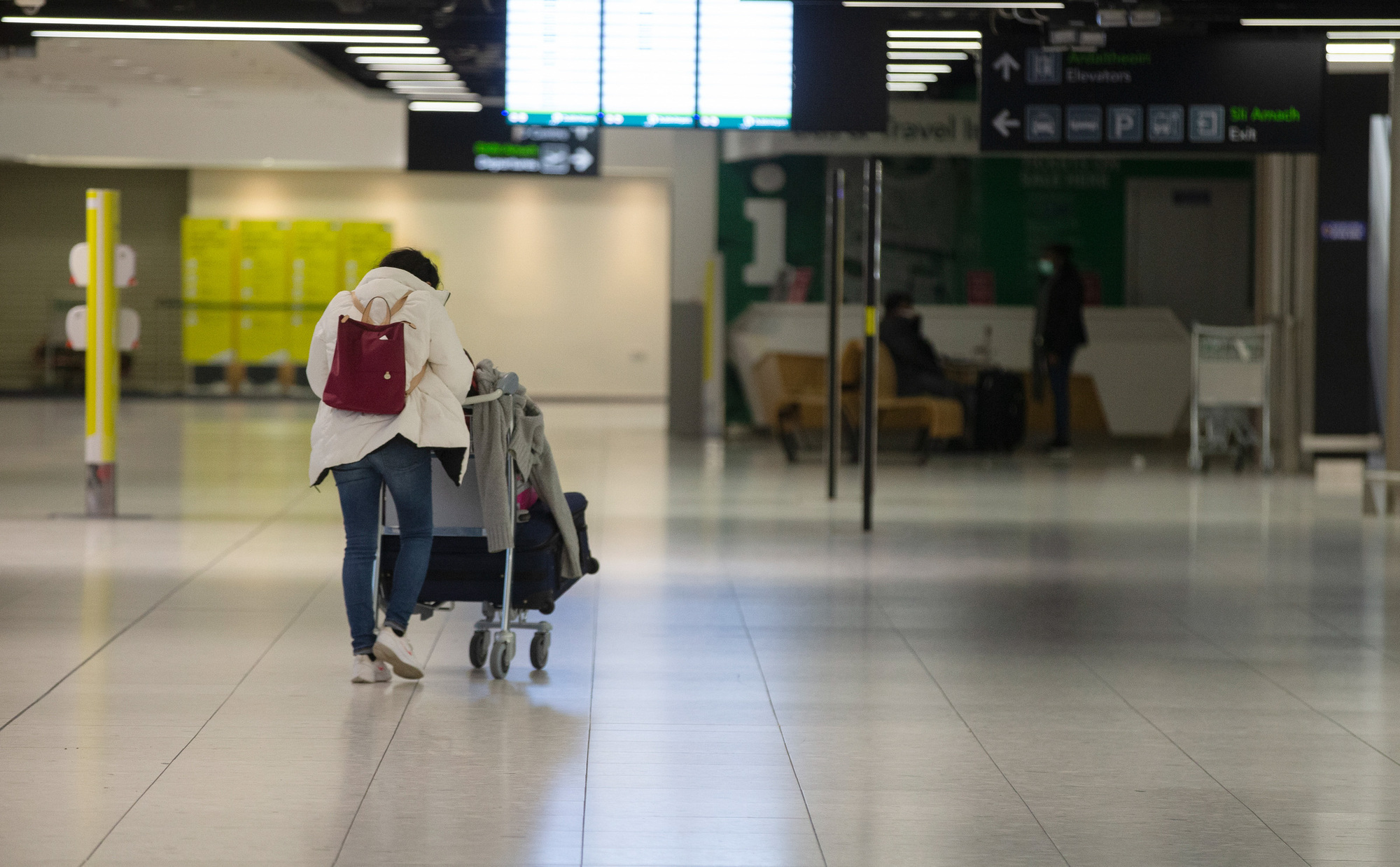
Hotel quarantine for arriving passengers is key to controlling the spread of Covid, says Prof Anthony Staines. Picture: Sam Boal / RollingNews.ie
The country is at risk of a new wave of infections unless adequate contact tracing, hotel quarantine, and border control measures are put in place, according to Dublin City University professor Anthony Staines.
“At the moment we have high case numbers and that leaves us very exposed to everything breaking out again,” Professor Staines said, adding that a Covid-19 positivity rate of between 5-6% was also of concern.
The public health expert said a phased reopening is a “sensible” approach and opening schools should be a “real priority” but expressed concern over ongoing gaps in the public health response.
“Contact tracing and tracking where cases come from, supporting people to self-isolate, and getting test results quickly – all of that is still relatively weak. If that was strengthened, it would be easier to keep things under control, even if we reopened schools,” he said, adding that hotel quarantine and managing the border with Northern Ireland are also key.
The DCU academic said the Government needs to stop talking and start acting on commitments to bolster the public health response.
“We don’t know how a lot of people get infected. We need to know, because if we don’t, how do we manage it, you can’t,” Prof Staines said.
More staff, not necessarily public health specialists, are needed on the ground, he added.
“There is the same number of people working in public health departments now that there were last March, which is ridiculous," he said.
An extra effort will be needed to suppress the more infectious UK variant but a requirement to wear masks in all public settings and ensuring employees work from home, where possible, could help, he said.
“If you have a lockdown lasting until May and if we play our cards right we could use this lockdown to get down to zero or the smallest number possible,” Prof Staines said.
“The smaller the number the safer it is to open the schools and have more children going back to school."
CONNECT WITH US TODAY



Be the first to know the latest news and updates