Covid-19 hotspots: Waterford, Limerick, Mallow and Kanturk among the worst in Munster
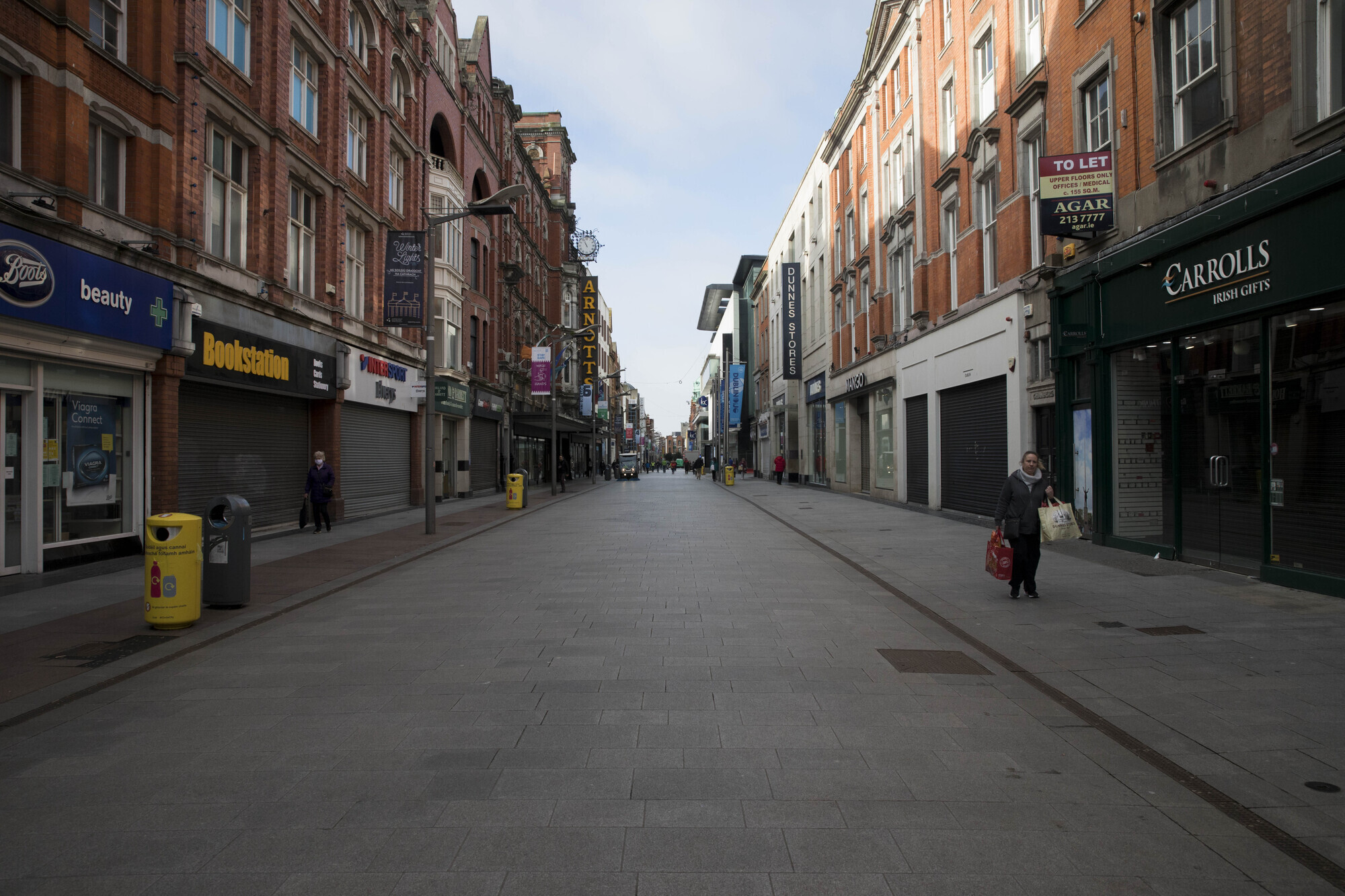
The Government has signalled that current public health restrictions could remain in place until May. Picture: Gareth Chaney/Collins
Covid-19 levels are falling in Ireland but remain high in Galway and Dublin.
Some parts of the country are also showing rising infection rates, despite the overall downward trend.
The latest local electoral area (LEA) data on Covid-19 infection levels show significant shifts in disease patterns across the country, with Galway city centre now having the highest infection rate nationally.
As of February 15, the 14-day infection rate stood at 269.3 cases per 100,000 population nationally, following a significant fall from a peak in January that briefly ranked Ireland as having the highest infection rate in the world.
The 14 day Incidence Rates for Galway City and County for COVID-19 between 10 August 2020 and 15 February 2021.#CSOIreland #Ireland #COVID19 #COVID19Ireland #14DayIncidenceRates #TimeSeries #Galway #10August2020to15February2021 #LocalElectoralAreas #LEA #arcgispro pic.twitter.com/jJQ6BgugrO
— Central Statistics Office Ireland (@CSOIreland) February 19, 2021
Infection rates in the Galway city central area are now three times the national average at 951.2 cases per 100,000 people, with more than 250 cases of the virus detected in just two weeks in the area.
The top 10 Covid-19 hotspots further show that infection rates remain high in parts of Dublin and some rural towns, such as Monaghan and Enniscorthy, where rates are more than or almost double the national average.
Rates are also rising in Tullamore, Ballymun-Finglas and Tallaght South.
At the other end of the scale, Killaloe in Clare has the lowest infection rate nationally at 34.8 cases per 100,000 population, having fallen from a peak of more than 1,600 cases per 100,000 population in mid-January.
This week, health officials raised concern that the fall in infection rates was showing signs of plateauing. They stressed that given the more infectious nature of the now-dominant UK variant, an extra effort will be required to bring Covid-19 levels down.
The 14 day Incidence Rates for Cork City and County for COVID-19 between 10 August 2020 and 15 February 2021.#CSOIreland #Ireland #COVID19 #COVID19Ireland #14DayIncidenceRates #TimeSeries #Cork #10August2020to15February2021 #LocalElectoralAreas #LEA #arcgispro pic.twitter.com/F88NjfKWP8
— Central Statistics Office Ireland (@CSOIreland) February 19, 2021
The LEA data suggests that infection rates may be plateauing in parts of Munster, where the rate of decline appears to be slowing in parts of Limerick city and in the Mallow area in Cork.
In terms of hotspots, Limerick and Waterford city continue to top the table in the Munster region, while more rural areas such as Mallow and Kanturk also feature in the top 10.
While Covid-19 infection rates are continuing to fall, the pace of decline has slowed in parts of Limerick city, from 289.4 cases per 100,000 population on February 8 to a rate of 275.1 cases per 100,000 population on February 15 in the western part of the city and from 242 cases per 100,000 population to 227.6 cases per 100,000 population in the northern part of the city over the same period.
A similar trend was seen in Mallow, where the infection rate fell slightly from 301.8 cases per 100,000 population to 295 cases per 100,000 population in the week to February 15.
Health officials have warned that infection levels remain high and the Government has also signalled that current public health restrictions could remain in place until May.


CONNECT WITH US TODAY



Be the first to know the latest news and updates