Two-thirds of young drivers use smartphones to change music while driving
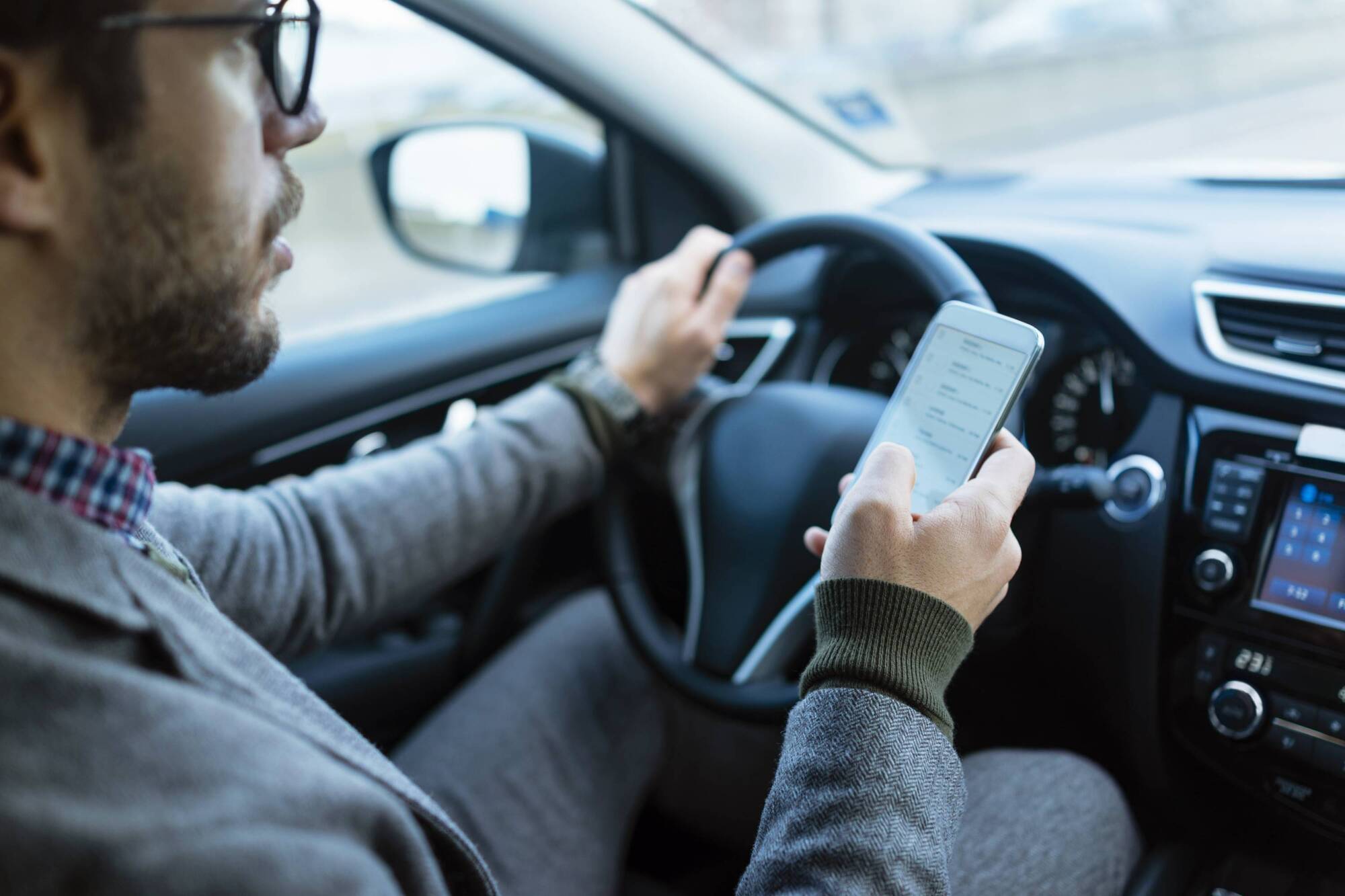
People who admitted to using their smartphone to make calls while driving were most likely to engage in other types of risky motoring. Stock picture
Two-thirds of novice drivers admit to using their smartphone to play or change music while driving – but research has found that those who speak on their phones are most likely to engage in risky driving behaviour overall.
A new study from researchers at the University of Limerick in collaboration with the Institute for Insurance Studies in Cologne, Germany, found that over one-fifth of young drivers "often" or "almost always" use their phone to change music when behind the wheel.
A similar percentage of the 700 learner drivers in Germany changed or searched music on smartphones while driving.
Sending voice or text messages was less prevalent, while 65% said they never spoke on the phone while driving.
The researchers also received data on the prevalence of other risky driving behaviours, such as drug-driving and speeding, and found that people who admitted to using their smartphone to make calls while driving were most likely to engage in other types of risky motoring.
"Speaking on a smartphone while driving is a highly discriminating variable and is largely associated with more egregious driving behaviours," it said. "Speak is strongly associated with high-risk driving behaviours such as ... driving without a licence ... driving while under the influence of drugs and ... driving through red traffic lights."
Overall, some 14% of those surveyed reported regularly using their smartphone while driving, with men more likely to do so than women.
"Overall, the data suggests that young novice drivers (YNDs) who reported to speak on a hand-held phone, read texts, send texts, hide their phone while texting and send voice messages are more often engaged in other risky driving behaviour than YNDs who only indicated music-related behaviour," the authors said.
It said there were two exceptions: "a moderately-strong correlation effect between ‘searching for music’ and overtaking on the right side as well as ‘changing music’ and taking more passengers than seatbelts available in a car. The data suggests that those who reported talking on a hand-held phone are associated with the riskiest behaviours."

CONNECT WITH US TODAY



Be the first to know the latest news and updates