Big surge in eating disorder referrals during Covid-19 lockdown
Big surge in eating disorder referrals during Covid-19 lockdown

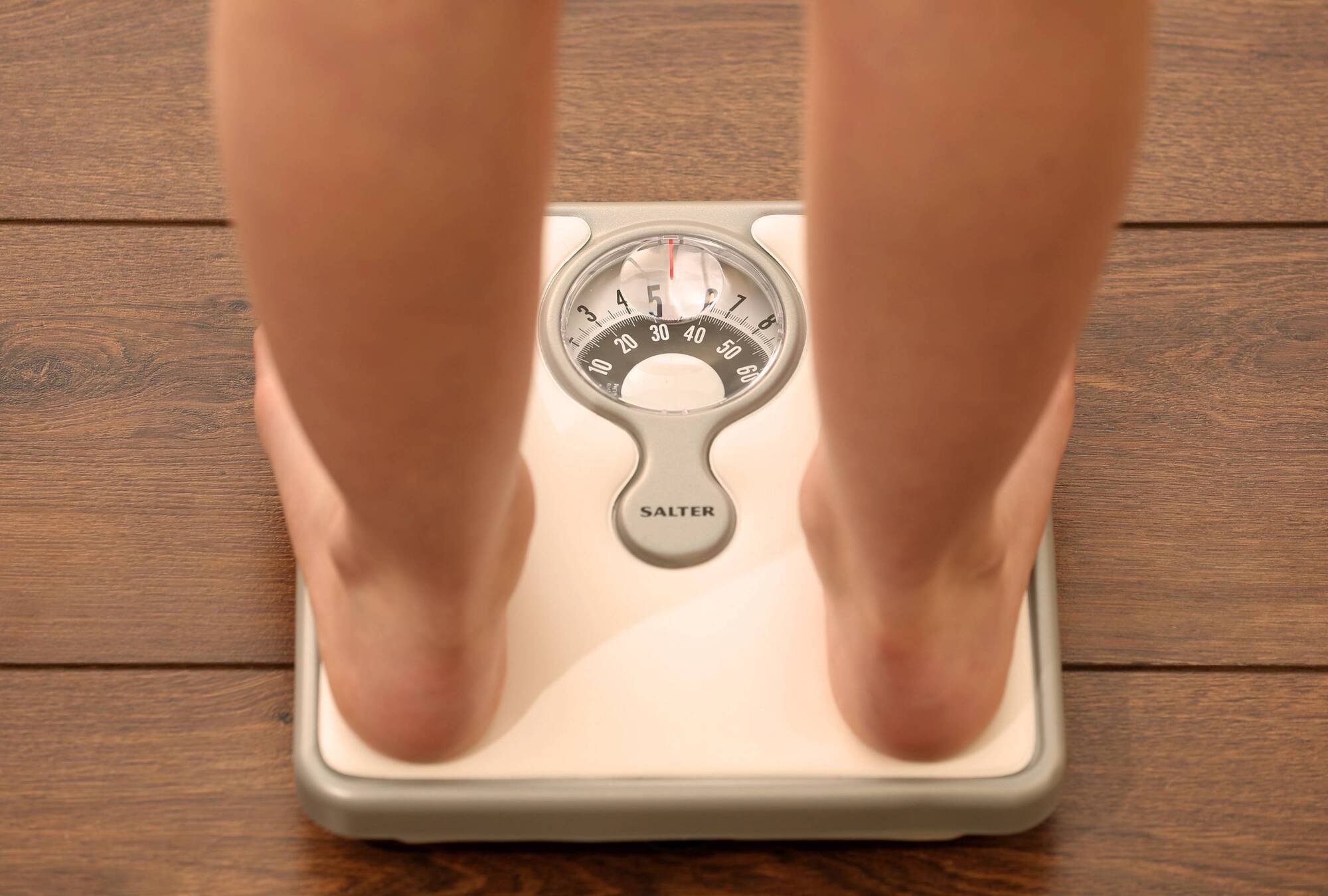
Experts said that almost half of the eating disorder referrals seen during the pandemic came in the last three months of 2020 to just one adolescent service. File picture: PA

Eating disorder services and GPs around Ireland reported a large increase in eating disorders during the Covid-19 pandemic, particularly in the final months of 2020, according to psychiatrists from the College of Psychiatrists of Ireland.

Eating disorders are complex conditions which impact a person's attitudes and behaviours in relation to food. They have the highest mortality rate of any psychiatric issue.


Experts have suggested that anxiety caused by the pandemic is leading to relapses in eating disorders, and a reliance from some health services on phone consultations is leading to difficulties in diagnosing these issues.

Dr Caroline Maher, Consultant General Adult Psychiatrist, and Dr Sara McDevitt, Consultant Child and Adolescent Psychiatrist are co-chairs of the Eating Disorder Special Interest Group of the College of Psychiatrists of Ireland.

Both psychiatrists explained that the Covid-19 pandemic saw increased reports of eating disorder issues from eating disorder services and GPs around Ireland.

They explained that almost half of the eating disorder referrals seen during the pandemic came in the last three months of 2020 to just one adolescent service.

Dr Sara McDevitt: “Both community eating disorder services and GPs are reporting a large rise in eating disorders during the Covid pandemic, with almost half of 2020 referrals being made in the last three months of the year to one adolescent service.” 

“For some adolescents, this is a first eating disorder presentation.

“For others, the impact of the pandemic has delayed their recovery or caused a relapse,” she added.

Anxiety, depression and severe distress are very high.

“Of particular concern is a level of severity and medical instability not previously seen with adolescents needing referrals to emergency departments and acute hospitals for medical stabilisation.

“A challenge is that it is difficult to identify such medical deterioration in people with eating disorders by phone or video consultation, and access to blood tests and ECG’s (electrocardiogram) at the GP may be less now."

Dr Caroline Maher said: "Adult referrals have also increased significantly in 2020, notably in the 18-to-24 age group.

“People are presenting with a new illness, or a relapse which has been triggered by lockdown,” she said.

“There are also higher numbers of people with binge eating disorder and bulimia nervosa than previously, and an increase in male referrals."

A recent study published in the Irish Medical Journal last month revealed that hospital admissions due to eating disorders have increased by 66%.

Researchers from Temple Street Children's University Hospital and the School of Medicine at University College Dublin found a 25% rise in patient admissions relating to eating disorders between March and September 2020, compared to the same timeframe in 2019.

They also found that 40% of those admissions were male, which they say is “considerably higher than any previous year”.

The research stated that distress and anxiety relating to the Covid-19 pandemic are likely to have played a role in the increase.

More in this section

Lunchtime News

Newsletter

Keep up with stories of the day with our lunchtime news wrap and important breaking news alerts.

Cookie Policy Privacy Policy Brand Safety FAQ Help Contact Us Terms and Conditions

© Examiner Echo Group Limited