Decision to deny top academic entry into race to become Trinity's first female provost 'draconian'
Decision to deny top academic entry into race to become Trinity's first female provost 'draconian'

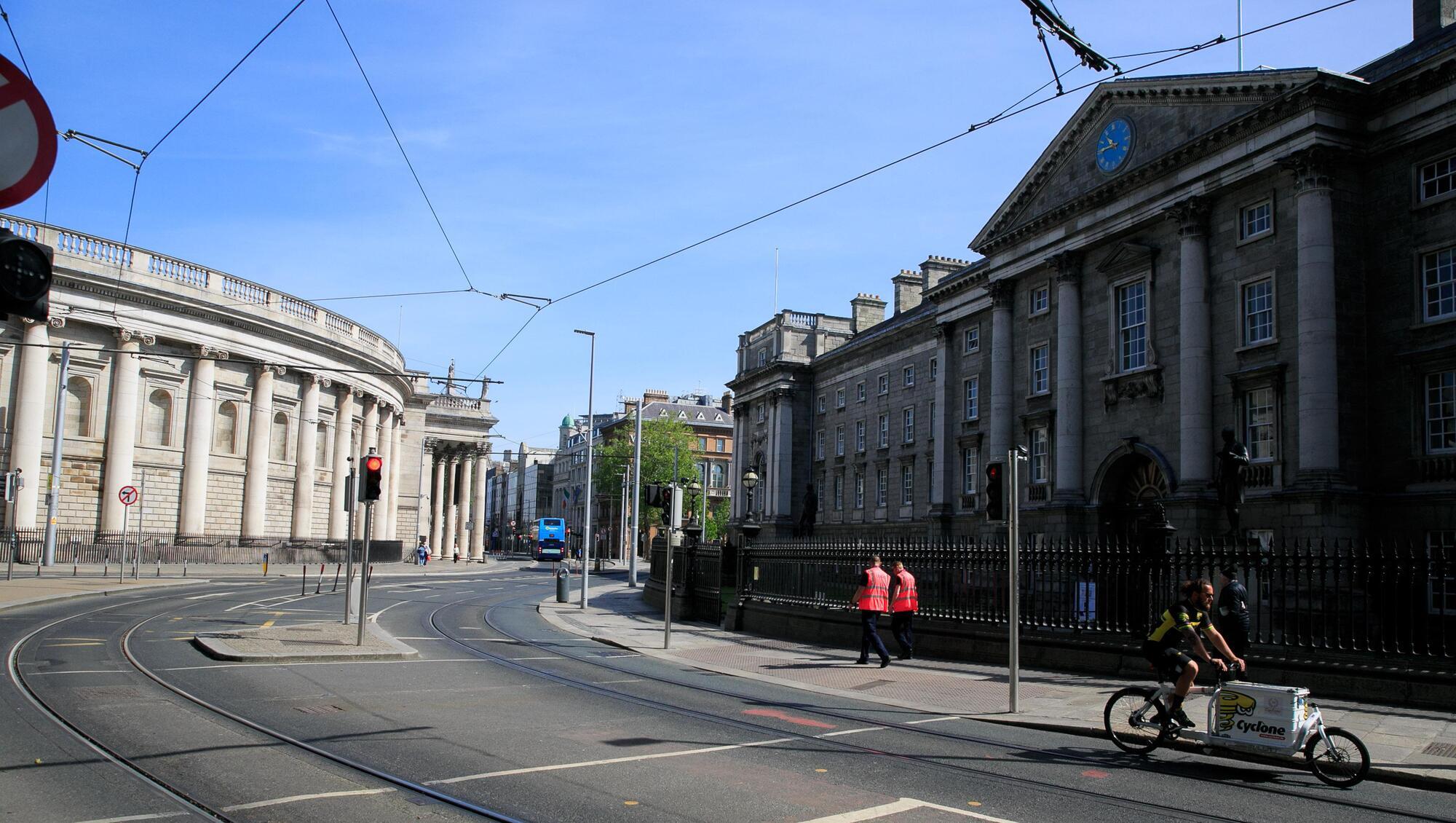
Trinity has so far refused to disclose its reasons for not allowing Dr Sarah Alyn-Stacey to go before its 800-plus electors. Picture: Gareth Chaney Collins

A decision to deny a top academic entry into the race to become Trinity’s first female provost has been blasted as “draconian and disproportionate”.

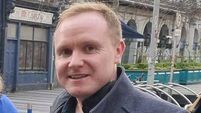
Dr Sarah Alyn-Stacey, a French lecturer and known advocate for academic freedom was, following a hearing last Thursday of an internal committee, refused entry from the race to succeed Paddy Prendergast as head of Ireland’s oldest university.

 
Three candidates were confirmed and they are Linda Doyle, professor of engineering and the arts; Linda Hogan, professor of Ecumenics and Jane Ohlmeyer, Erasmus Smith's professor of modern history.

The college has so far refused to disclose its reasons for not allowing Dr Alyn-Stacey to go before its 800-plus electors.

Former senator Sean Barrett, a recent pro-chancellor of Trinity, blasted the interview committee’s decision to deny Dr Alyn-Stacey entry to the provost elections, referring to it as “draconian and disproportionate”.

Dr Barrett admonished the decision to disqualify Dr Alyn-Stacey, saying that “our voting rights are diminished, and the good name of TCD is tarnished because Irish society is deeply committed to the ballot box without disqualifications”.

Dr Barrett, who served as a member of the last provost election’s interview committee, explained that: “In the wider democratic society, it is over 100 years since the last Irish parliamentary disqualification.”

Dr Alyn-Stacy has said the college has “blurred” the distinction between an election and an appointment and given HR a “crucial role” in who will be the next Provost.

An open letter, endorsed by 23 Trinity postgraduate students and two Trinity alumni, condemned the disqualification of Dr Alyn-Stacey, saying it was “obscure and anti-democratic”.

In a statement to the student newspaper University Times, Trinity College said: “While it would be wrong to comment on any individual application, the university is completely satisfied that the process meets the necessary criteria. Candidates may appeal a decision of the interview committee to the appeals committee, also appointed by the Board.”

More in this section

Lunchtime News

Newsletter

Keep up with stories of the day with our lunchtime news wrap and important breaking news alerts.

Cookie Policy Privacy Policy Brand Safety FAQ Help Contact Us Terms and Conditions

© Examiner Echo Group Limited