Growth of 1,200% in electric vehicles expected by 2030
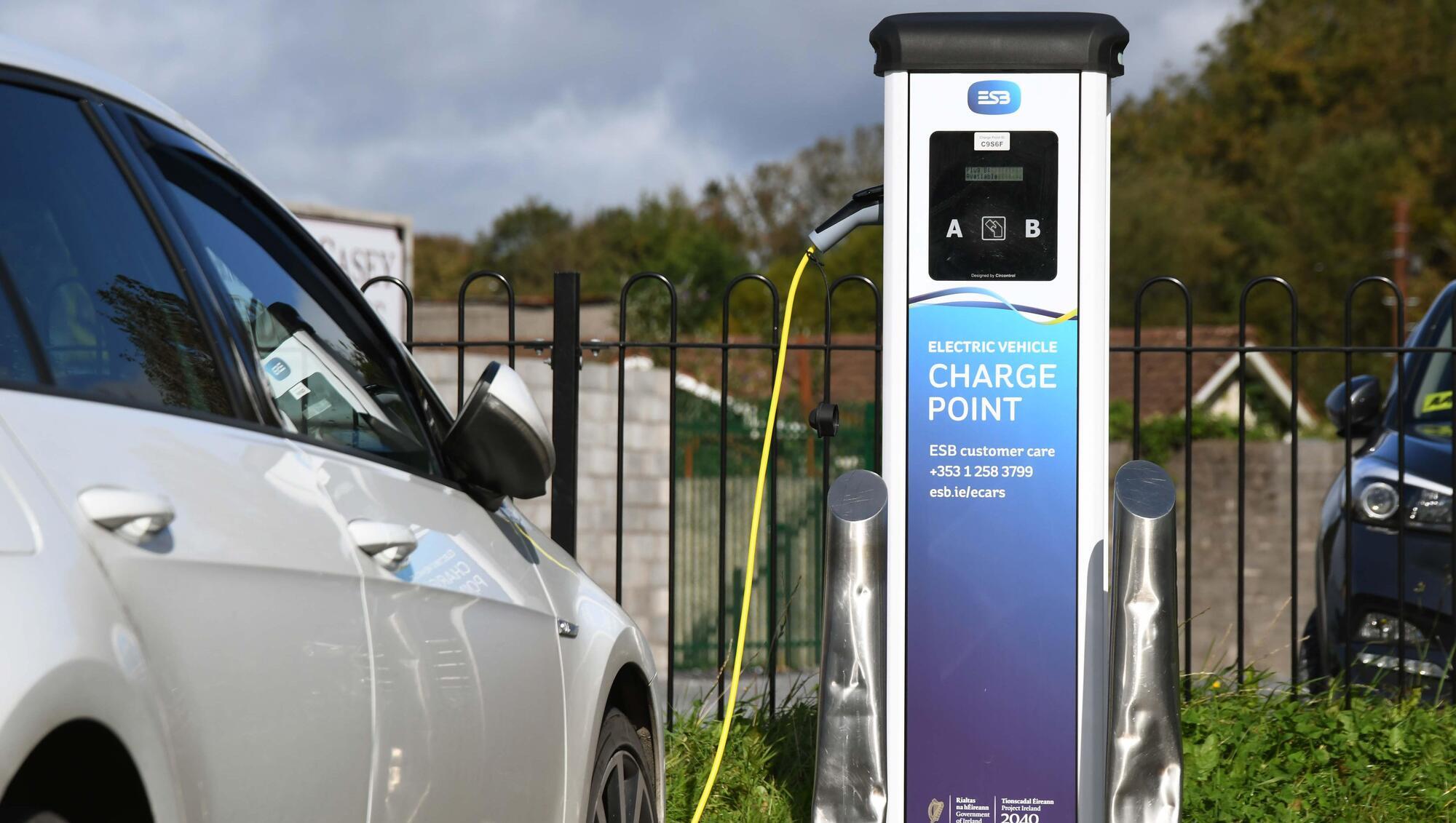
As many as 40m electric vehicles should be on Europe's roads by 2040. Picture: Denis Minihane.
Every 10th new car sold in Europe at the end of 2020 was either a pure electric or plug-in hybrid, with sales of electric vehicles (EVs) passing the 1m mark before the end of the year.
Such figures are evidence that Europe is at the cusp of a "massive evolution" in the future of transport and is a decisive turning point in achieving up to 40% of EV sales by 2030, thereby putting Europe’s carbon-reduction targets within reach, a major two-day conference has heard.
A joint report by the European federation for the electric industry, Eurelectric, and global professional services firm EY, said that while road transportation accounts for almost a quarter of Europe’s total greenhouse gas emissions, cutting those by 10% year on year means the continent "stands a very good chance of meeting its 2030 emissions target".
It would also pave the way to a 90% reduction in transport-related emissions by 2050, the report said.
In order to achieve the ambitious targets, automakers must scale up EV production, reduce upfront costs, and improve vehicle availability, choice and range, it added.
Of the 308m motor vehicles on Europe’s roads today, 3m, including cars, buses, and trucks are electric, and the continent can expect at least 1,200% growth to 40m EVs in Europe by 2030, the report claimed.
However, charging points remain a major barrier, it said.
"EVs are going nowhere without an interoperable charging network. By 2030, 3m public charge points will be needed for 40m EVs, at an estimated cost of €20bn. At just 213,000 today, we are way off target," the authors said.
Business and industry held the key in accelerating the change, with company vehicles primed to take the lead, Eurelectric and EY said.
Fleets are the "quick win that will make the biggest and fastest contribution to the decarbonisation of road transport", the report said.
At 63m vehicles, fleet accounts for 20% of the European total, travels more than 40% of total kilometres, and contributes half of total emissions from road transport, according to the authors.
In Ireland, Transport Minister Eamon Ryan has previously conceded that the country is far behind where it should be when it comes to charging infrastructure for EVs.
He told an Institute of International and European Affairs event on Irish energy policy and the transition to net-zero emissions in December that "we will have act fast, because these cars are coming at scale, and will need powering".
Ireland was one of the first countries to have a charging infrastructure that "really put us up ahead of the pack", but "we have fallen behind from where we need to be", Mr Ryan said.
There are currently around 1,100 public charge points available nationwide, according to the ESB.
The firm said is currently investing €20m in a "comprehensive programme to expand and enhance the charging network".
CONNECT WITH US TODAY



Be the first to know the latest news and updates