Ireland’s rating slips in 2020 international corruption index
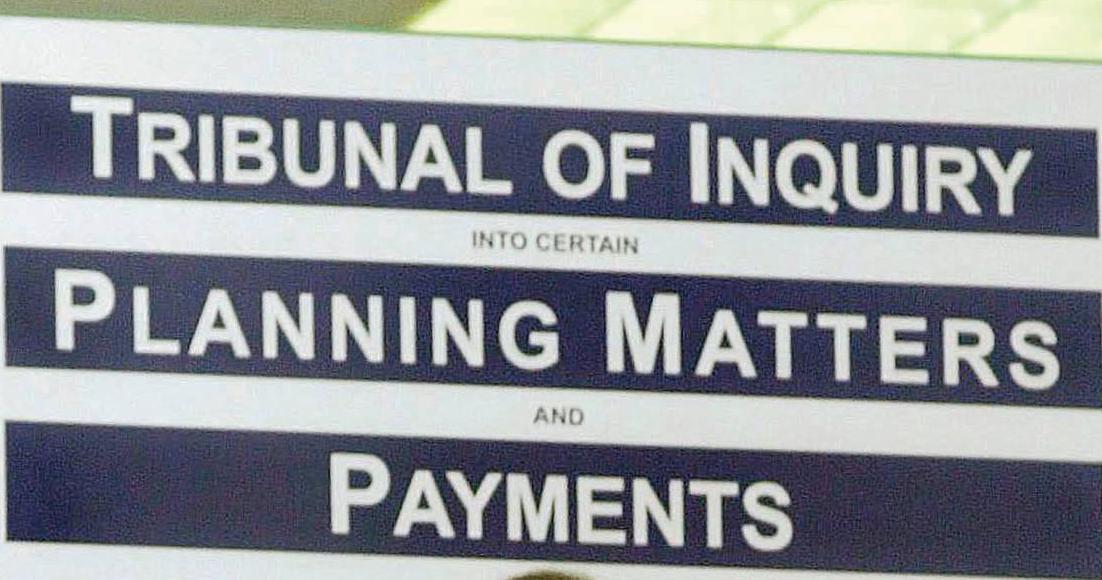
Transparency International Ireland said outstanding recommendations from the Mahon planning tribunal, which concluded in 2012, should be progressed.
Ireland’s rating in an international corruption index slipped to 20th place in 2020, leading to calls for outstanding recommendations from the Mahon Tribunal to be progressed.
The Corruption Perceptions Index (CPI), a measure of public-sector corruption collated by Transparency International, has found that Ireland fell by two points, from 74 to 72 out of 100, last year.
The CPI score ranks Ireland in 20th place out of 180 countries across the globe, behind the Netherlands, Germany and UK but ahead of France, Spain and Portugal.
The score is based on the findings of seven surveys, conducted by international think-tanks and political risk agencies.
Denmark and New Zealand are ranked as the least corrupt countries on the global index with a score of 88 out of 100, while Somalia and South Sudan are considered to be most affected by corruption with a score of 12 out of 100.
Western Europe and the European Union was the highest scoring region globally with an average score of 66 out of 100 points in 2020.
Across Europe, the index report singled out Malta and Poland as countries having poor rankings. With a CPI score of 56, government leaders in Poland were exploiting the Covid-19 crisis for political gain, while there were concerns over significant corruption challenges in Malta, which had a CPI score of 53.
Commenting on Ireland’s ranking in 2020, Transparency International Ireland (TI Ireland) said there was no room for complacency and that outstanding recommendations from the Mahon planning tribunal, which concluded in 2012, should be progressed.

“While Ireland is not confronted with corruption to the same degree that has plagued some of the world’s poorest and badly-governed countries, it should be remembered that it’s not that long ago that the Mahon Tribunal described corruption as ‘endemic’ in Irish politics. We cannot afford to be complacent,” John Devitt, chief executive of TI Ireland said.
Some welcome changes and reforms were made since then, he said, adding that many of the recommendations of the Mahon Tribunal, such as the Public Sector Standards Bill, had “fallen by the wayside”.
“Politicians from both government and opposition need to see the restoration of this bill and our participation in initiatives such as the Open Government Partnership without delay,” Mr Devitt said.
TI Ireland said the recent publication of measures to tackle ‘white-collar crime’ on foot of the Hamilton Review were welcome and should lead to the development of a national anti-corruption strategy.
The not-for-profit organisation has called for the creation of an independent national anti-corruption bureau dedicated to investigating political corruption and related offences and for additional resources for the Garda Economic Crime Bureau and its Anti-Corruption Unit.
The organisation operates a helpline for whistleblowers, as well as witnesses and victims of fraud, corruption and other wrongdoing, which can be contacted on 1800 844 866 from 10am to 6pm Monday to Friday.

CONNECT WITH US TODAY



Be the first to know the latest news and updates