Dublin's homeless 'ghettoised' by overuse of private hostels
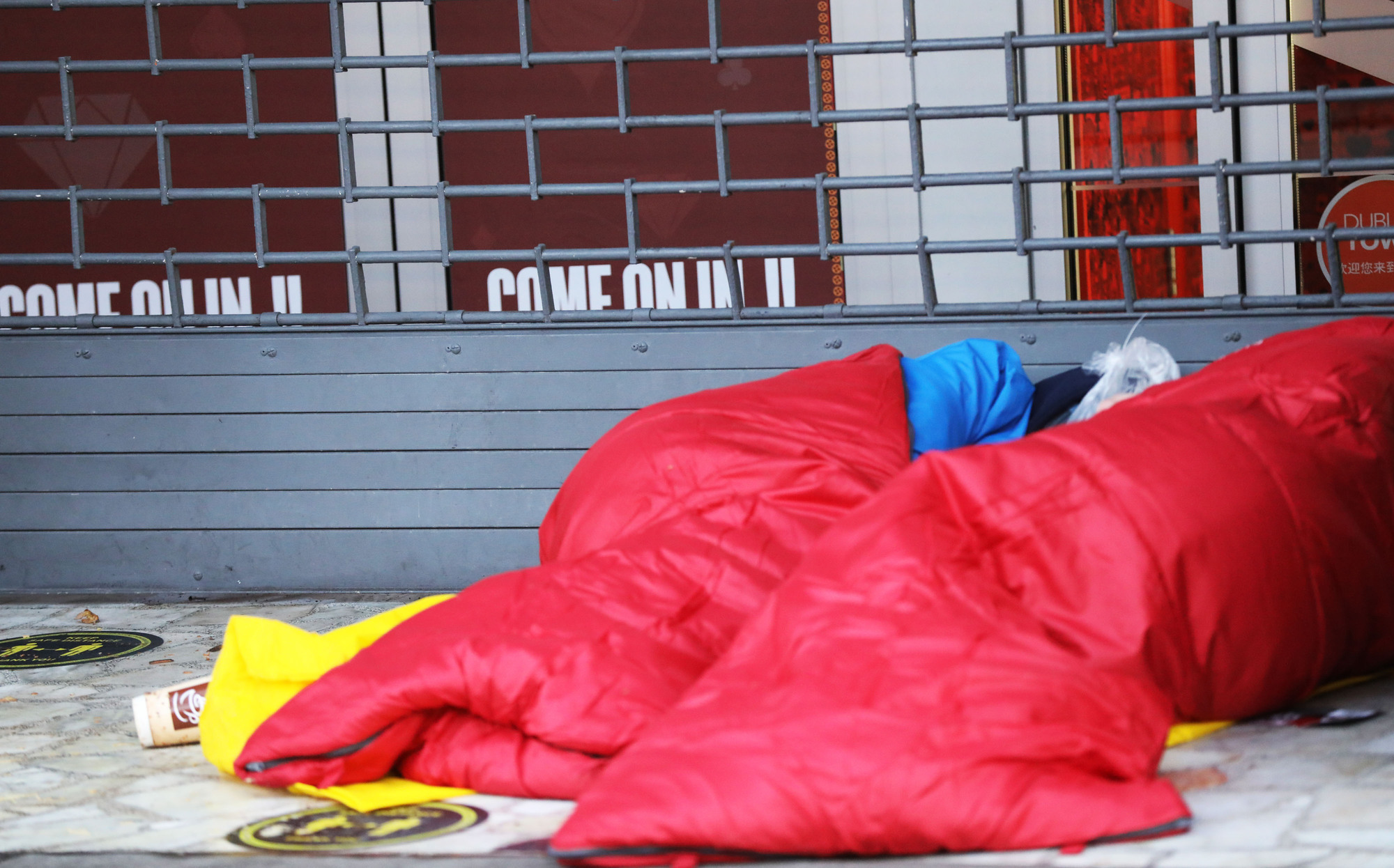
Homeless deaths in the capital rose 61% in 2020, an Oireachtas committee has been told. Picture: Leah Farrell / RollingNews.ie
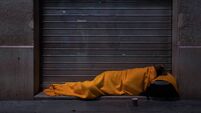
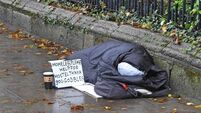
Homeless people in Dublin are being "ghettoised" by the concentrated use of private hostels, as homeless deaths in the capital rose 61% in 2020, an Oireachtas committee has been told.
Fianna Fáil senator Mary Fitzpatrick warned the Oireachtas Housing Committee that the use of private hostels had become too widespread and had set back many homeless people who had previously been out of services and would be hesitant to enter the premises.
Oir Housing Committee now holding hearing on deaths of people in homelessness, family homelessness, provision of emergency accommodation & fallout from #RTEInvestigates Stuck in the Rough. Hearing from @HomelessDublin @novasireland Prof Eoin O’Sullivan & Alice Leahy. pic.twitter.com/zMRnbJpgy6
— Eoin Ó Broin (@EOBroin) January 29, 2021
Ms Fitzpatrick said the facilities "have bouncers and security on the doors" and this indicated they were not safe, using North Frederick Street on Dublin's northside as an example.
"It is a street of only 100 metres or so, but seven hostels that are privately operated have opened on it in the past six months. They are operated by bouncers and security personnel. When they were open I would not have gone into a pub in Dublin that had a bouncer outside it. I will not in the future either because that would indicate to me that the pub was not well-run.
"These are people who had been getting on with their lives. Many of them had been living in rented accommodation."
The head of housing with Dublin City Council Brendan Kenny said Covid-19 had "worsened the crisis" in emergency accommodation.
"We had to empty some of the hostels in the city. We had to thin out most of the hostels for social distancing purposes and so on. We had to very quickly acquire hostels in the city, otherwise, more people would have been sleeping on the street and dying on the street.
"Our only option was to go out and source accommodation in the private sector. We know that the opportunities that came to us may have resulted in high concentrations in the areas where there was already a high concentration previously. We had to do that."
On the issue of local connection, which has seen people from outside Dublin turned away from hostels, Mr Kenny said "nobody is being turned away" at present. He said an RTÉ programme aired last week showed an incident where a man was denied access to the capital's services due to being from outside Dublin and this "wasn't right" and something for which the council apologised.
He told the committee that local connection was "not a barrier" to accommodation and said that the council would publish inspection reports on hostels, which it had not been previously doing.
Mr Kenny said the "key issues" in terms of deaths in homeless services were addiction and mental health.
Social Democrats Housing spokesperson Cian O’Callaghan has written to housing minister Darragh O'Brien to ask that he meet frontline homelessness services about the issue.
Mr O'Callaghan said it was unacceptable that the National Quality and Standards Framework for homeless service providers was not being applied to private providers of emergency accommodation. He said this contradicted what the Housing Minister told the Dáil on Thursday.
Fine Gael's Emer Higgins said it was "disheartening" to hear that some homeless people would "rather be in a tent on the canal than in emergency shelters".
Mr Kenny acknowledged there was an increase in the numbers of tents around Dublin but said many services were warm, safe and well-managed. He said there were 116 beds empty in the Dublin system on Sunday night.
"We believe it's much better for people to be in the services. We understand that it's not that simple, but it's much safer and much more hygienic to be in a service."
Alice Leahy of The Alice Leahy Trust said young people can fall into homelessness very quickly and said it was imperative they are "supported" before they can become long-term homeless.
Dr Una Burns from homeless agency Novas said the homeless HAP payment needed to be raised outside of Dublin to bring it into line with Dublin's rates.


CONNECT WITH US TODAY



Be the first to know the latest news and updates