Children have 'borne the brunt' of Covid pandemic, research finds
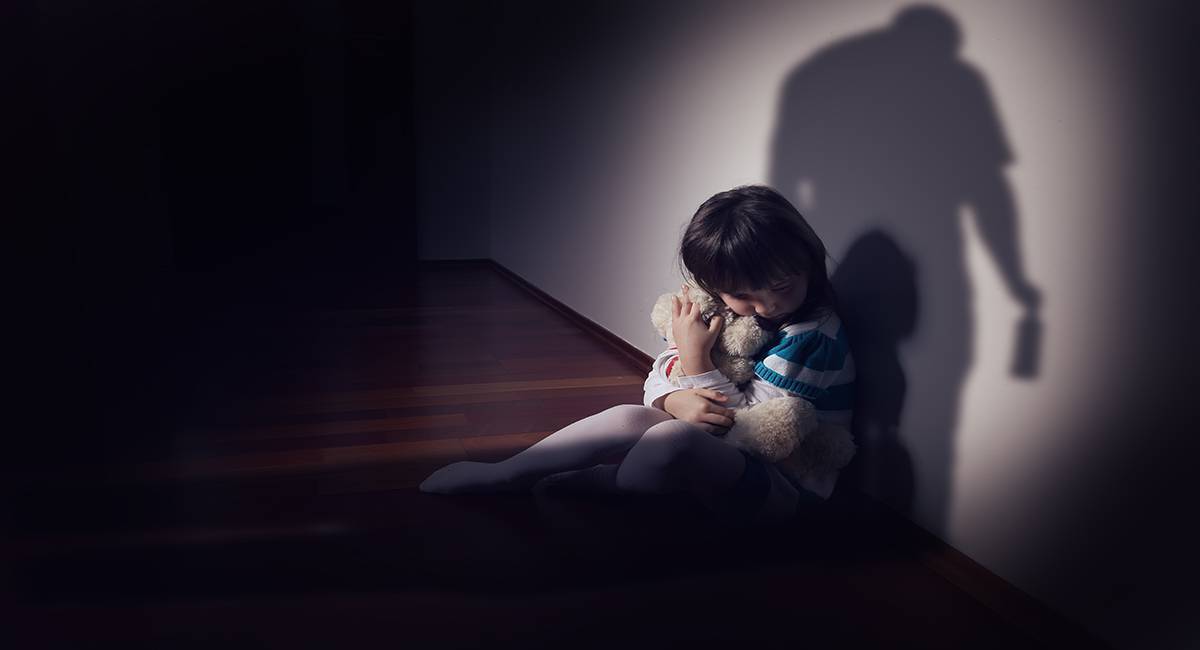
Issues raised by those interviewed included negative behavioural changes, the difficulty of being confined in the household, and depression/anxiety among young people.
Children have "borne the brunt" of the pandemic so far, according to a new report which shows families under strain because of issues including homeschooling and social isolation.
The study, A Qualitative Study of Child and Adolescent Mental Health during the COVID-19 Pandemic in Ireland, is published in the and involves input from 48 families based in all-but-two counties around Ireland, in which children ranged in age from four to 18.

A total of 94 people were interviewed, including 45 children, regarding the first lockdown. A follow-up study on lockdowns two and three is currently under way.
The study found more than half those interviewed believed children had borne the brunt of Covid-19 and 80% said social isolation was a major factor, while 69% admitted stress over home-schooling.
Other issues raised by those interviewed included negative behavioural changes, the difficulty of being confined in the household, and depression/anxiety among young people.
“My conclusion is that children have borne the brunt of this," one parent told the researchers. According to the study: "Children were socially withdrawn and socially isolated – and parents said that children felt it much more than adults due to their lack of fluidity with digital means of communication."
Another parent said:
As for homeschooling, one 11-year-old said: "There were so many projects, nearly there was one project every week and then there was like every single subject on the thing and like she’s getting us to do like so much."
Parents also described their children struggling with the enormity of the pandemic and the associated restrictions, while parents of children with special needs faced additional difficulties.
According to the study: "The key findings suggest that public health restrictions had adverse implications on children and adolescents’ mental health. Parents and caregivers reported higher levels of stress, depression, and anxiety among their dependents resulting from social isolation. These conditions were exacerbated in children and adolescents with developmental disorders."
It said there was a growing need to implement policies that will help children and adolescents cope with the psychological effects of the pandemic, and to ensure mental health services for young people are easily accessible.
Dr Katriona O'Sullivan, a psychology lecturer at Maynooth University and lead author of the research, said it was clear from conducting the interviews that many families were under pressure. She said it was surprising how open many of the younger people were about how they were feeling.
"All of the parents were stressed over home-schooling," she said, adding it was worth questioning whether it was actually practical for parents to both work from home and home-school.
As for children, she said: "The interaction with schools [this time] is better but psychologically it is worse now."
She said she believed this was the case based on feedback from interviewees and a sense that young people are asking "when is this ever going to end?"