Importing used cars has become far more complicated and expensive
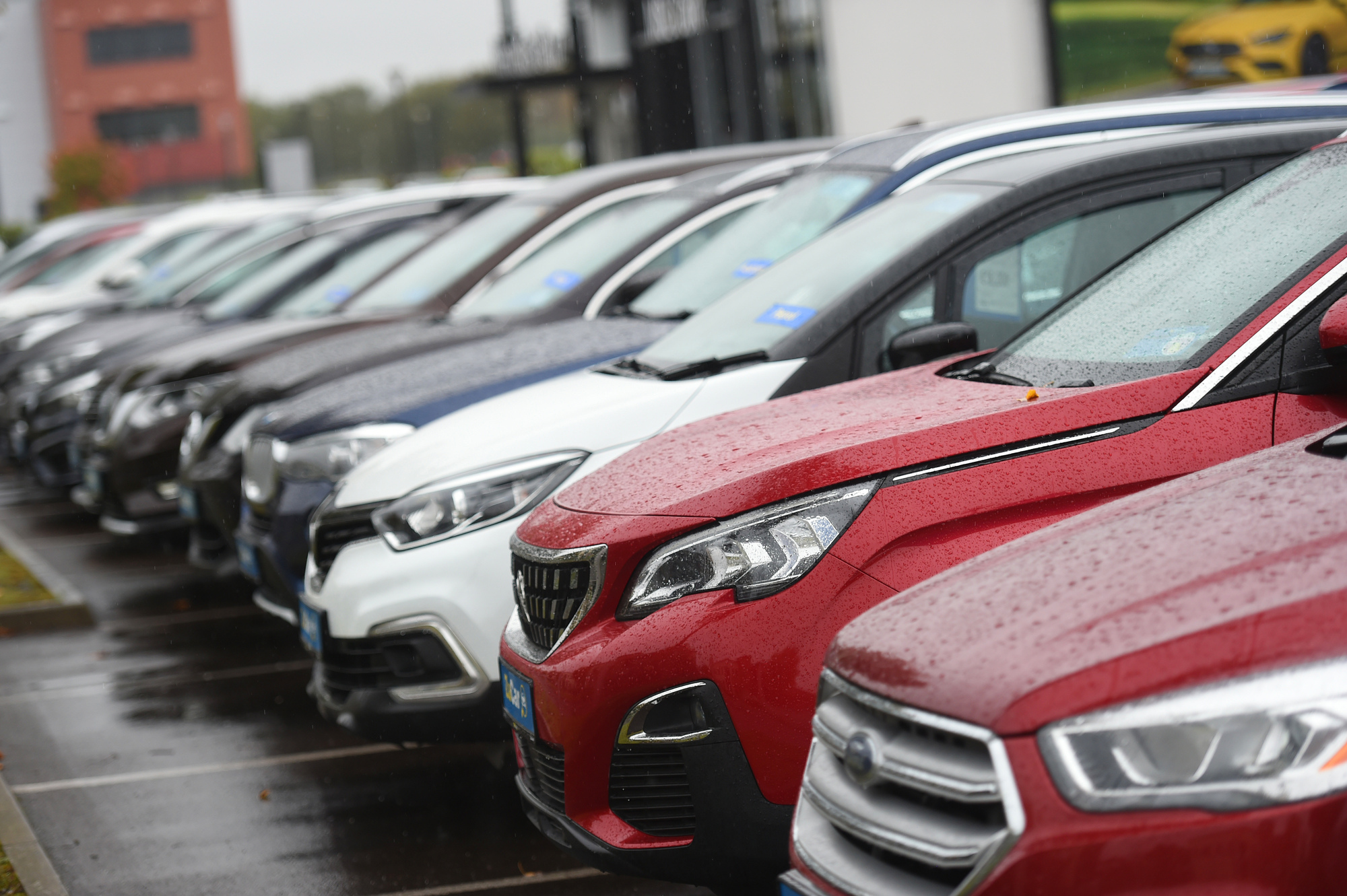
Before January 1, Irish motorists buying a vehicle from Britain were not subject to paying Vat unless the car was less than six months old, or there was less than 6,000km on the clock. Picture: Larry Cummins
Thousands of Irish motorists looking to import high-end cars from Britain have been warned that the procedure to do so has now become far more complicated and costly following Brexit — even with a deal in place between the EU and its former member.
Before January 1, Irish motorists buying a vehicle from Britain were not subject to paying Vat unless the car was less than six months old, or there was less than 6,000km on the clock. There was also no import duty payable once it was brought in.
There has been an explosion in the numbers of Irish people looking to Britain for high-end cars such as BMW, Audi, Mercedes, and Volvo in recent years, seduced by the savings that could be made when compared with buying similar vehicles in Ireland at a far higher overall price.
Even when paying the vehicle registration tax (VRT) after bringing it in, the savings were still in the thousands for most motorists.
The market peaked in 2019, when almost 109,000 cars were brought in from Britain and Northern Ireland combined, with the new car market in Ireland a casualty of that new import trend, plummeting to 113,000.
Irish motorists had a particular taste for Volkswagen in 2019, with almost 13,000 brought over, followed by 12,000 Fords, 10,500 Audis, and 8,300 BMWs.
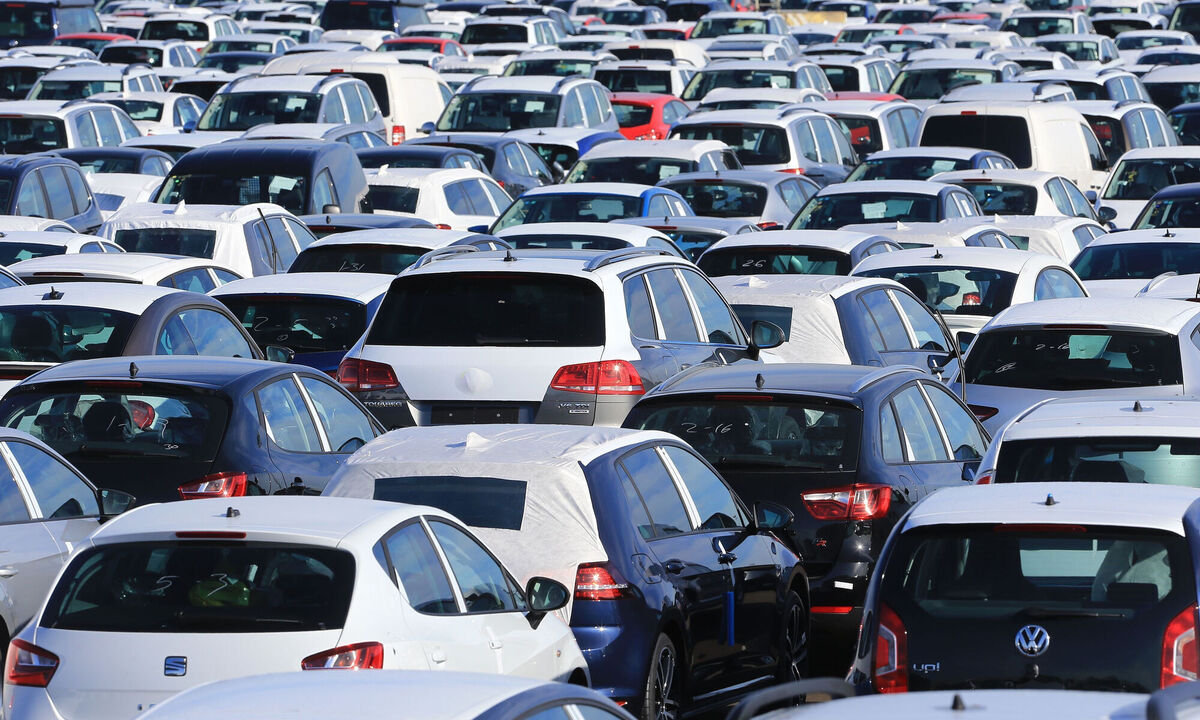
While the Covid-19 pandemic put paid to such high numbers of imports in 2020, it remained a robust competitor for new car sales in Ireland.
Almost 70,000 used cars were registered for the first time up to the end of November 2020, according to the CSO.
"Very significant changes take effect if you import a used car into the State from the UK, in that possible increased costs due to customs duty and Vat may arise," the tax body said.
"If you are an individual or a business and you import vehicles from Britain, you are required to complete a customs declaration; pay or account for customs duty of 10% if applicable; and pay Vat at 21% prior to presenting the vehicle for registration. As is the case at present, VRT is also payable on such vehicles," Revenue added.
According to Revenue, importation of a vehicle from Britain is now treated as an importation from a third country, that is, a non-EU country. That means completing a customs declaration, accounting for customs duty if applicable, and Vat prior to presenting the vehicle for registration.


CONNECT WITH US TODAY



Be the first to know the latest news and updates