State security could be at risk as army rangers struggle to fill ranks
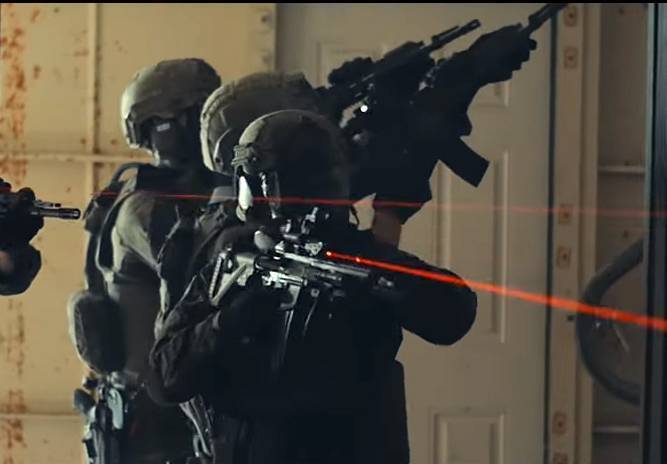
The ARW was formed by a government order on March 16, 1980.
State security could be put at risk due to a decline in the number of soldiers applying to join the elite special forces Army Ranger Wing (ARW).
This could jeopardise a government commitment to significantly bolster ARW numbers to counter threats from international terrorists, powerful drug cartels, and potential assassinations of visiting VIPs.
The issue has been highlighted by an unidentified ARW officer in an article written by him for magazine, which is published by the Representative Association for Commissioned Officers (Raco).
The officer, who has recently returned home after a tour of Mali with the ARW, said there had been “a downward trend” in personnel presenting for 'Module 1, which is the physically and mentally draining selection course for entry into the elite force.
The pass rate for the Module 1 selection process is only between 10% and 15%, so having fewer personnel applying to take it will lead to problems filling current vacancies and make it more difficult for the planned expansion of the ARW.
The officer said that the current ARW recruitment difficulties were possibly associated with the broader retention crisis within the Defence Forces.
In the 2015 White Paper on Defence, the government committed to increasing the ARW strength by 50% from its current standing, which is believed to be around 100 personnel.
The ARW increase is supposed to happen by 2025 at the latest. Only 20 out of 95 projects identified in the white paper have so far been completed.
It is understood the government commitment to increase the ARW strength also involved the recruitment of some technicians and support staff.
The ARW officer also said the post-2013 contracts presented a challenge to ARW recruitment.
Officers have to retire on age grounds earlier than most other workers in the public service and Raco said they are therefore not entitled to a decent pension.
Raco has carried out a survey of its members, 79% of whom said they did not view a long-term career in the Defence Forces as being viable due to this.
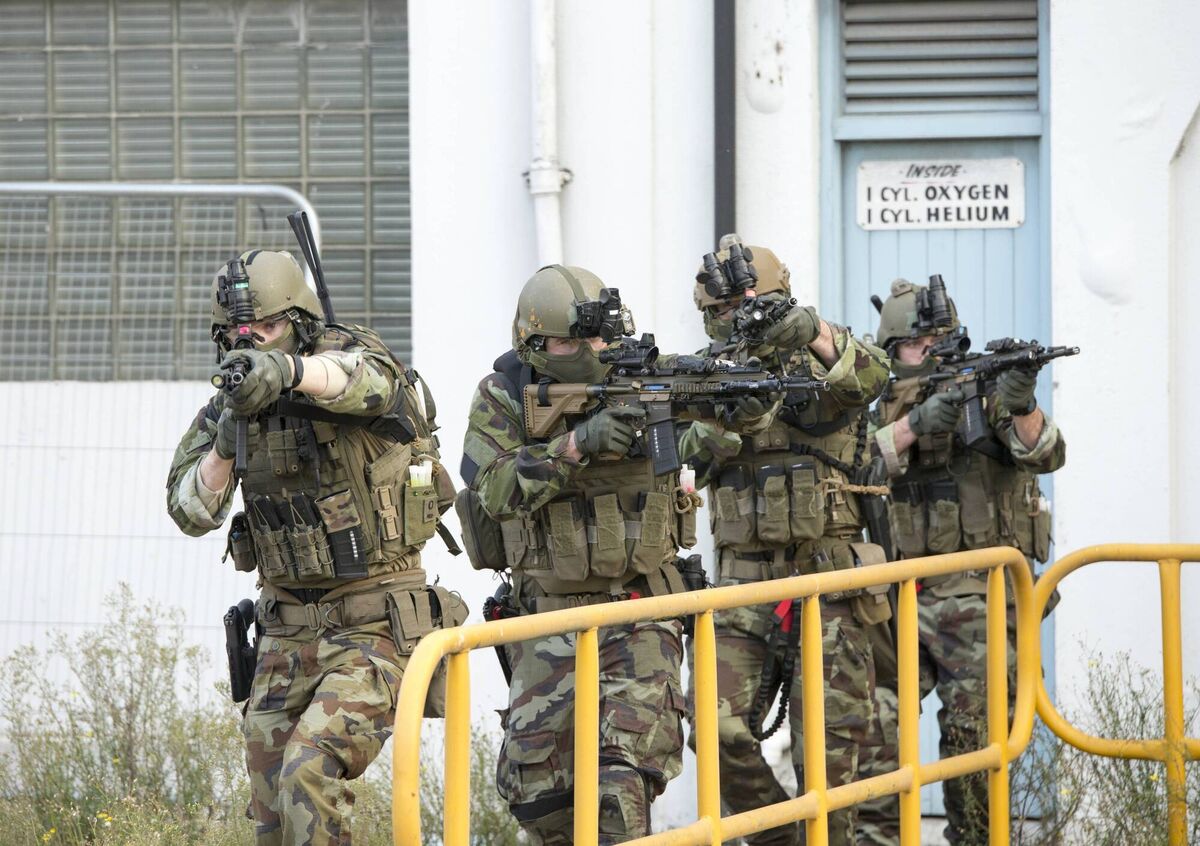
Serving and former members of the ARW are also owed a significant amount of money by the Department of Defence.
In October 2018, PDForra, which represents enlisted personnel in the Defence Forces, finally won an arbitration case, which recommended increased allowances for ARW members.
The arbitrator recommended the increased allowances should be backdated to 2006.
However, the Department of Defence would only backdate them to October 1, 2018.
PDForra general secretary Gerard Guinan told the that some ARW personnel are still owed between €30,000 and €40,000.
The ARW was formed by a government order on March 16, 1980.
While ARW personnel live a shadowy existence, it is known that the elite troops are constantly on one-hour standby 24/7 to respond to a serious incident and have to be capable of deploying overseas with five days' notice.
Those who join up have to live within a one-hour drive of their headquarters at The Curragh.
They are primarily tasked with providing security for visiting VIPs, carrying out counter-terrorism measures and security assessments.
In addition, they are trained to deal with hijackings and hostage-taking and must be able to attack targets via land, sea, and airborne operations.
Some of their operations have remained secret. However, they have publicised the fact they have served in overseas peacekeeping roles.


CONNECT WITH US TODAY



Be the first to know the latest news and updates