Brexit: Government pledges €100m to agri-food sector and supports for fishing industry
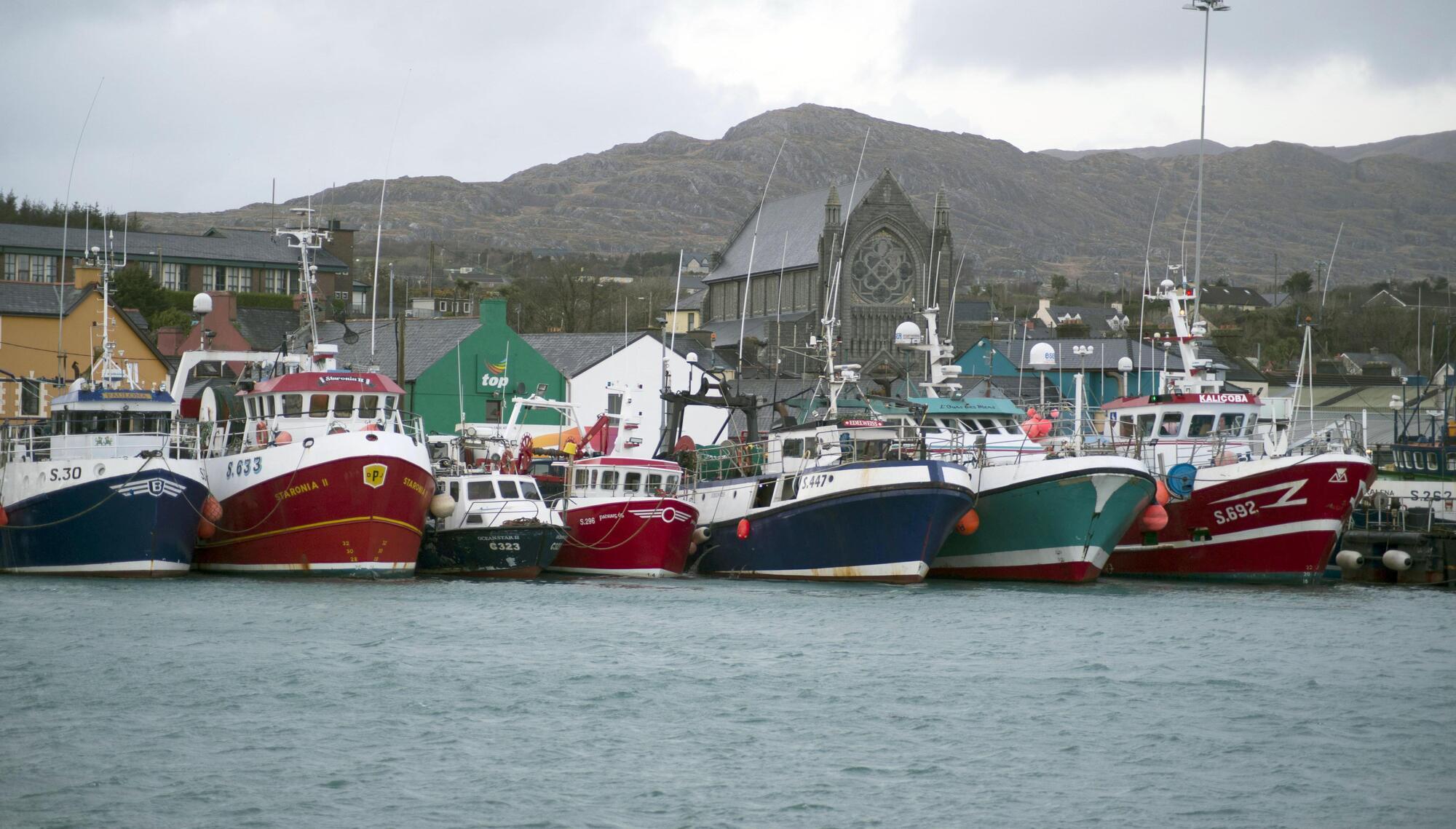
In fisheries, Cabinet has agreed a host of supports, including a fleet tie-up scheme from the second quarter of 2021 as a short-term measure, with a permanent fleet decommissioning scheme to commence later in 2021. Picture: Don MacMonagle
The Government has signed off on the EU-UK trade deal as it pledged up to €100 million to assist the agri-food sector and a range of supports for the fishing industry.
Cabinet was told that the deal, agreed on Christmas Eve, had achieved Ireland's three key goals – avoiding a hard border, tariff-free trade with the UK and the maintenance of the Common Travel Area with the UK.
However, significant changes will come into effect from January 1, which will most acutely impact the fisheries and agri-food sectors.
In response, Tánaiste Leo Varadkar and Agriculture Minister Charlie McConalogue have brought forward a €100m capital investment scheme.
The scheme, which will last until 2025, will be run through Enterprise Ireland and is targeted at businesses which process or market meat and dairy products.
The objective is to help primary meat and dairy processing companies implement new products or market diversification strategies.
Other measures, such as exceptional aid for beef farmers, may be required.
In fisheries, Cabinet has agreed a host of supports, including a fleet tie-up scheme from the second quarter of 2021 as a short-term measure, with a permanent fleet decommissioning scheme to commence later in 2021.
Support schemes are also proposed to support the economic diversification of coastal communities. This could be funded from the €5 billion EU Brexit Adjustment Reserve Fund.
There will be no changes in fishing quotas for the first quarter of 2021, but there will be a phased reduction until 2025 after that. Mackerel quota changes will have the biggest impact on the Irish fishing industry, ministers were told, with a 26.1% reduction in our western mackerel share.
Mr Varadkar said: “We know that Ireland’s agri-food sector is particularly exposed to the negative impact of Brexit. More than 173,000 people work in the agri-food industry here. Not only do we want to protect those existing jobs as we weather the Brexit storm, but we also want to grow them. This funding is to allow businesses to invest in new technology and new products, making the sector stronger and more resilient."
CONNECT WITH US TODAY



Be the first to know the latest news and updates