Watchdog criticises refusal to allow prisoner die in a hospice
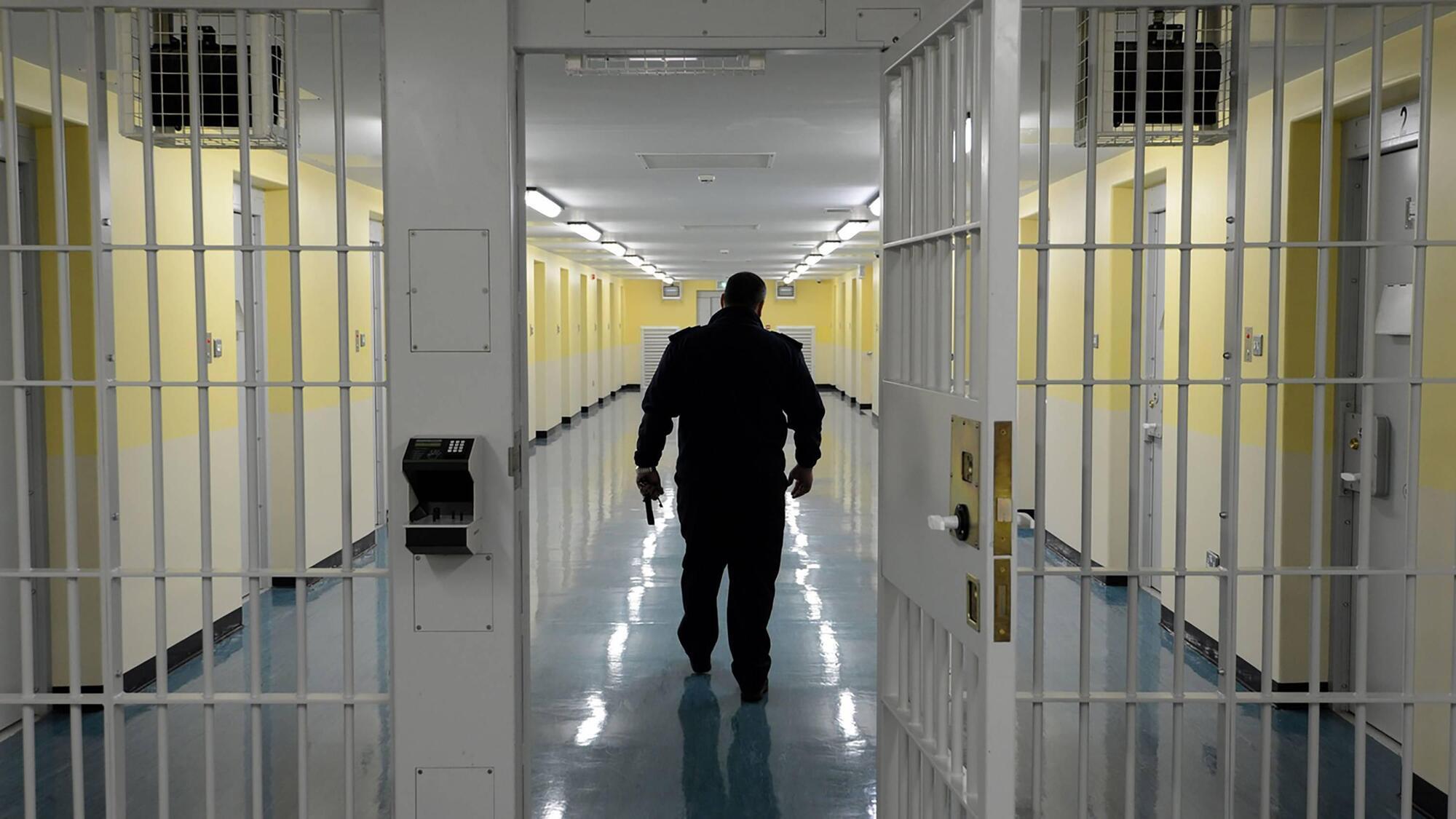
The prisoner was refused compassionate temporary release to allow him to die in a hospice.
A state watchdog has expressed concern at the rejection by the Irish Prison Service (IPS) of several of its recommendations following an investigation into the death of a terminally ill prisoner.
He was refused compassionate temporary release to allow him to die in a hospice.
The Inspector of Prisons, Patricia Gilheaney, said the decision to refuse compassionate release was contrary to the advice of medical staff and was also "at odds" with the view of the prison's management and pastoral team, who believed the appropriate setting to provide end-of-life care was in a hospice.
"A prison cell cannot be equated to a hospital or hospice setting," said Ms Gilheaney, in a report into the death of a 56-year-old prisoner — identified only as Mr O — at the Midlands Prison in Portlaoise on October 30, 2018.
It is the second report published this year by the Inspector of Prisons that highlighted how a terminally ill prisoner had died in their cell at the Midlands Prison, when a hospice setting had been recommended by medical staff.
Mr O, who had been serving a 12-year sentence, since November 2014, had been refused a request for compassionate temporary release (CTR) by the IPS Operations Directorate five days before his death, even though a hospice bed was available.
Ms Gilheaney pointed out that the prisoner was immobile, while the prison governor had offered measures to ensure he could not reoffend if granted release.
She also highlighted how the man had not posed any problem during 27 previous appointments and in-patient stays in hospital.
Although the man had a history of serious offending, gardaí had not objected to him being granted compassionate release.
The report observed that the end-of-life care provided to the man was commendable and he had been treated with compassion and respect by prison staff, even though their situation was challenging, as they did not have the equipment or personal-care materials to assist a dying prisoner.
The inspector said Mr O's death was the second case she had investigated in 2018 where a prisoner's next of kin had been taken aback to be invoiced for funeral expenses.
Mr O's sister said she had not realised she had been designated her brother's next of kin, as they had limited contact, but assumed it was because she had agreed to be the point of contact for the prison when he was dying.
However, the IPS rejected the inspector's recommendation that it should clarify with a prisoner's next of kin, when their death was imminent, that they accepted the status and fully understood its implications.
The IPS said there is no legal definition in Irish law of 'next of kin' and no obligation on such a person to pay funeral expenses.
The IPS pointed out that it covered the full costs of Mr O's funeral, although it said such costs were generally paid by the person who arranges a funeral.
The IPS did not accept five out of 11 recommendations, including one in relation to 'Rule 57', which allows a prisoner to request a meeting with a representative of the justice minister.
Mr O had sought such a meeting four days before he died, in a letter in which he wrote: "I would like to be able to face death with as much dignity as possible."
However, the IPS said a civil servant assigned to each prison for Rule-57 requests was best placed to address any issues.
CONNECT WITH US TODAY



Be the first to know the latest news and updates